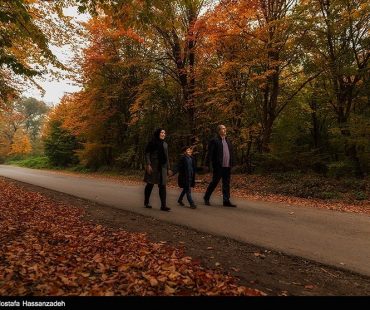
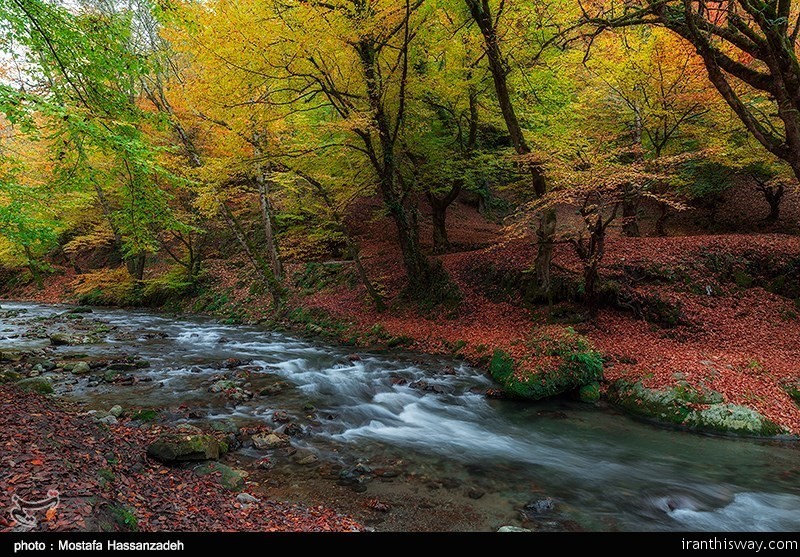
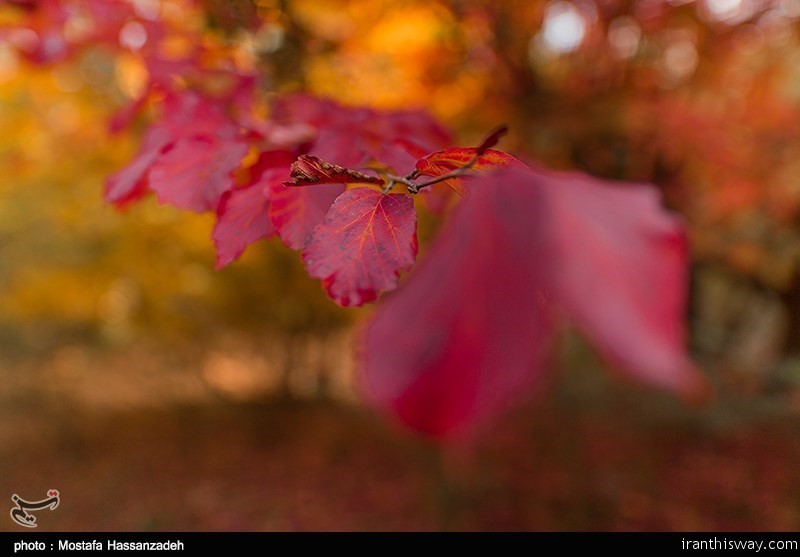
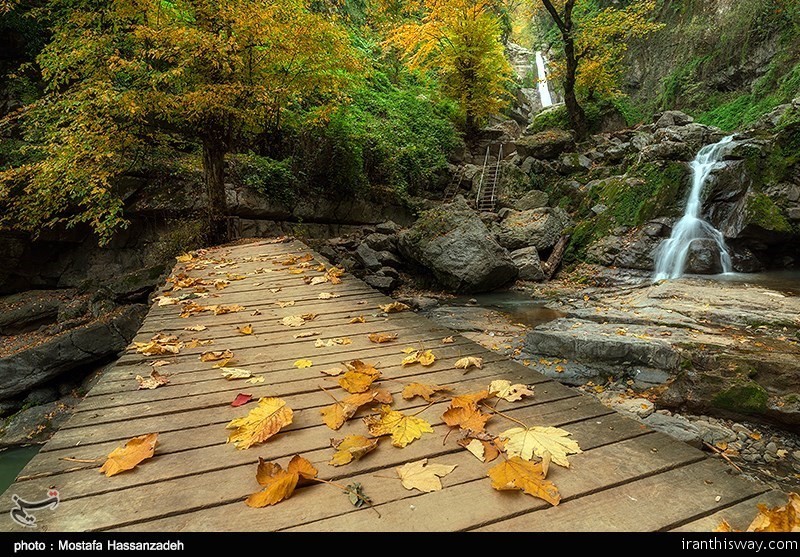
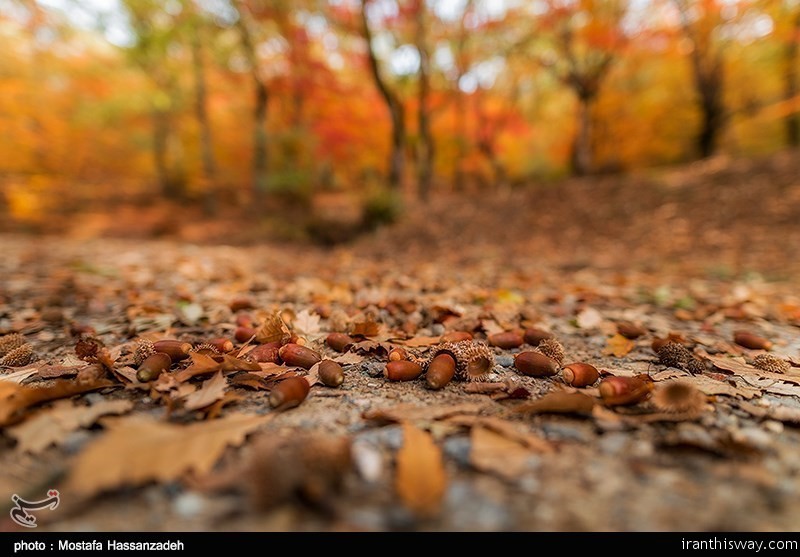
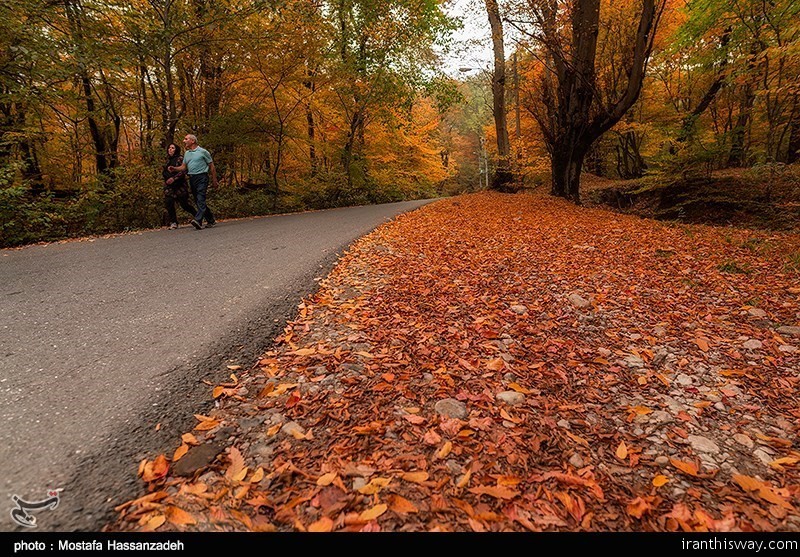
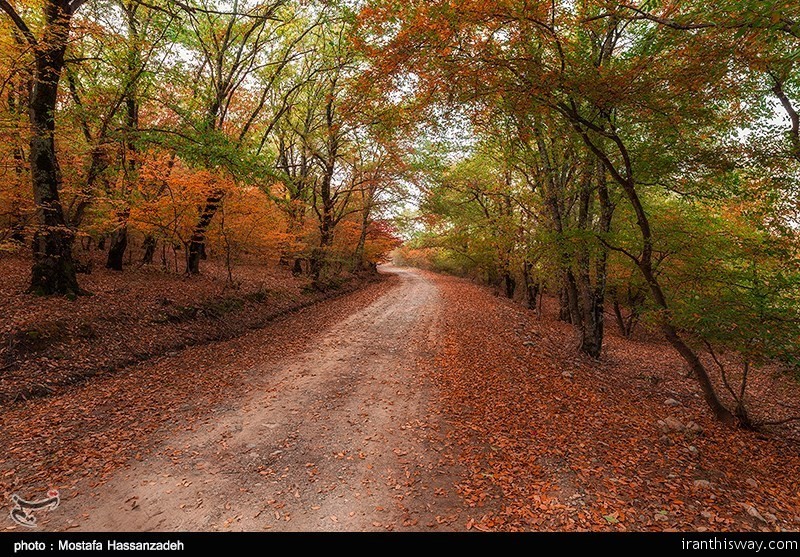
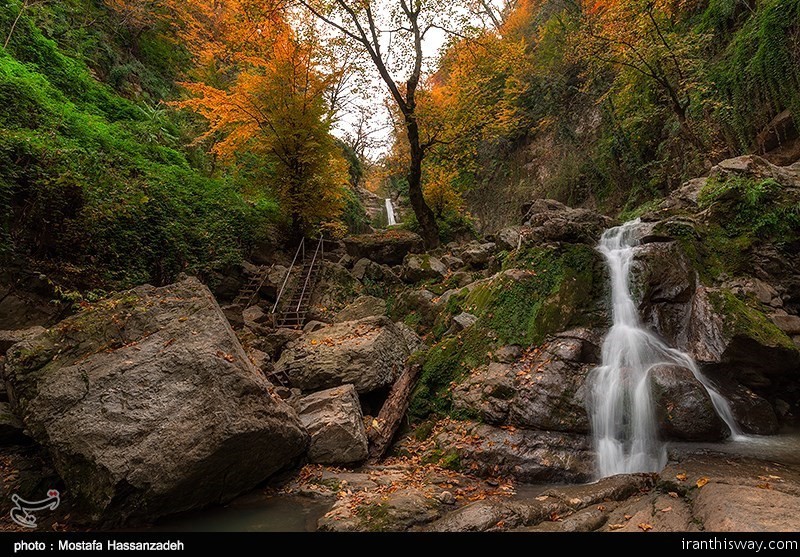
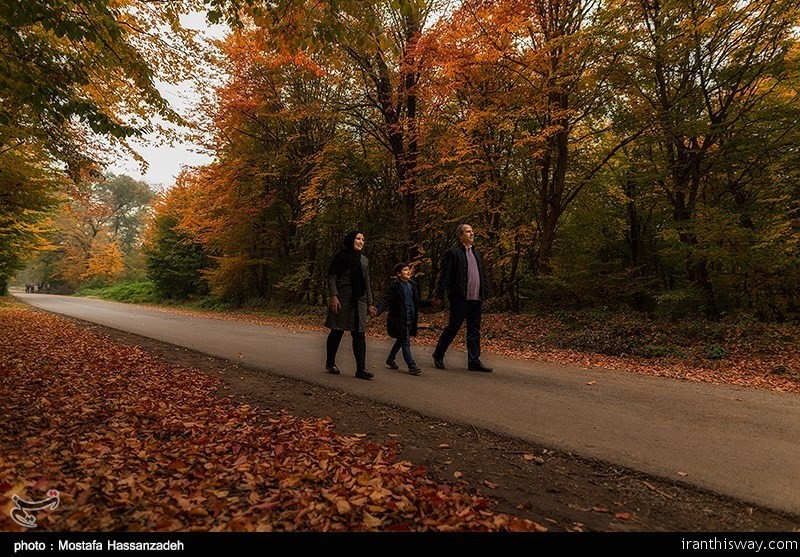
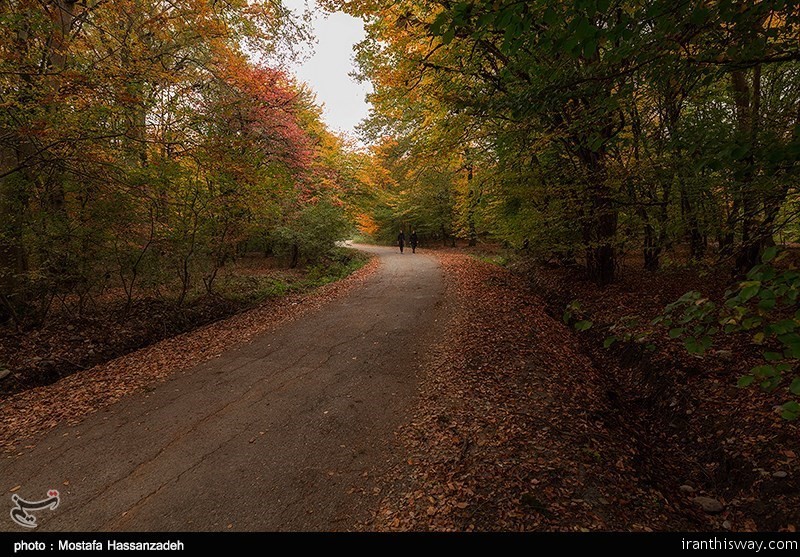
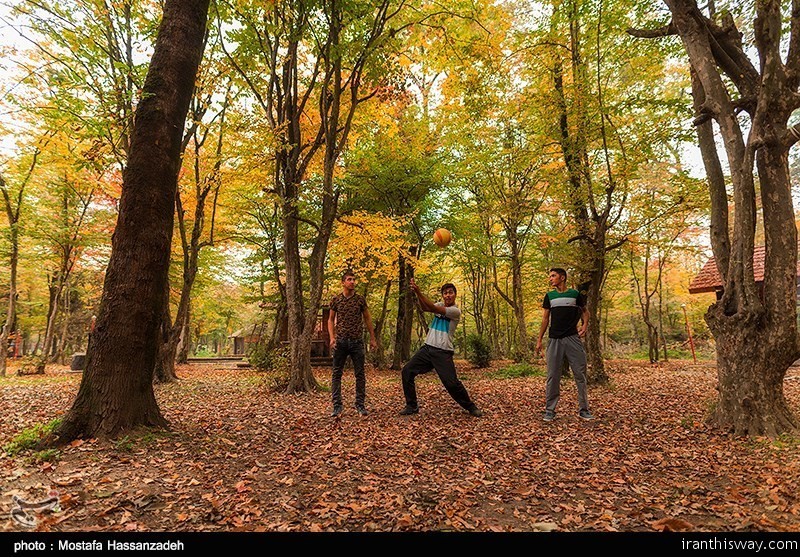
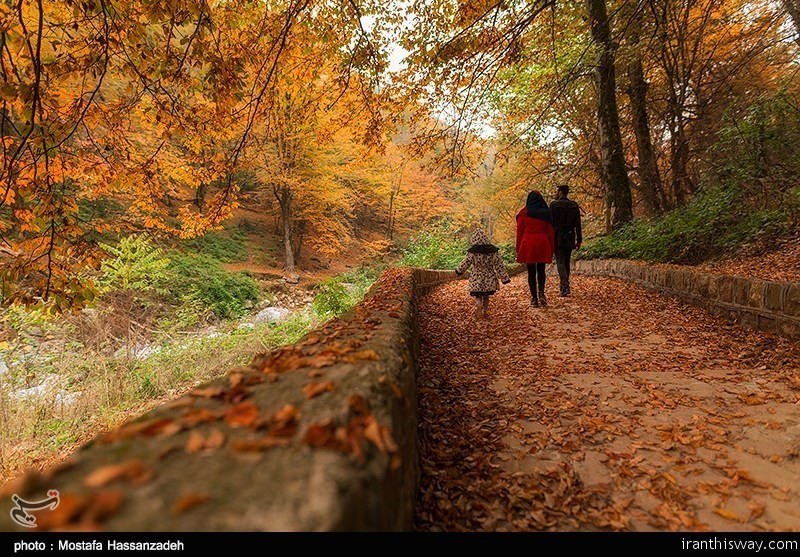
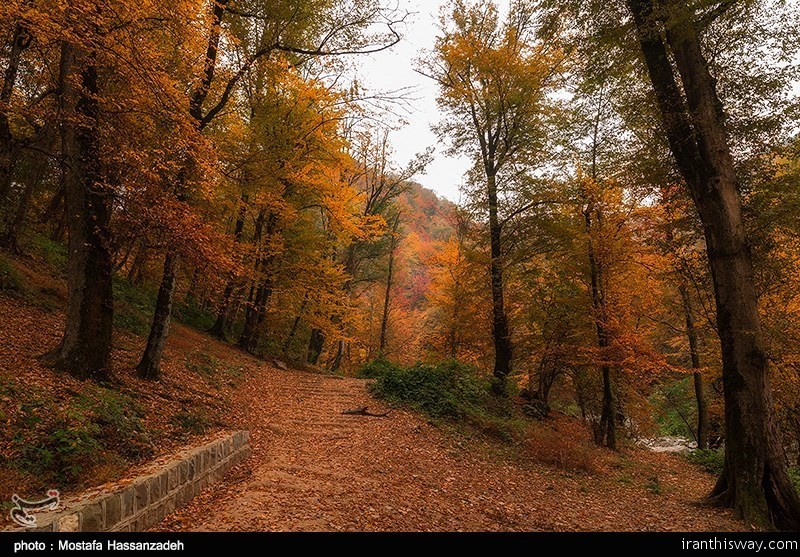
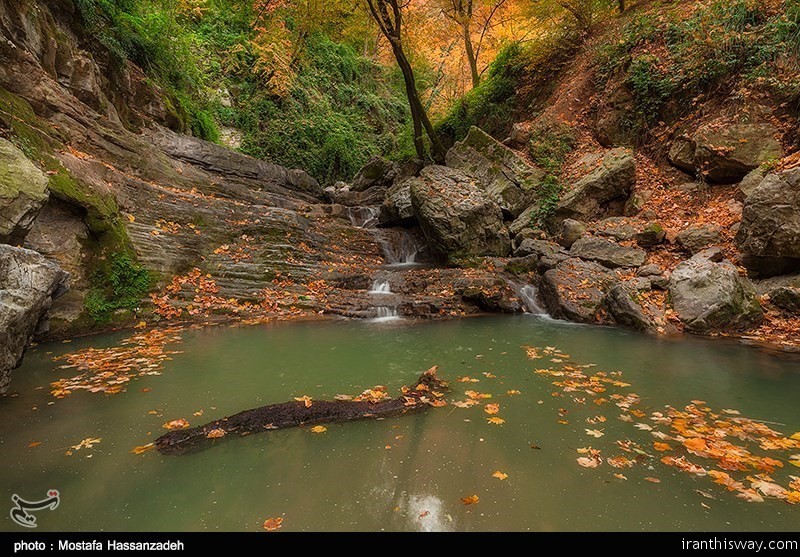
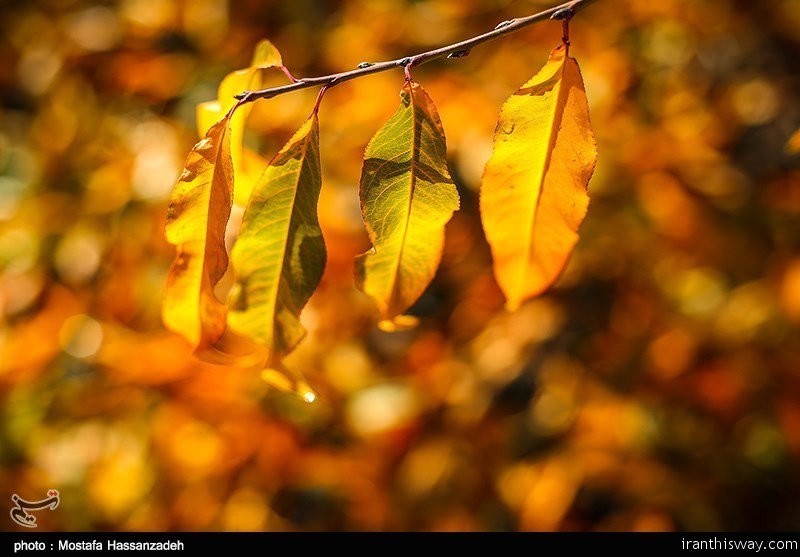
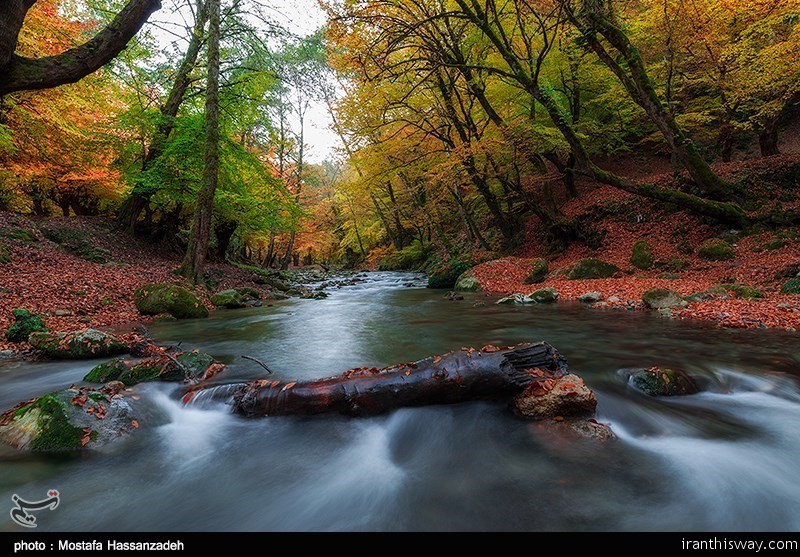
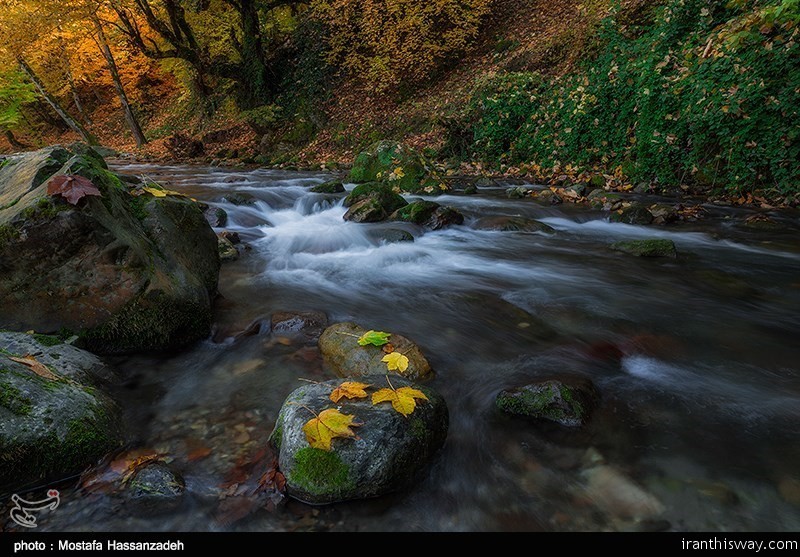
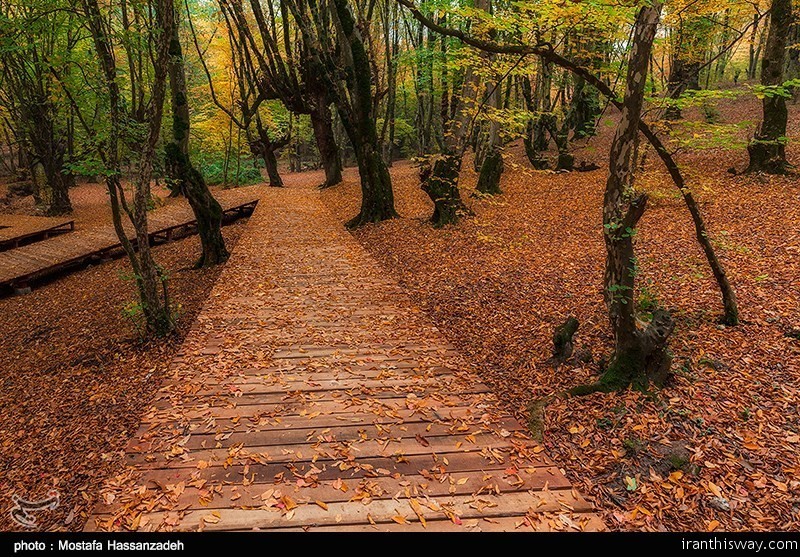
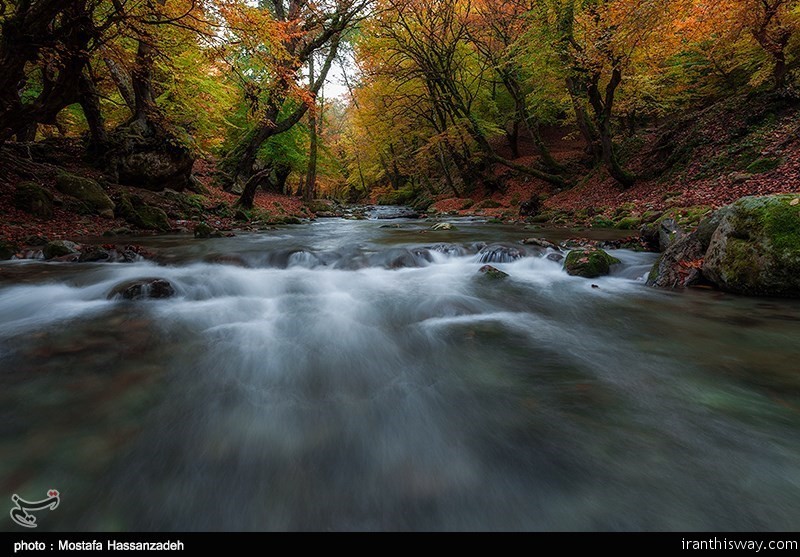
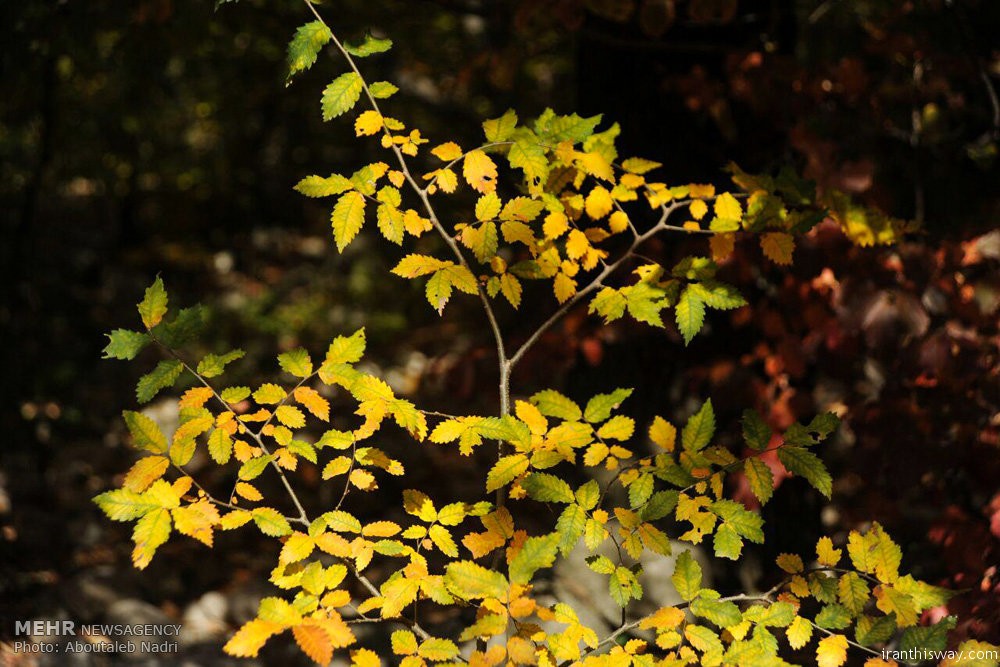
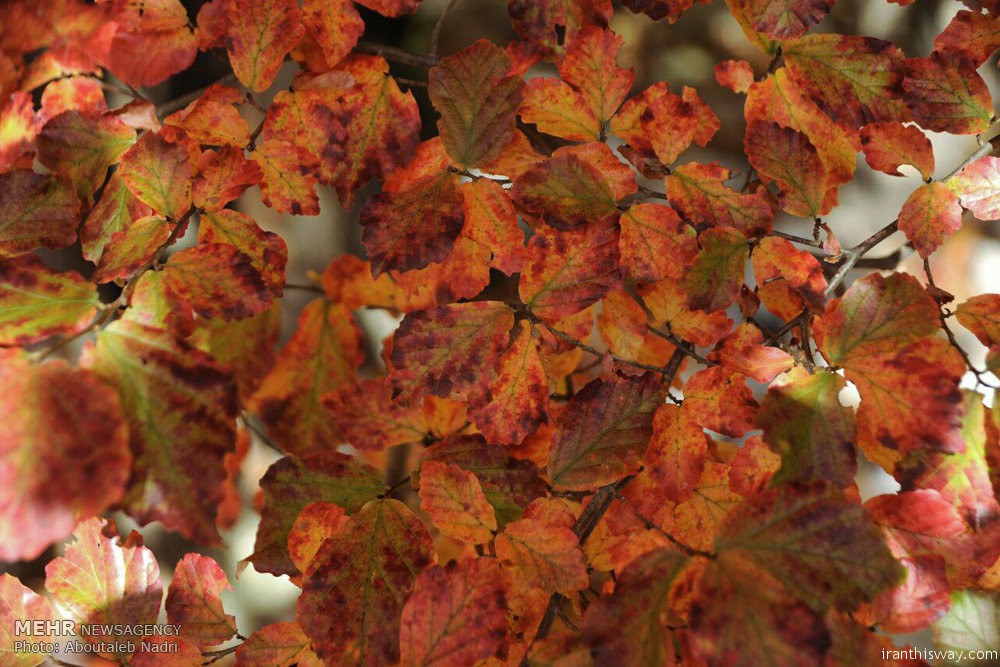
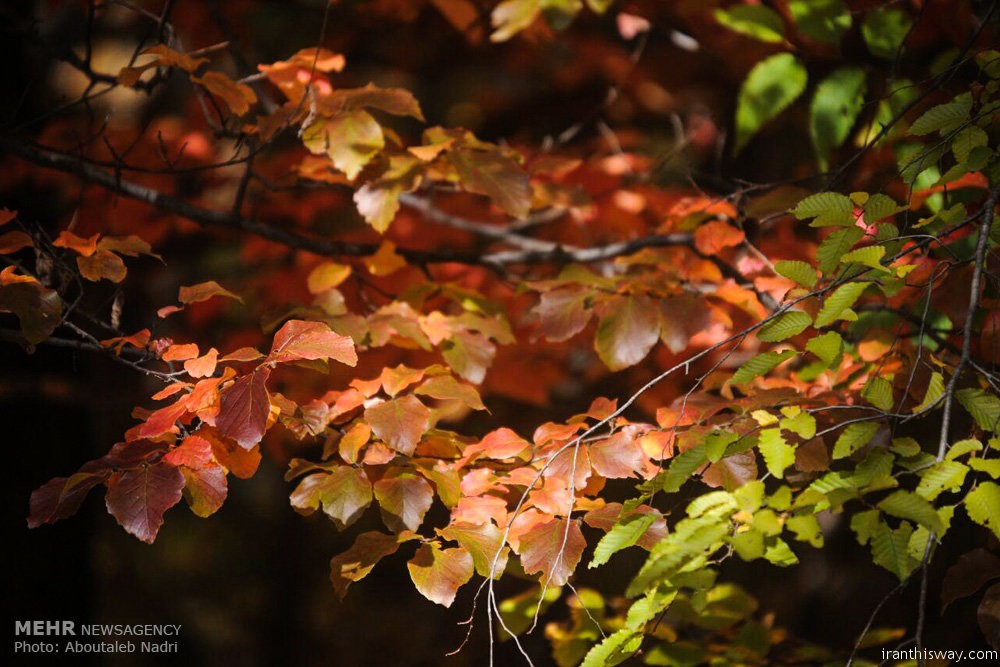
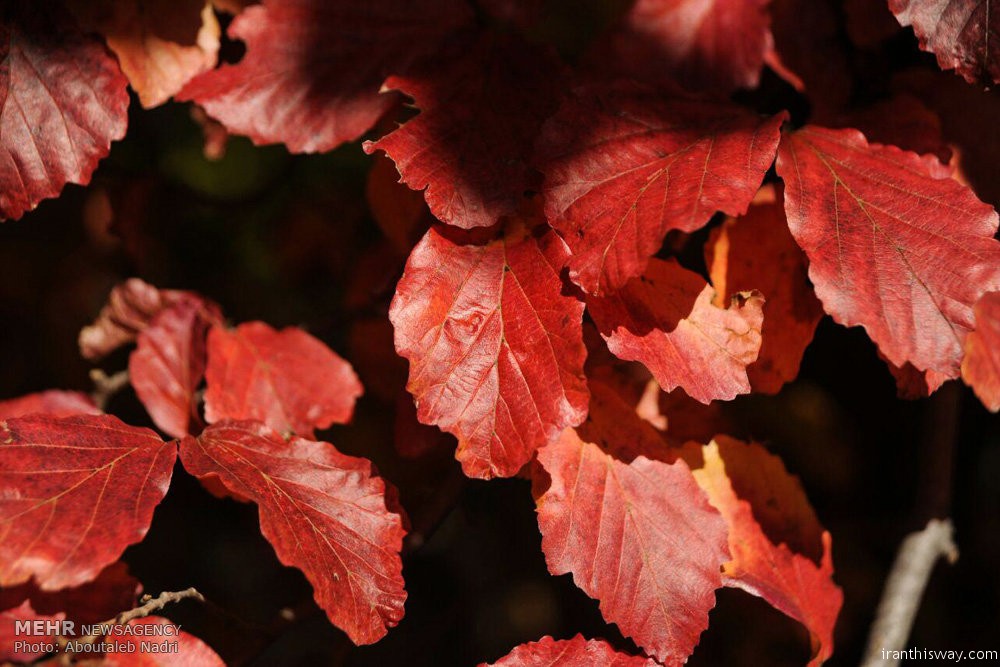
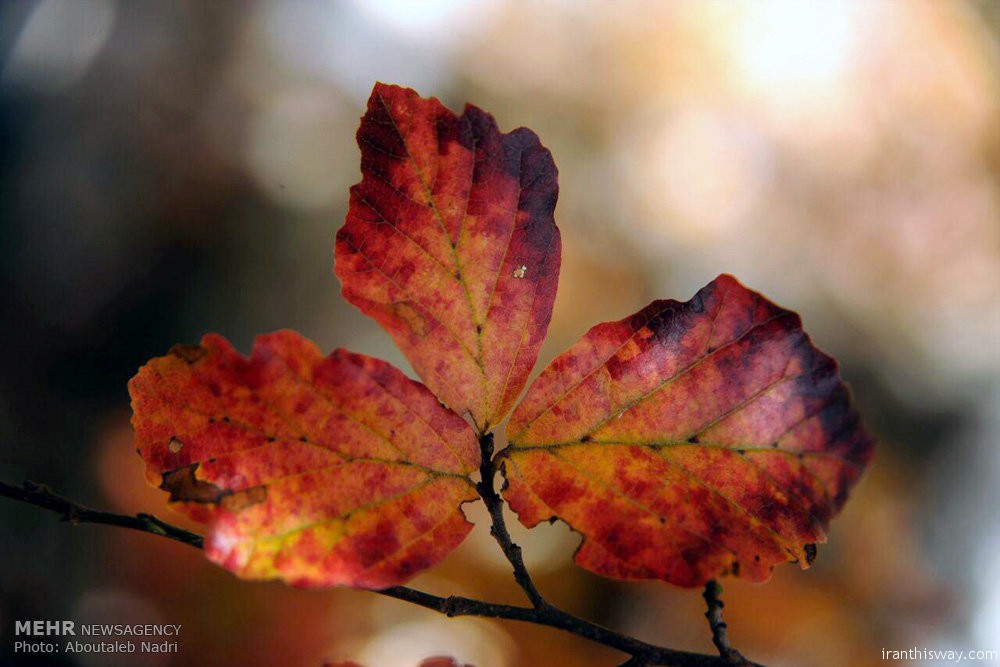
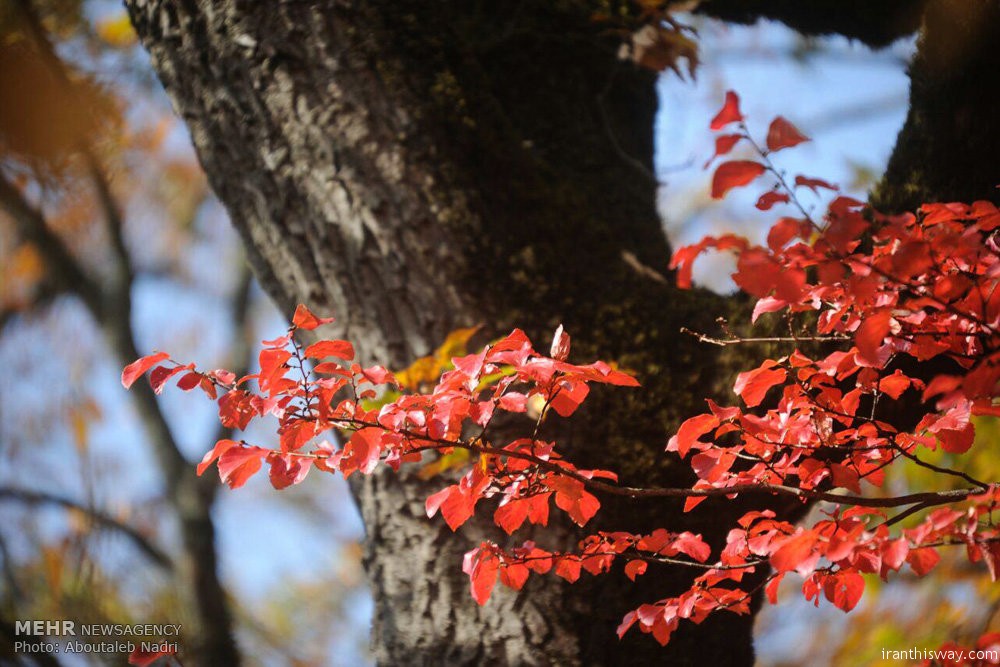
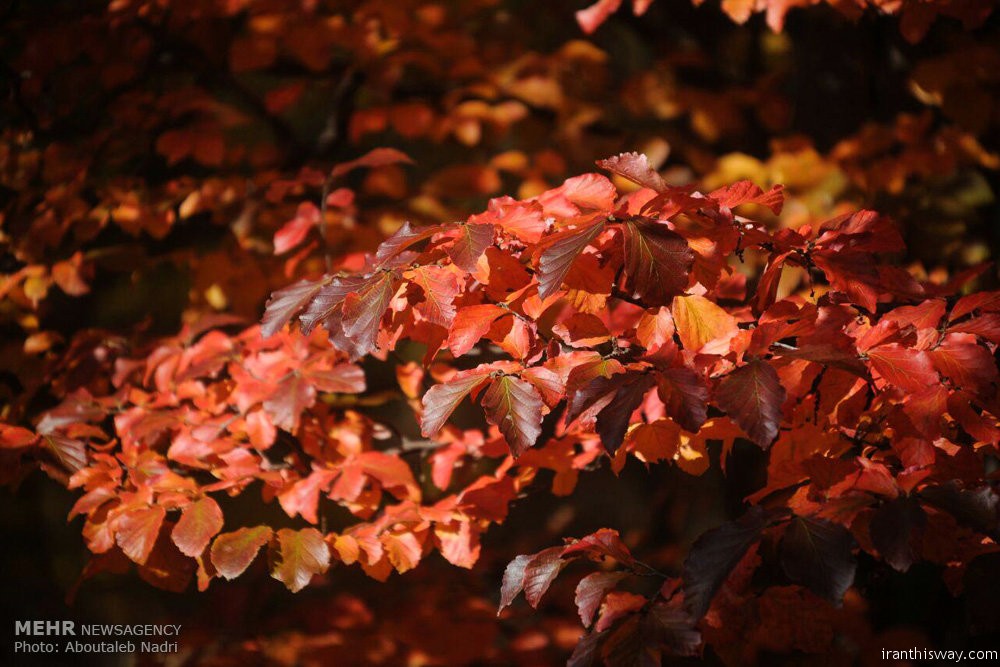
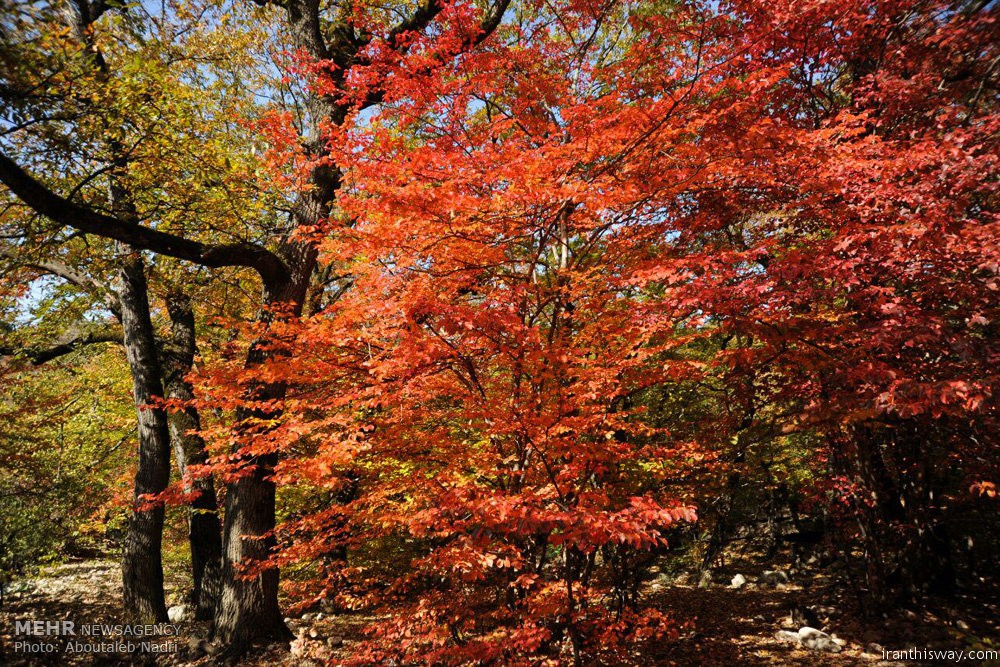
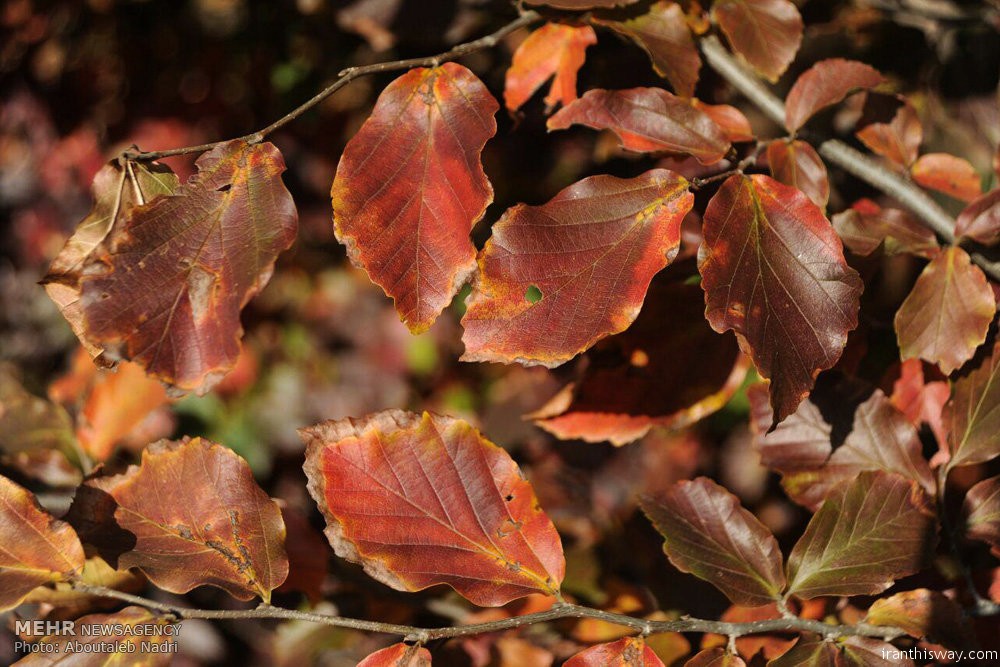
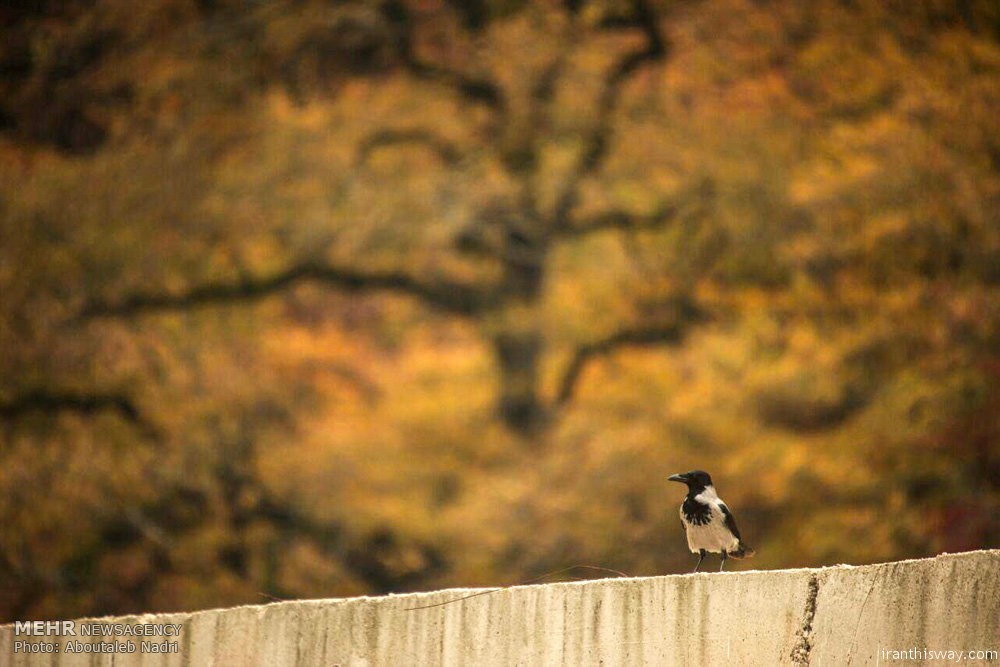
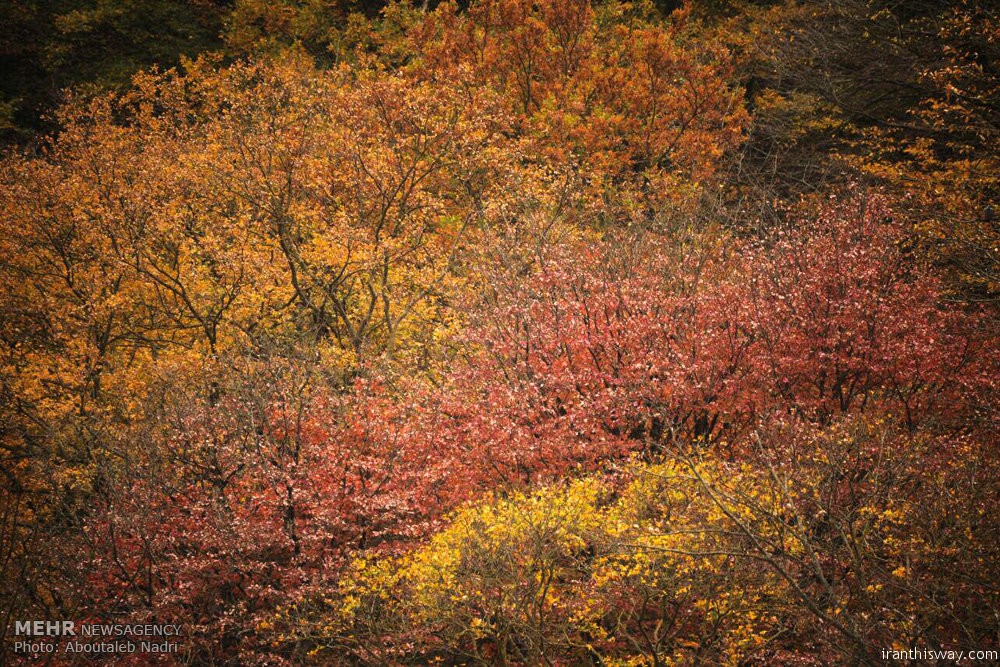
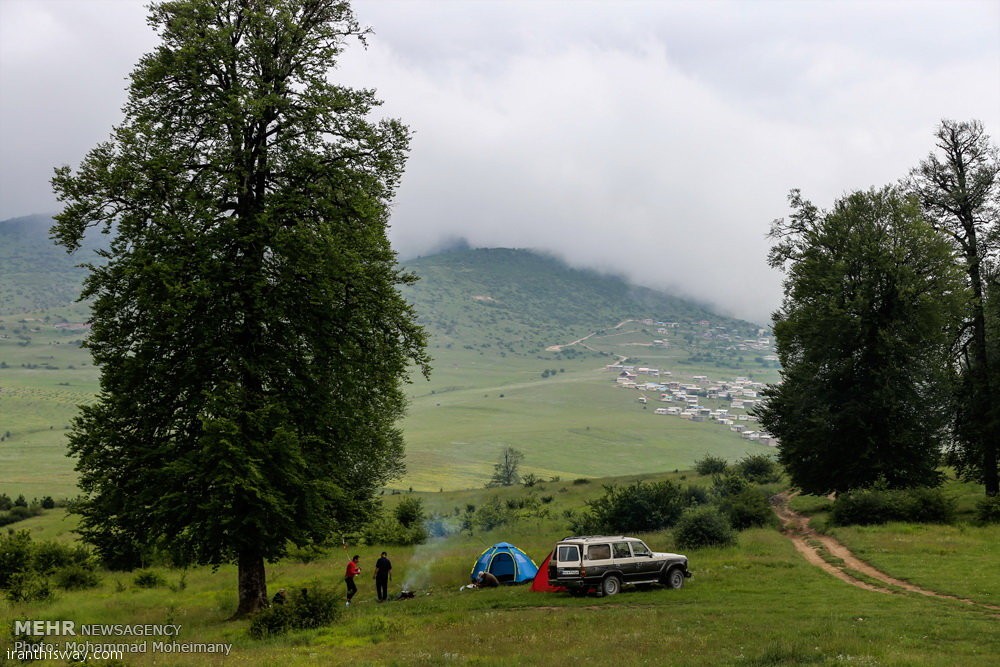
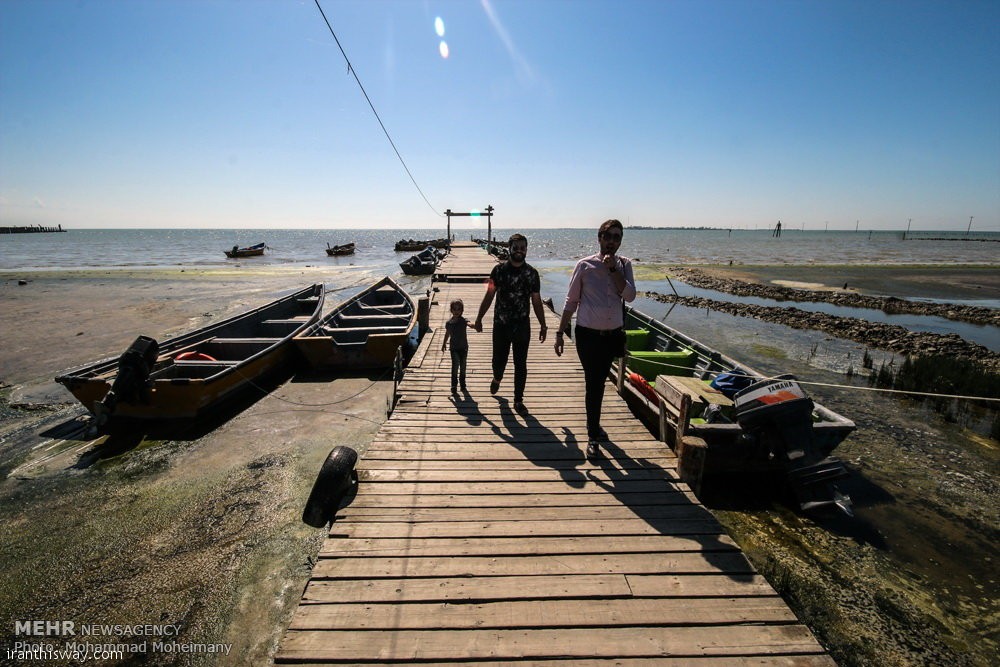
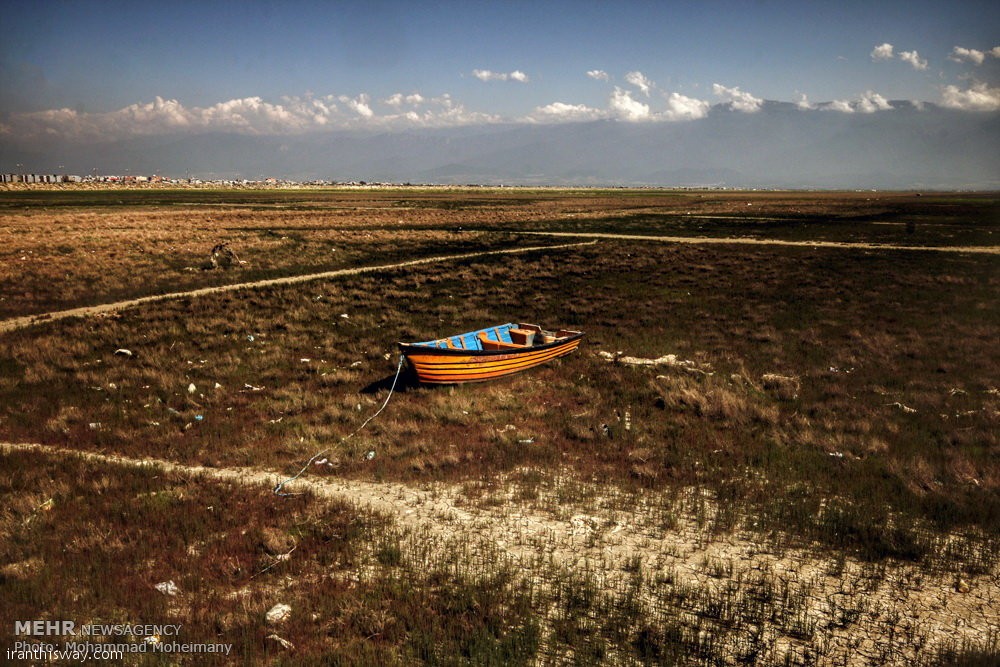
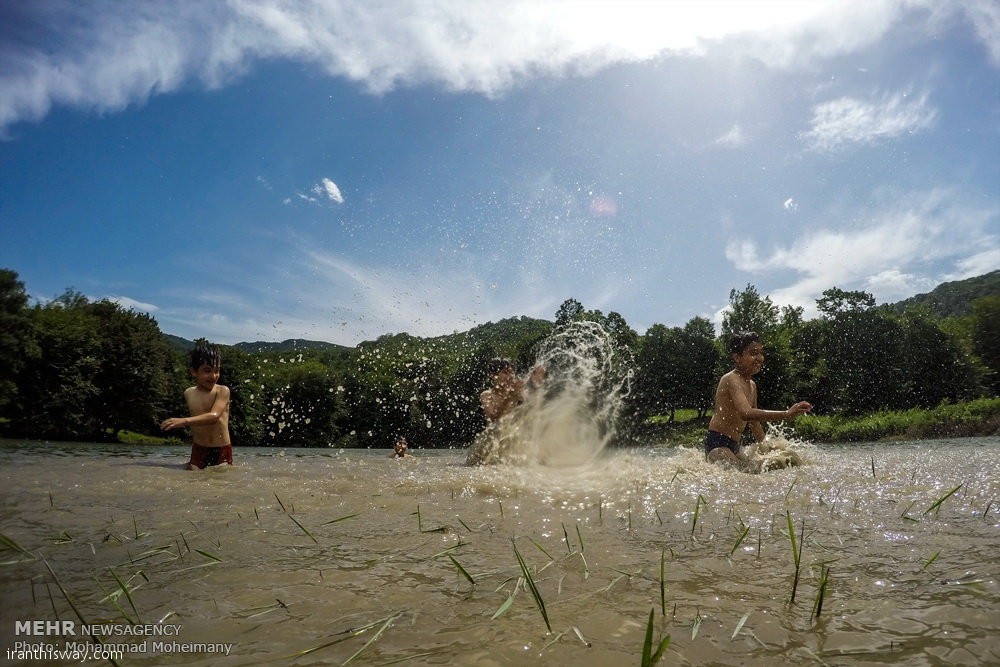
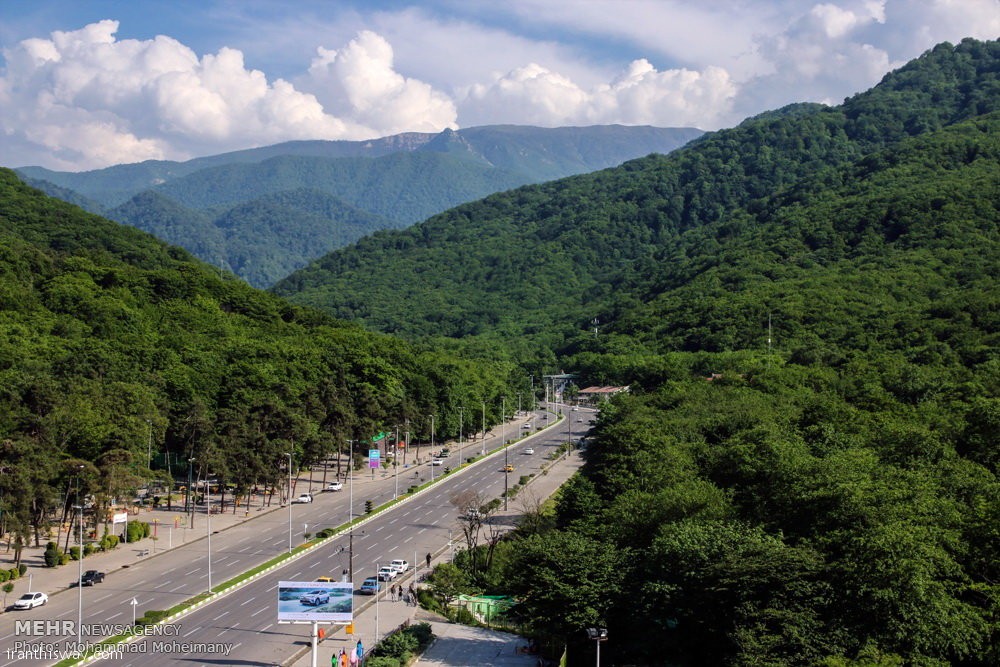
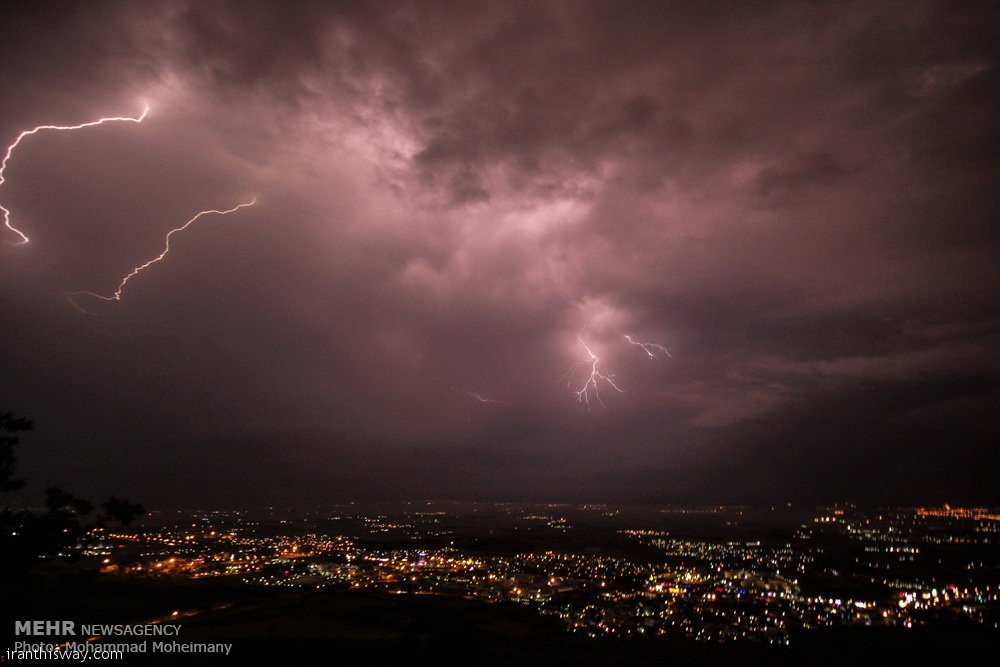
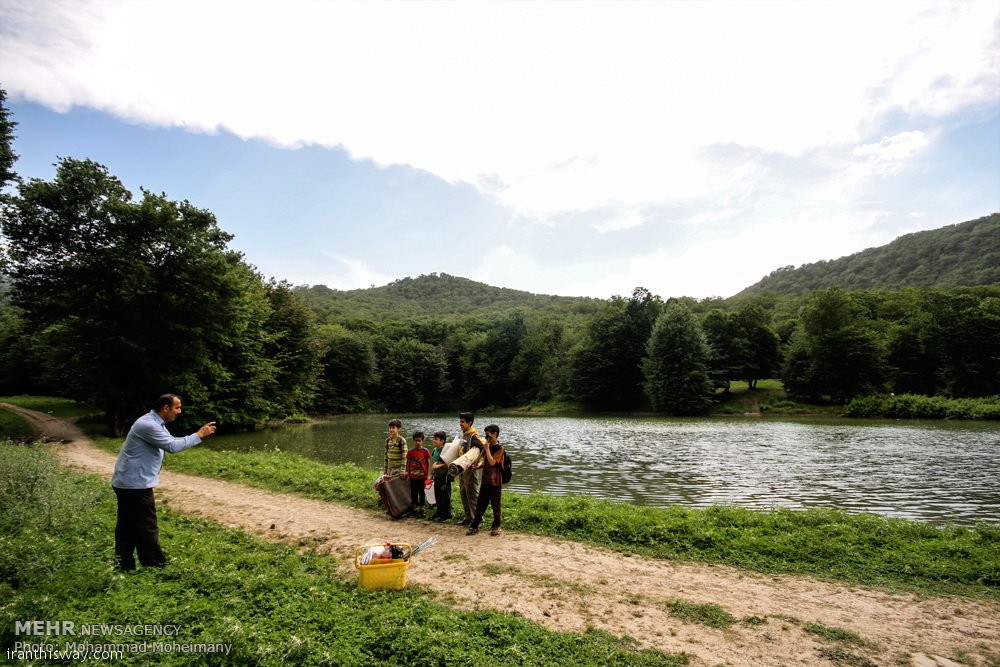
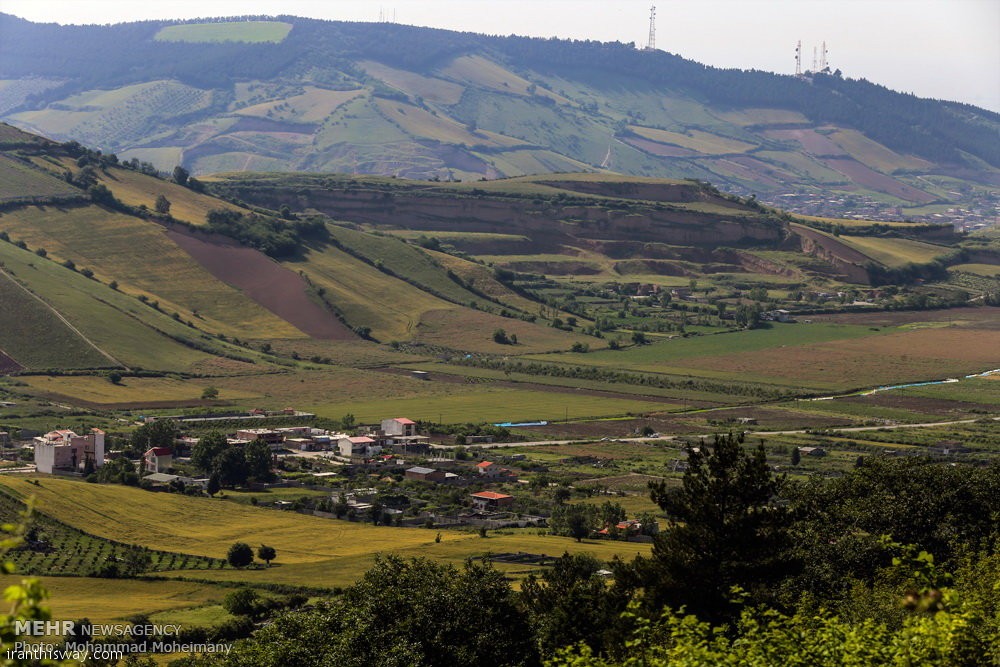
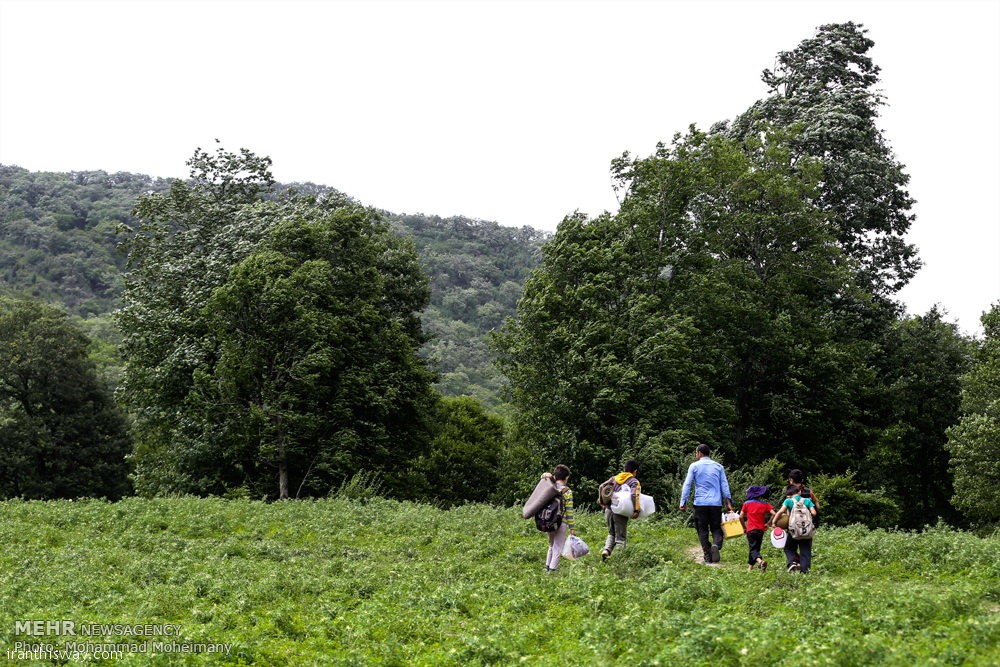
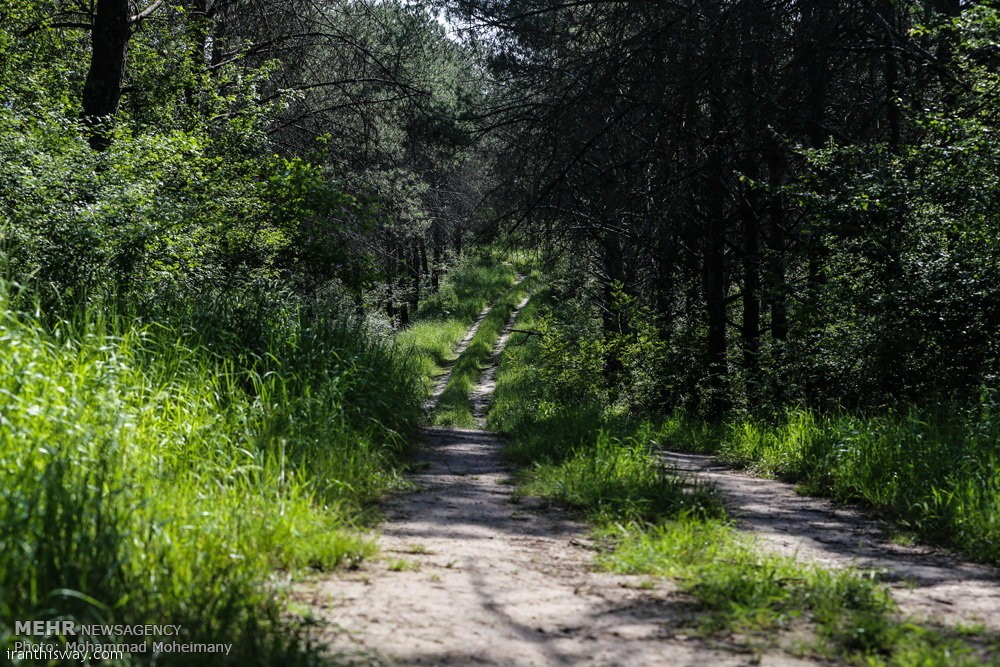
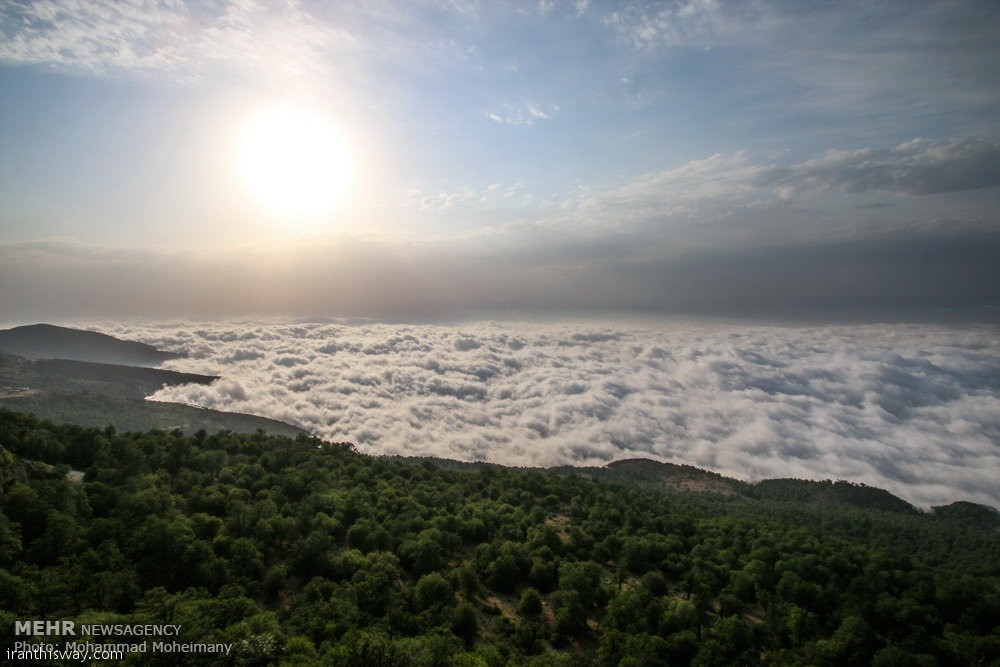
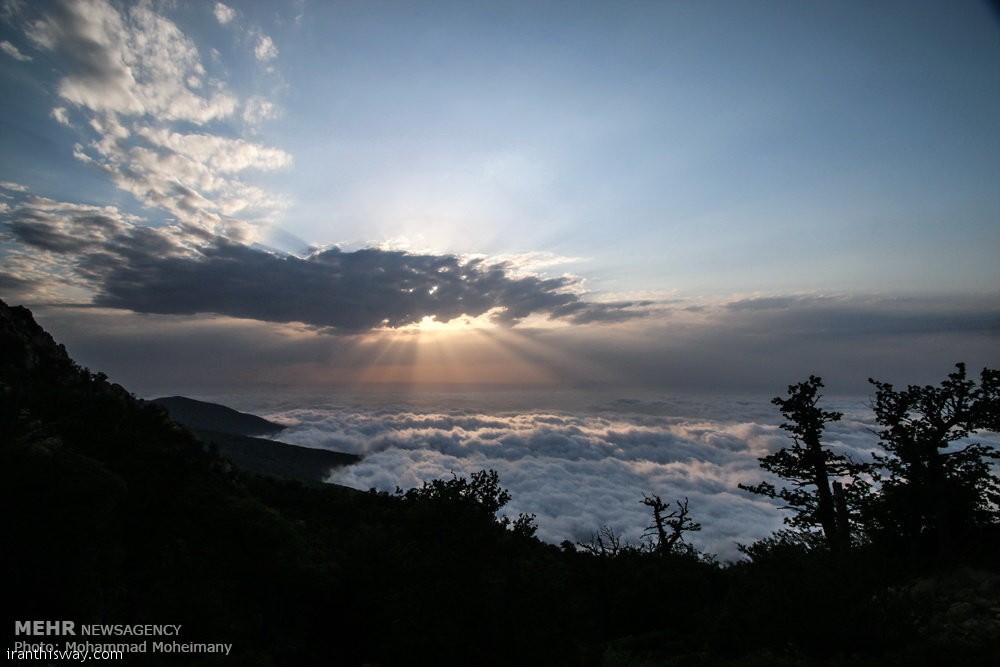
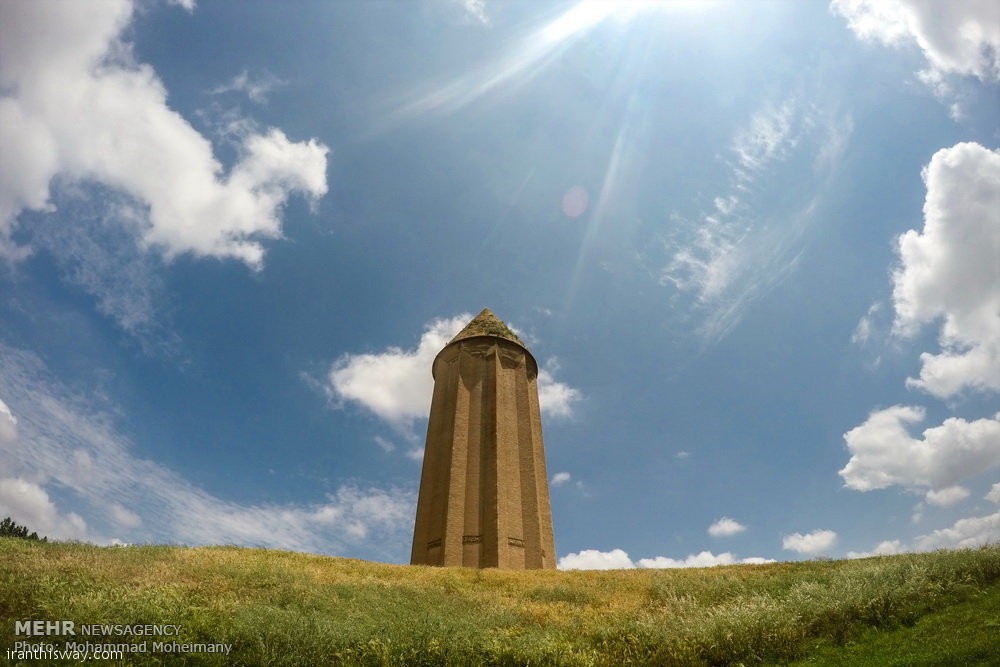
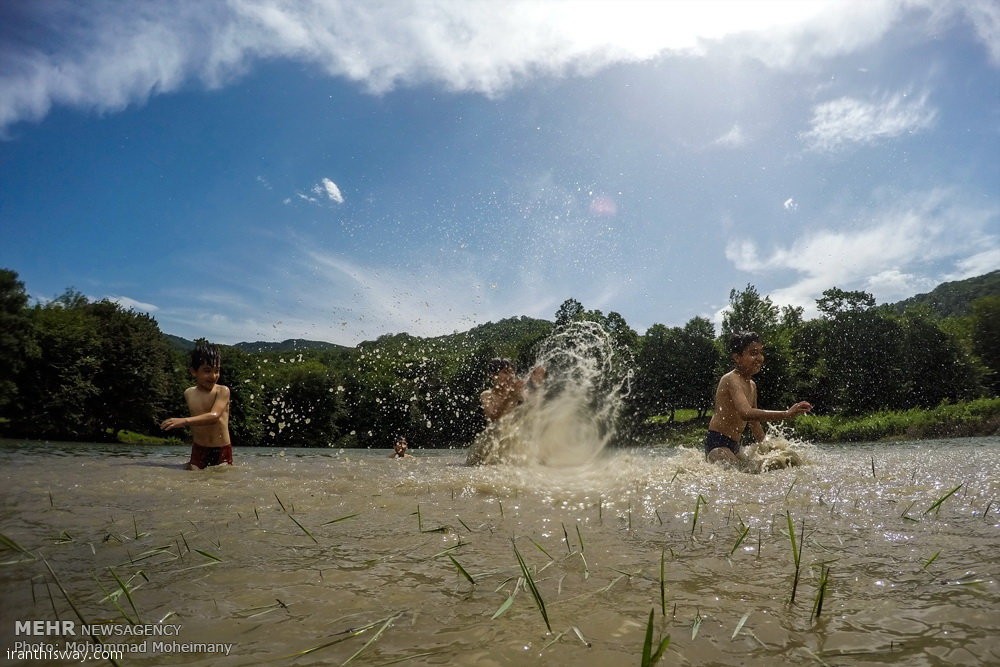
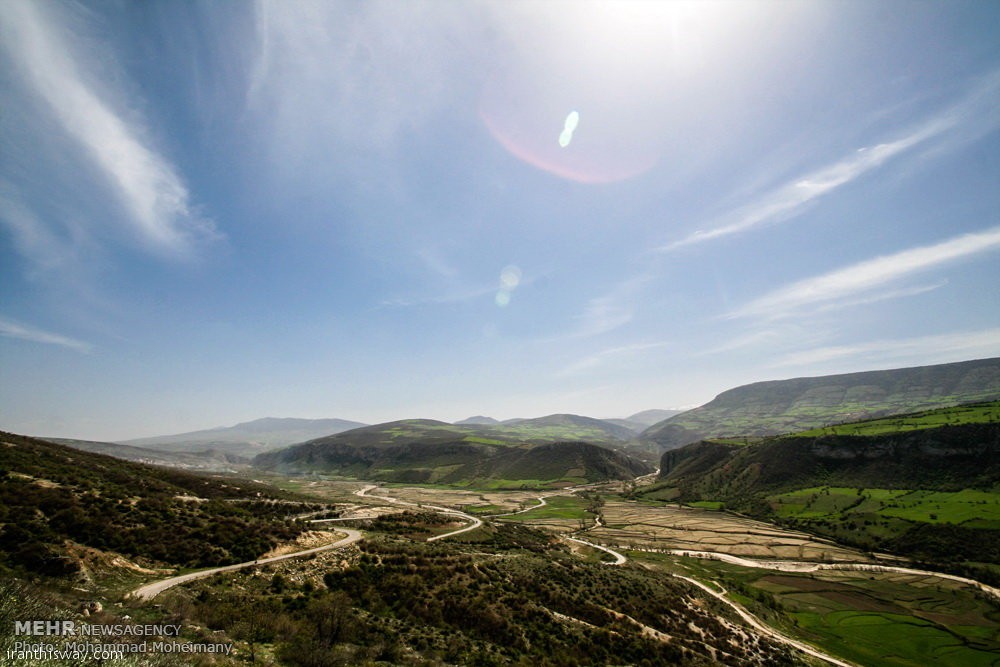
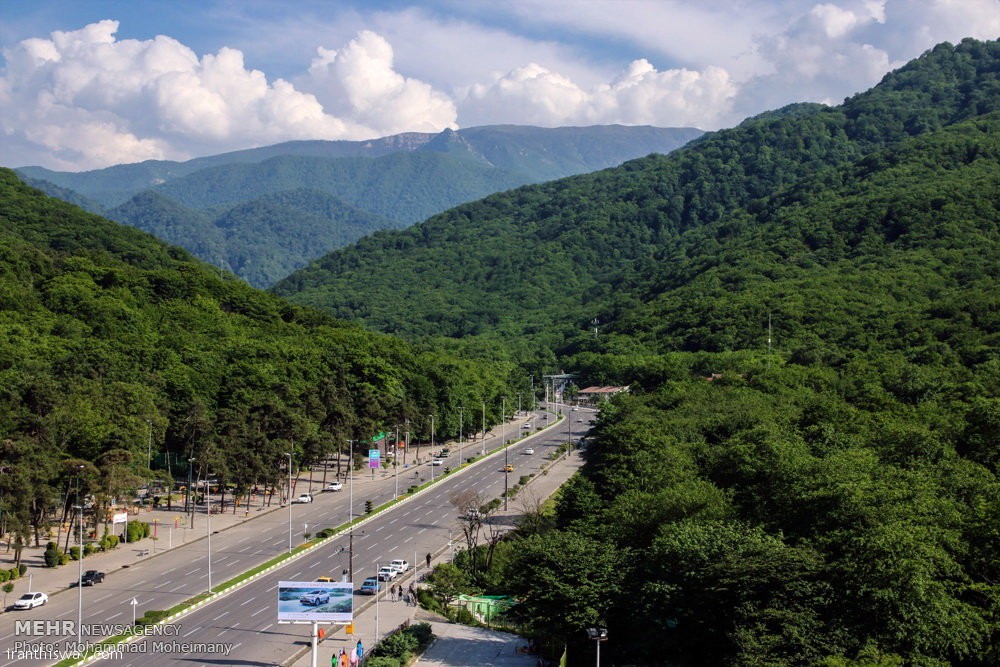
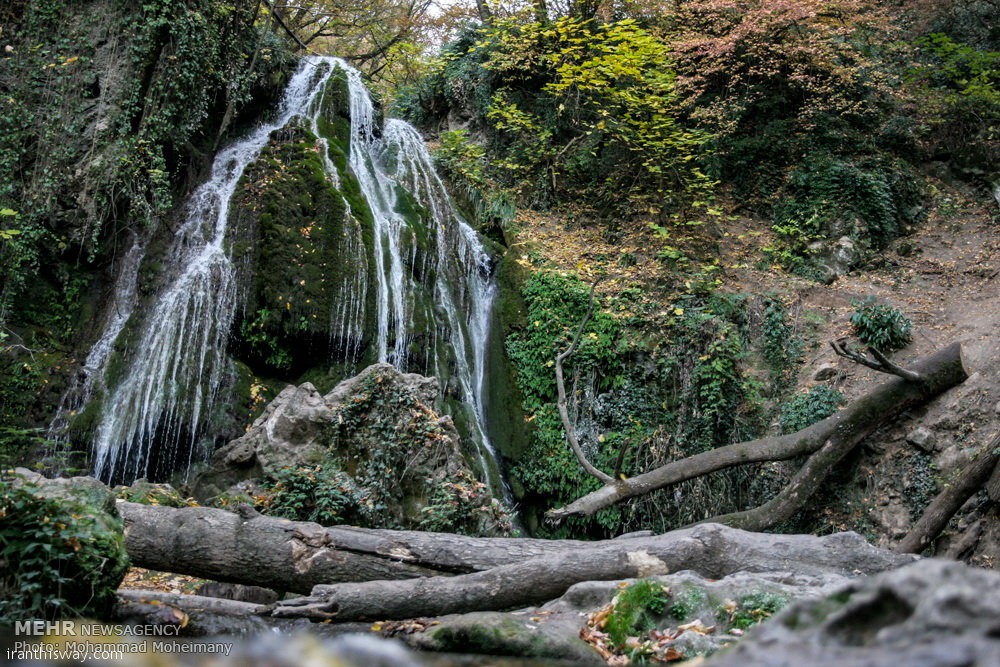
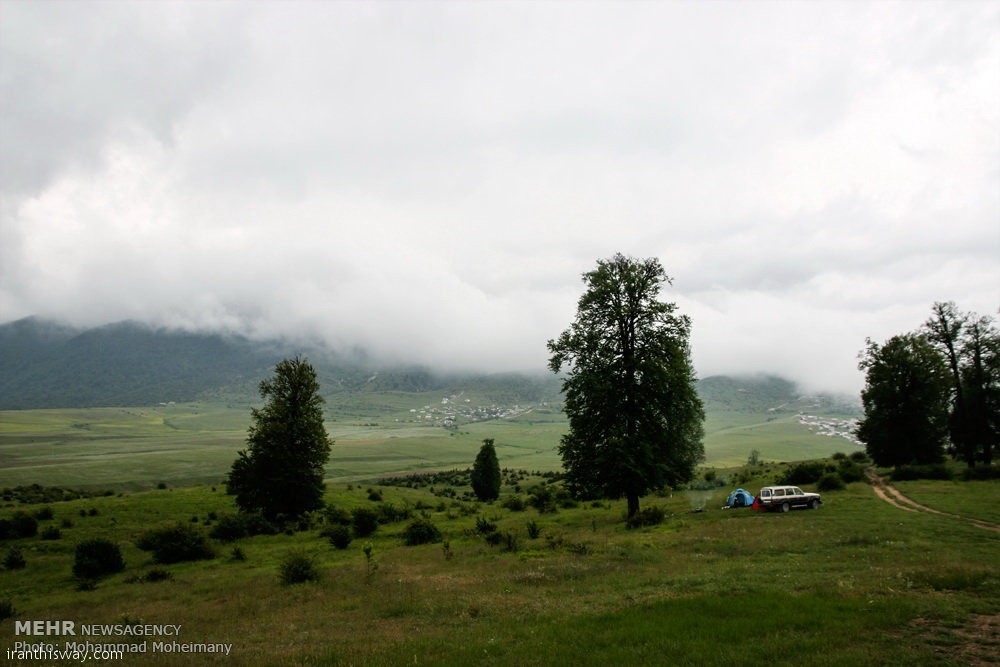
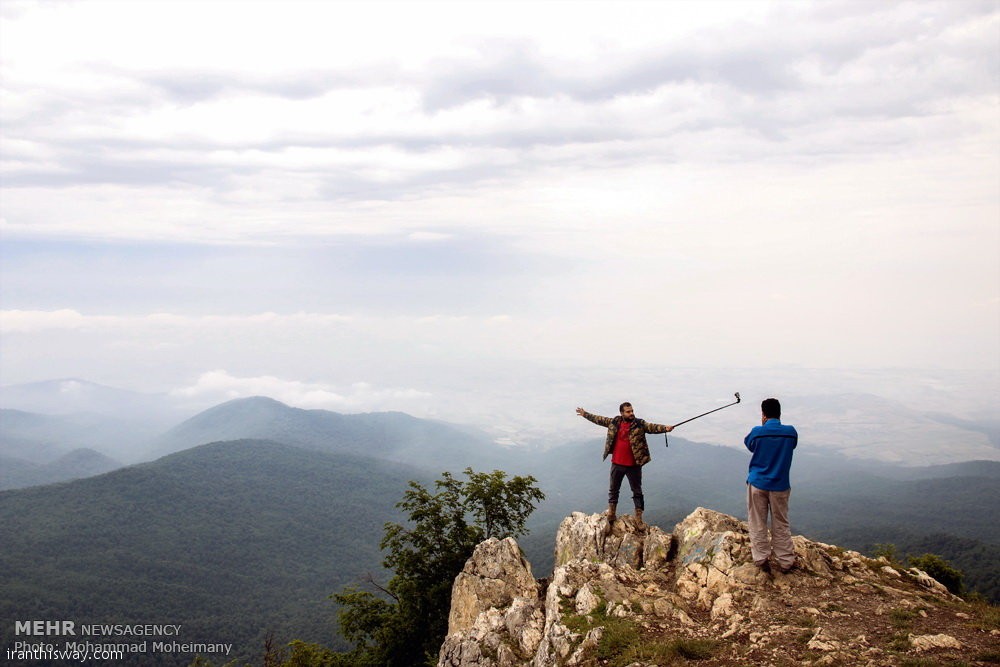
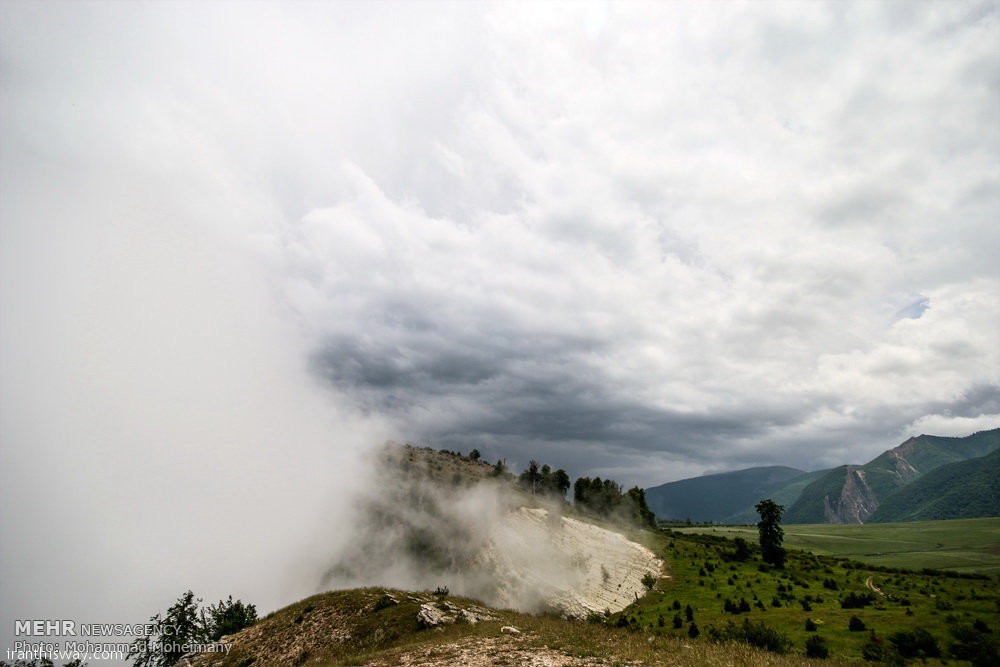
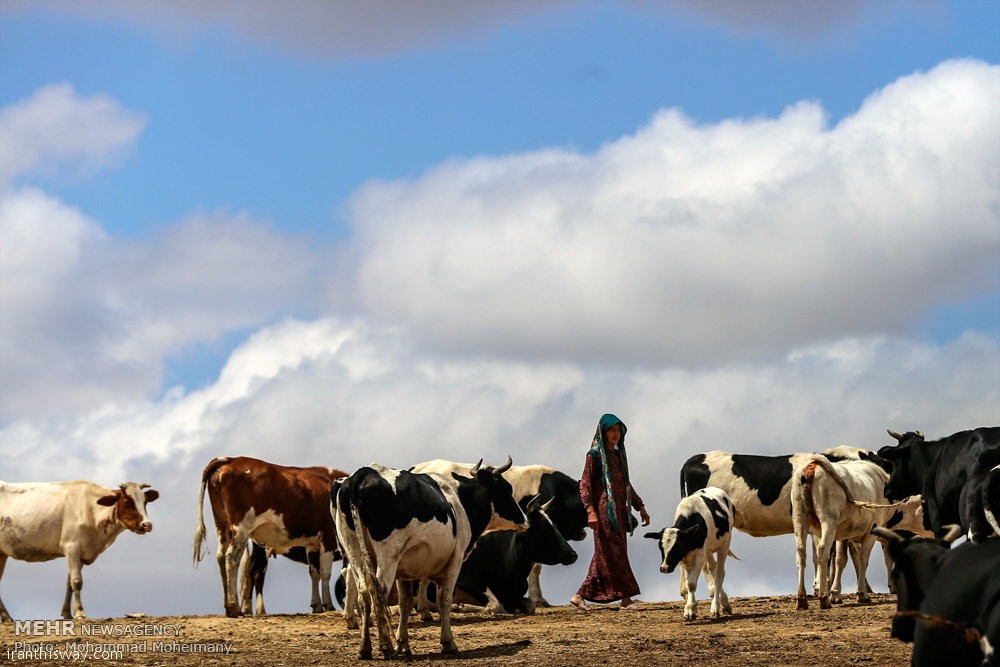
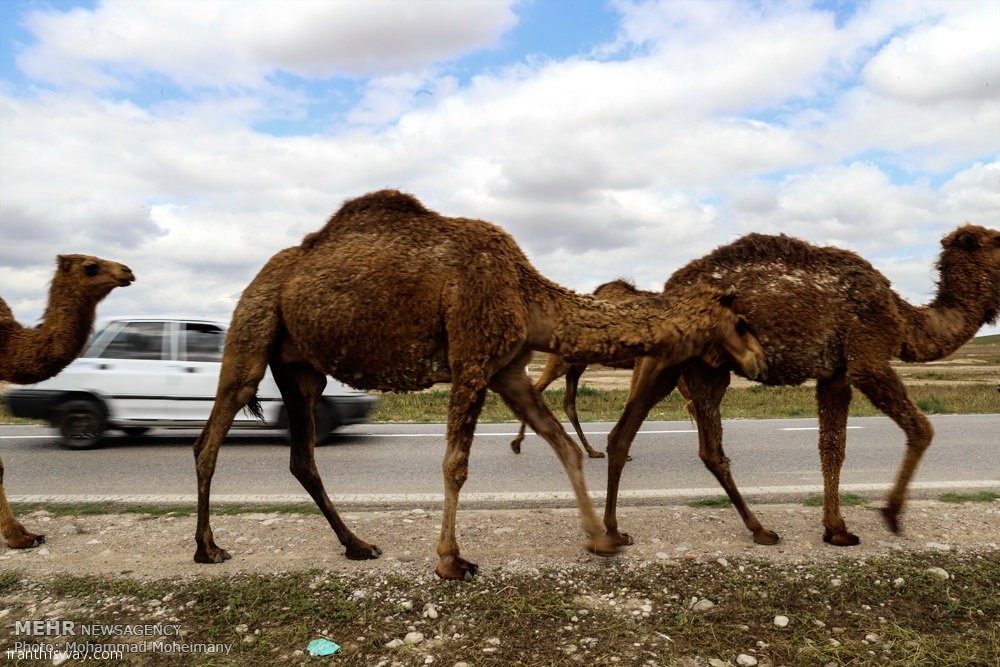
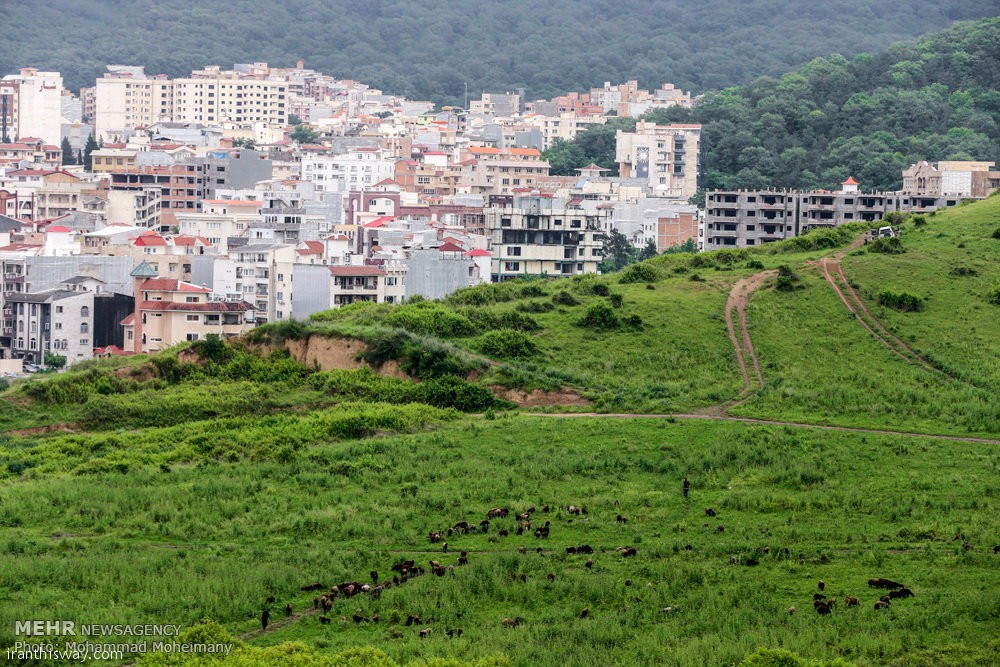
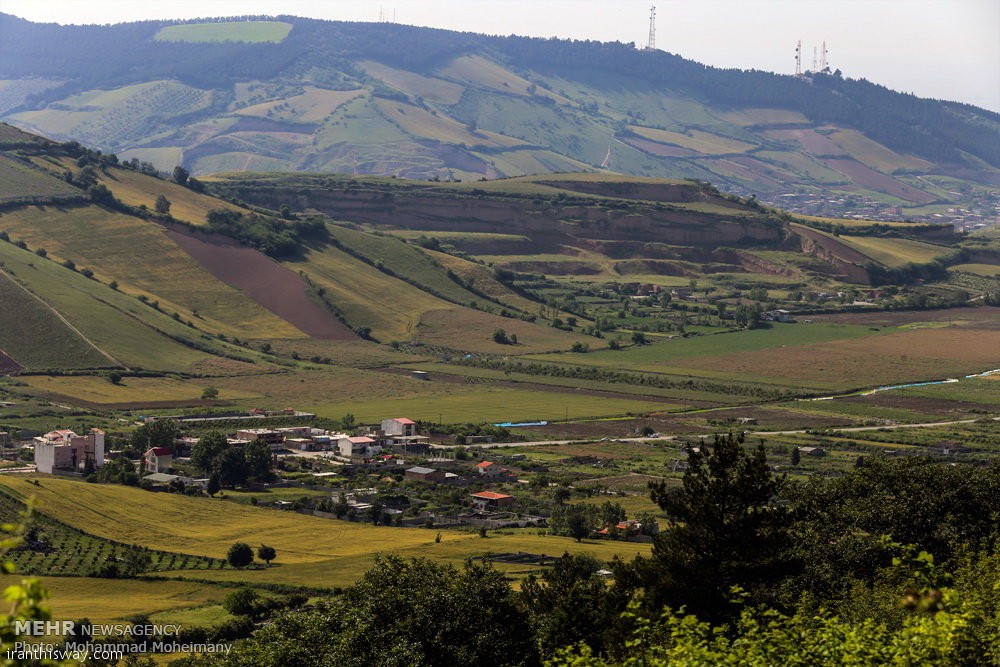
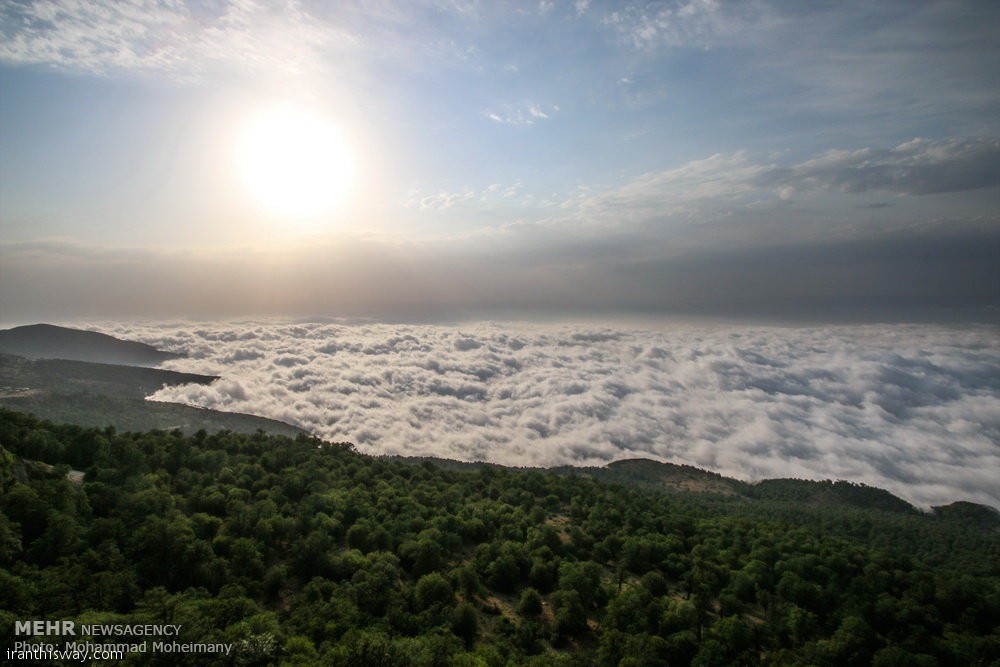
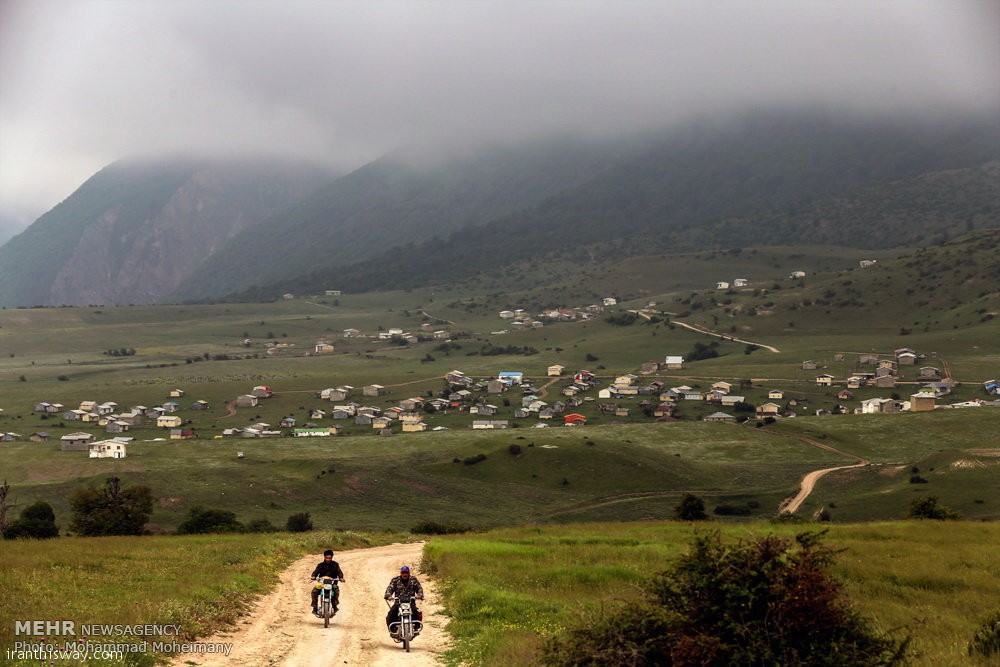
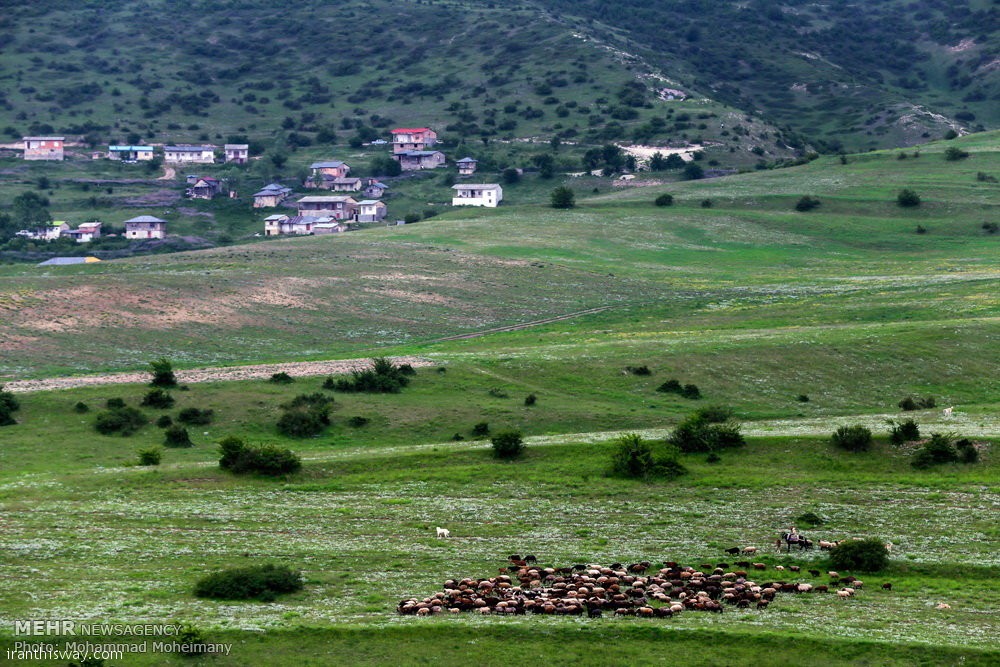
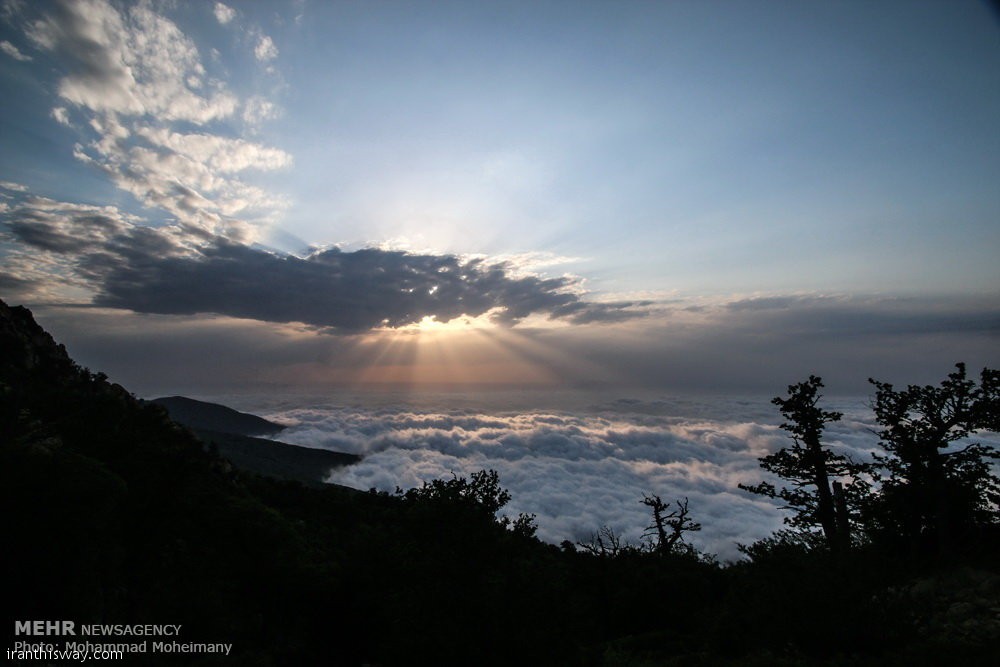
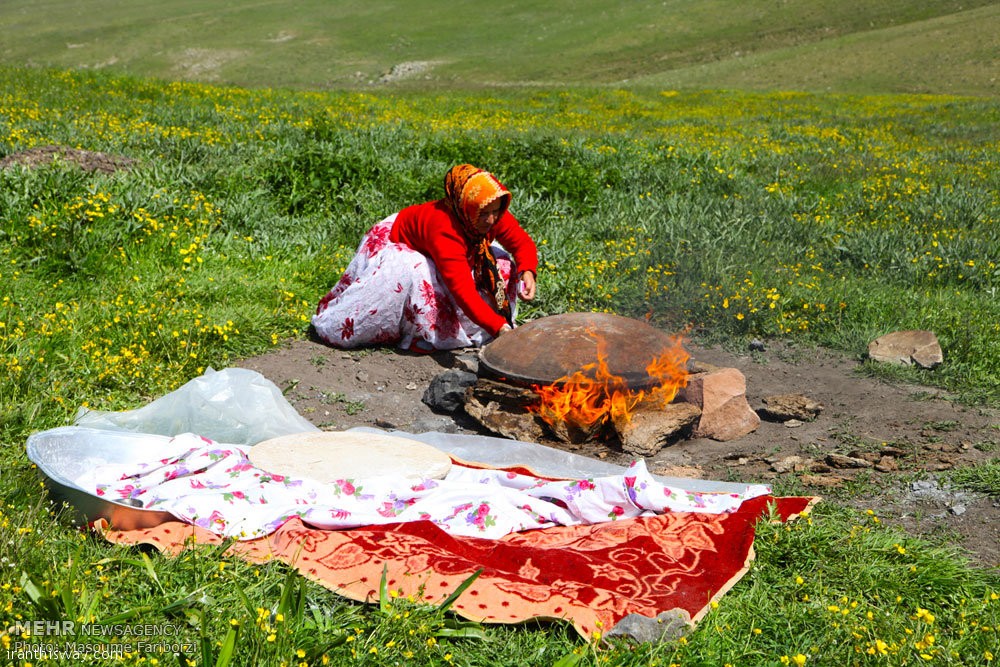
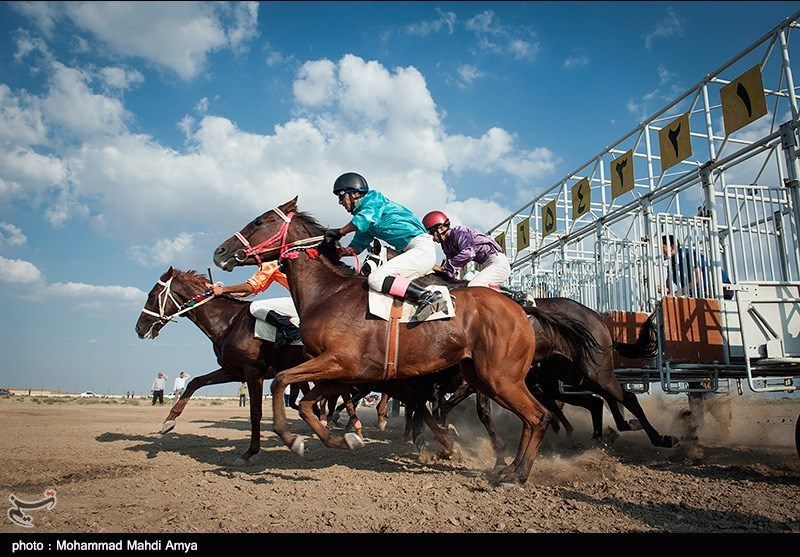
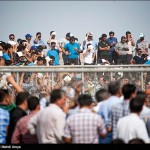
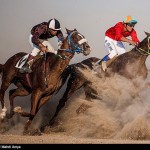
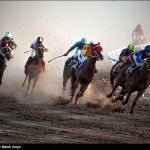
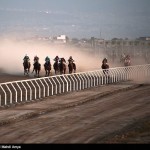
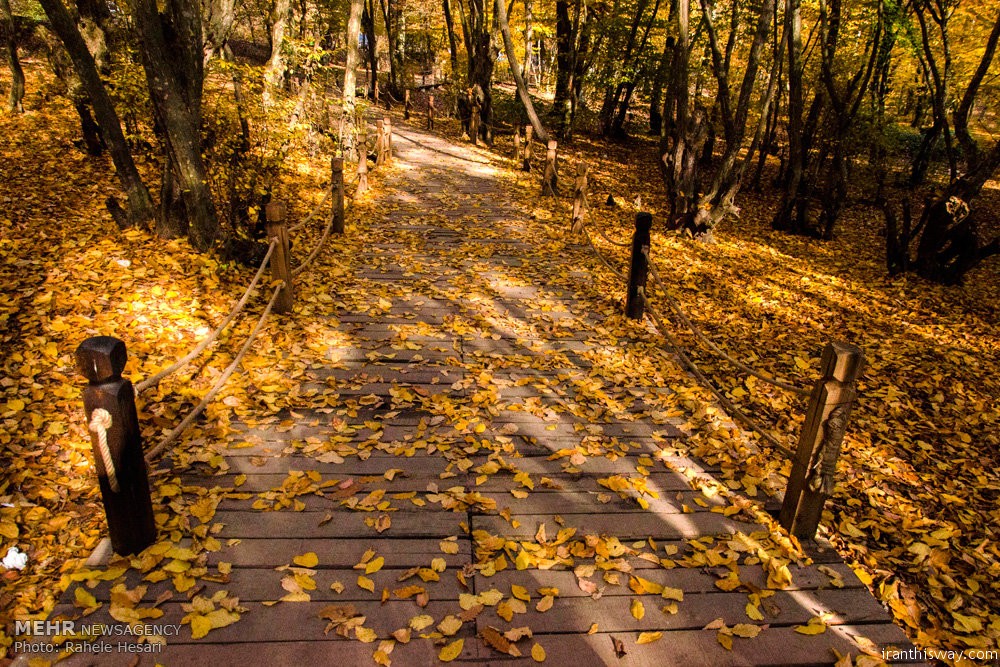
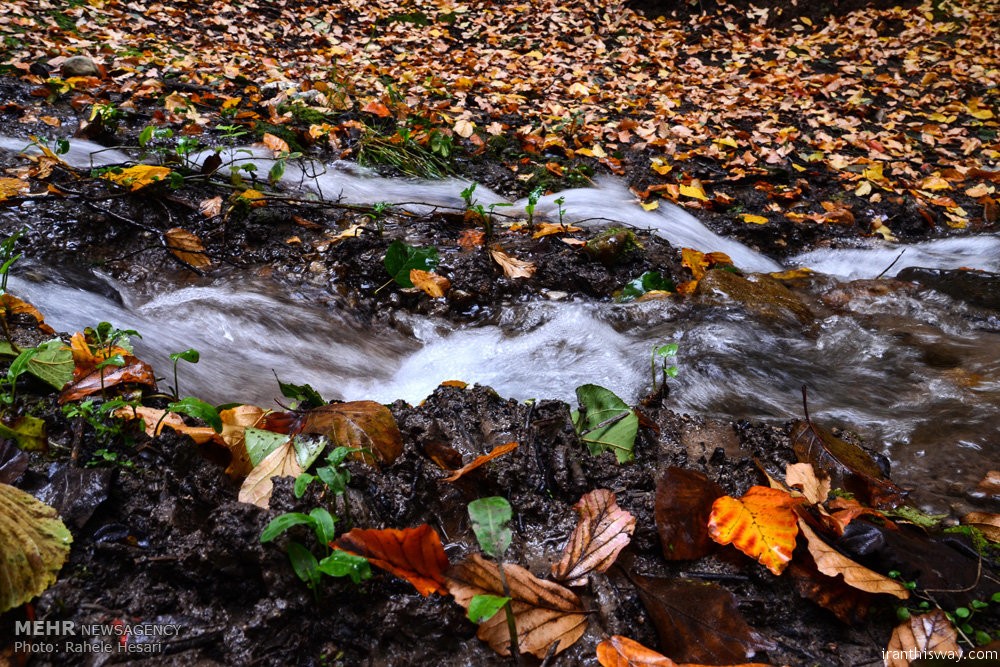
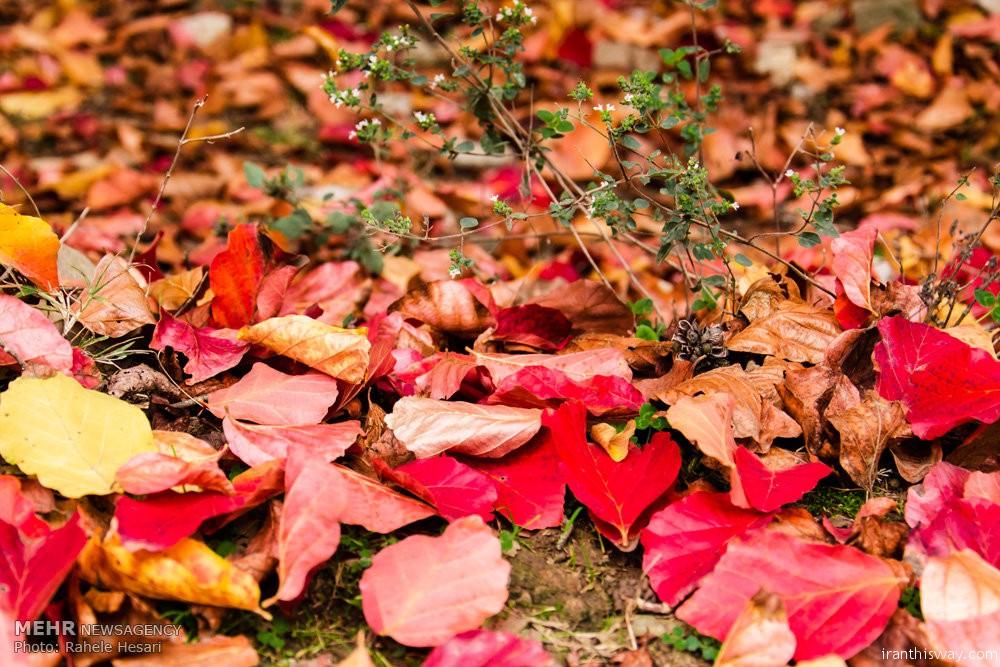
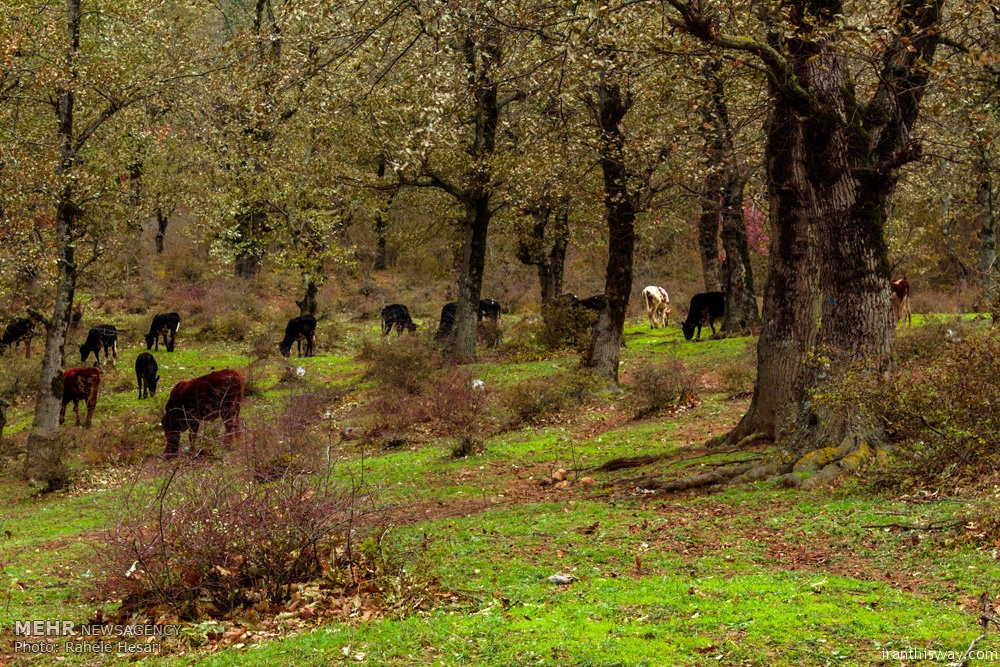
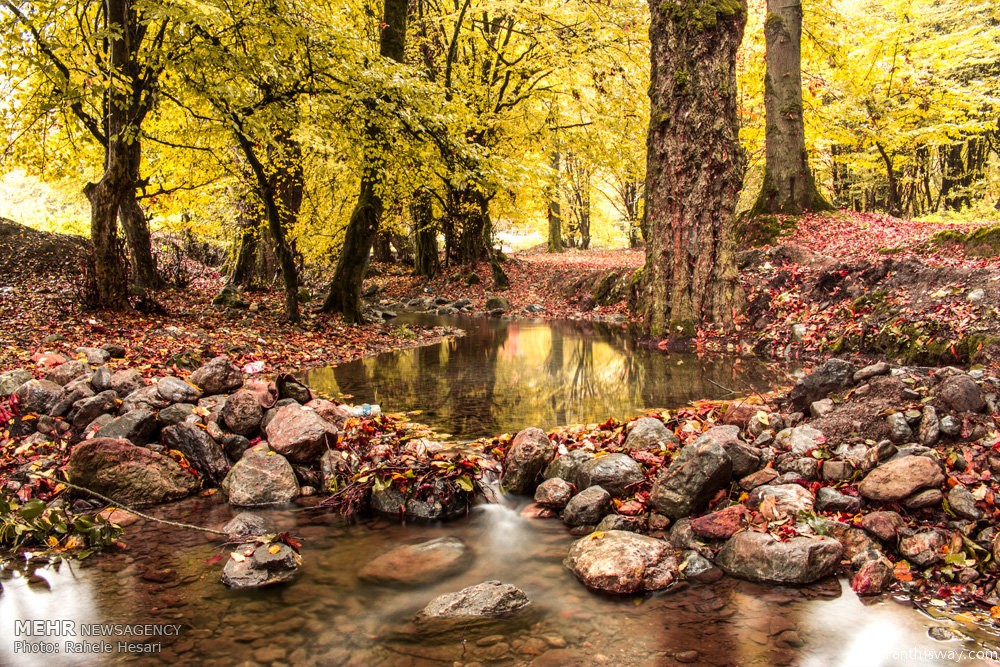
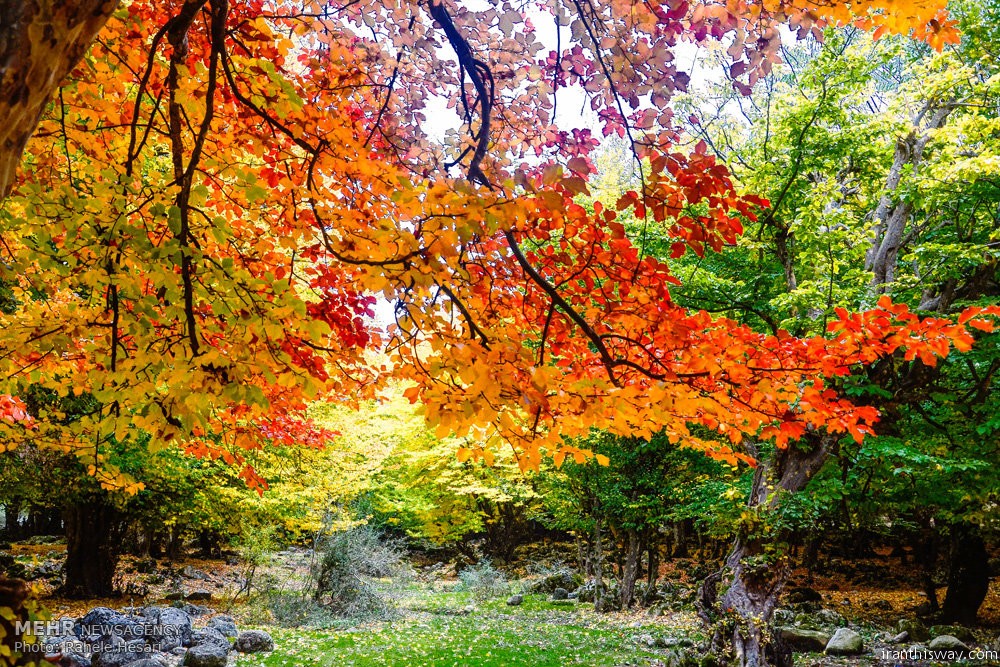
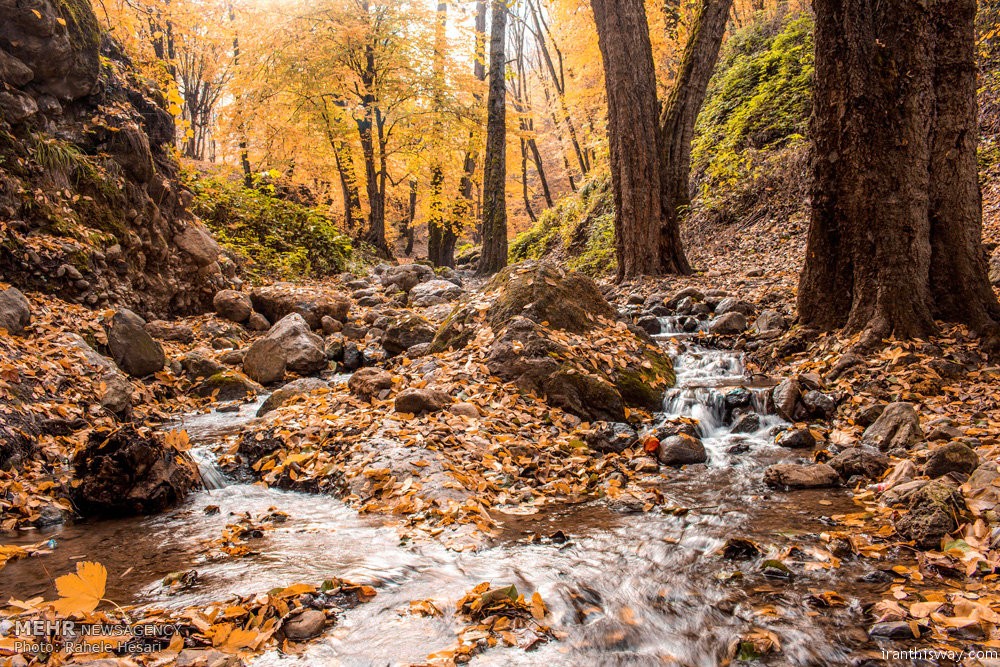
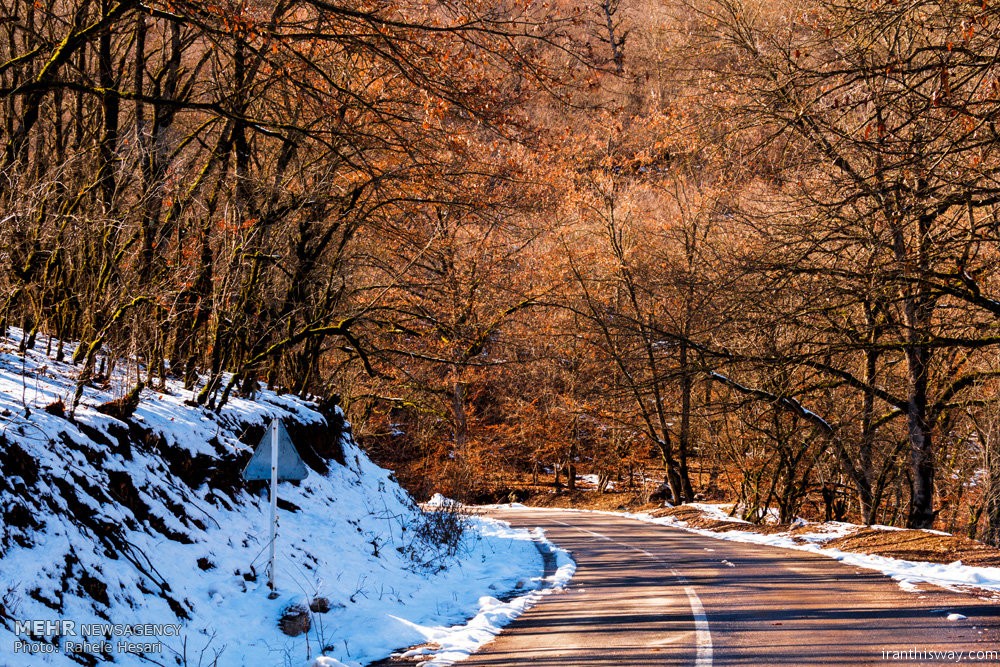
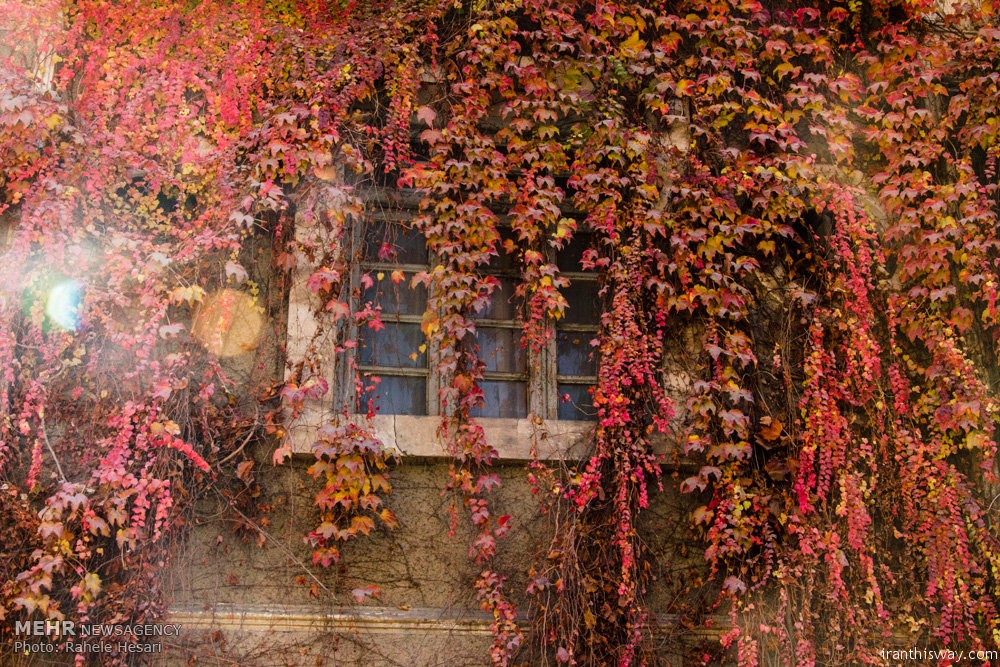
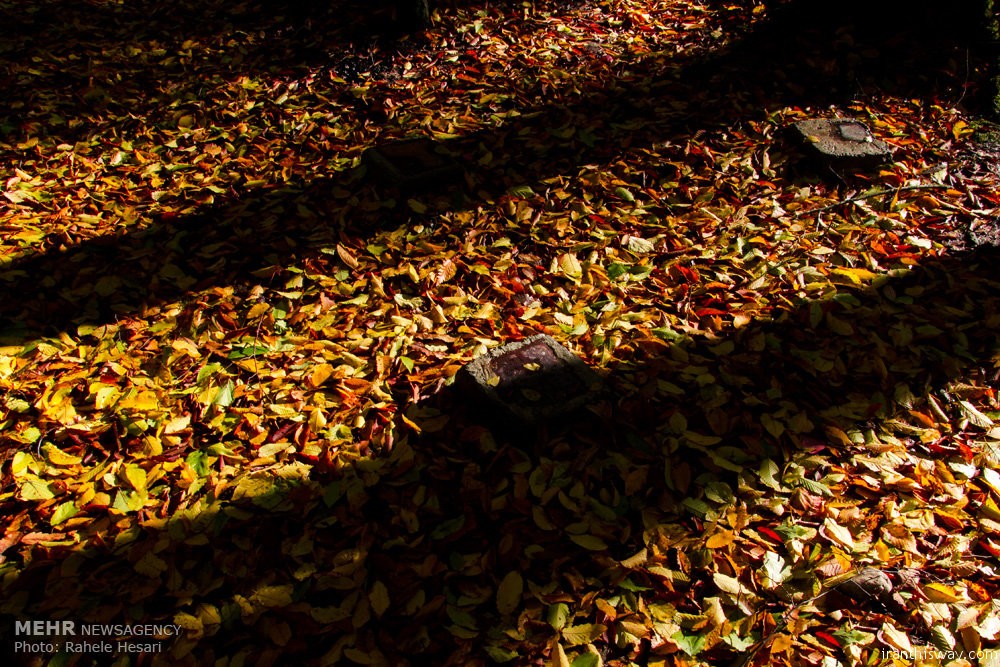
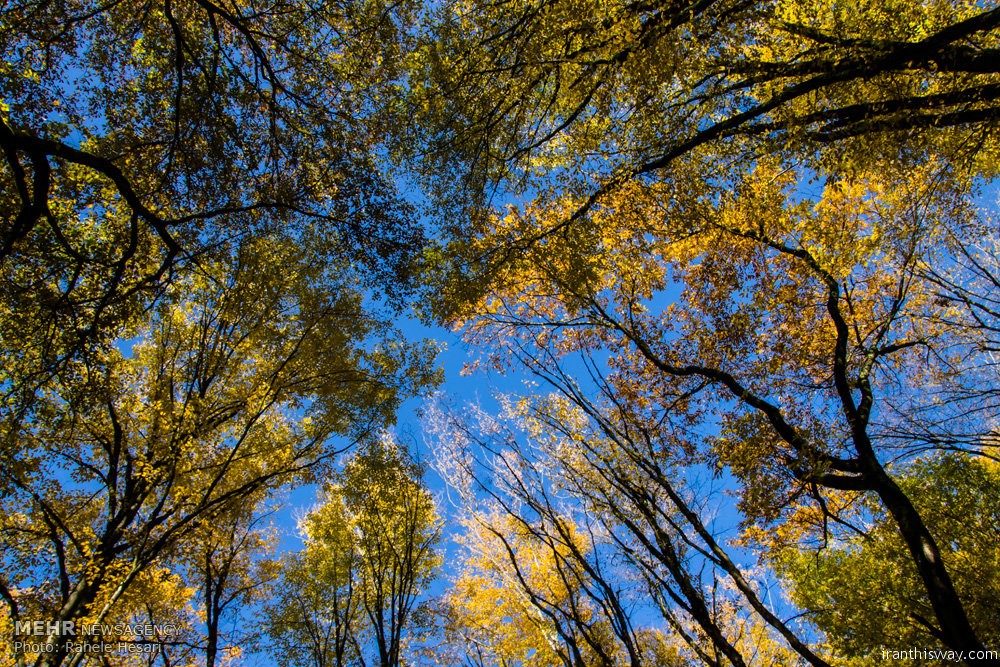
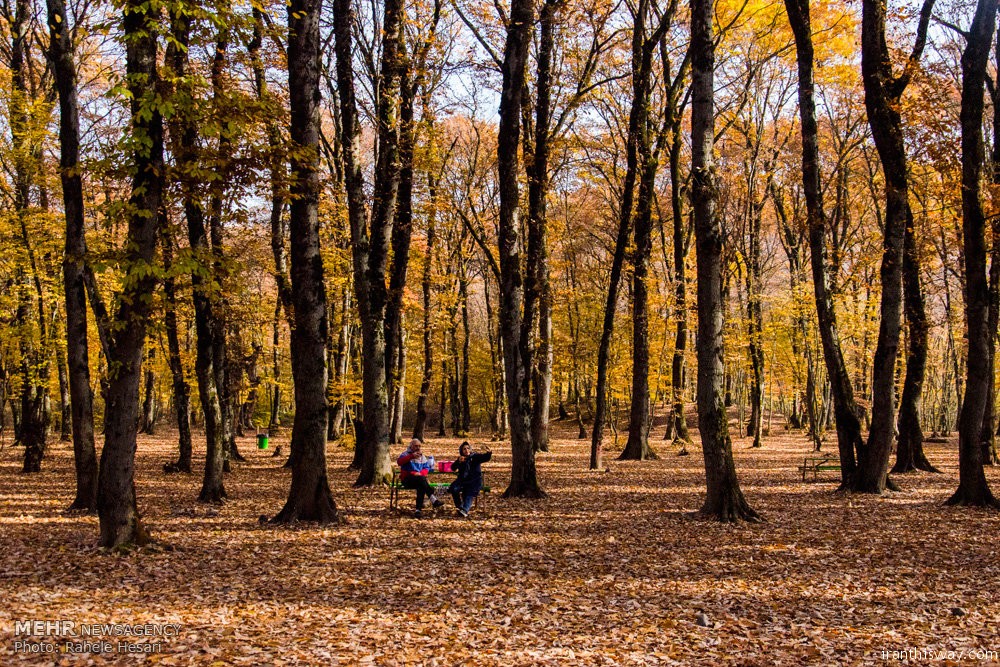
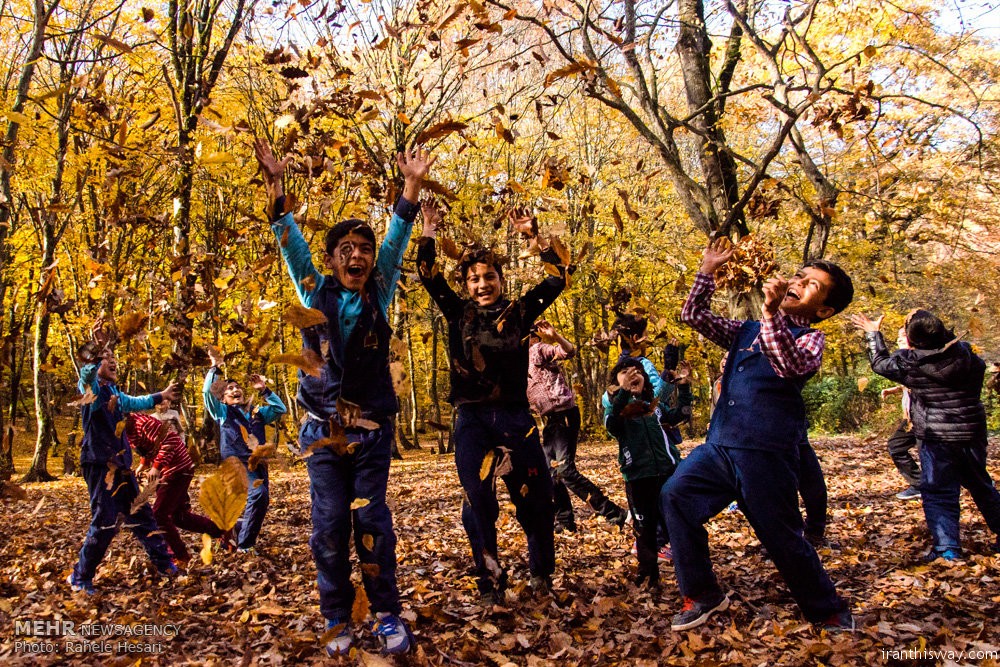
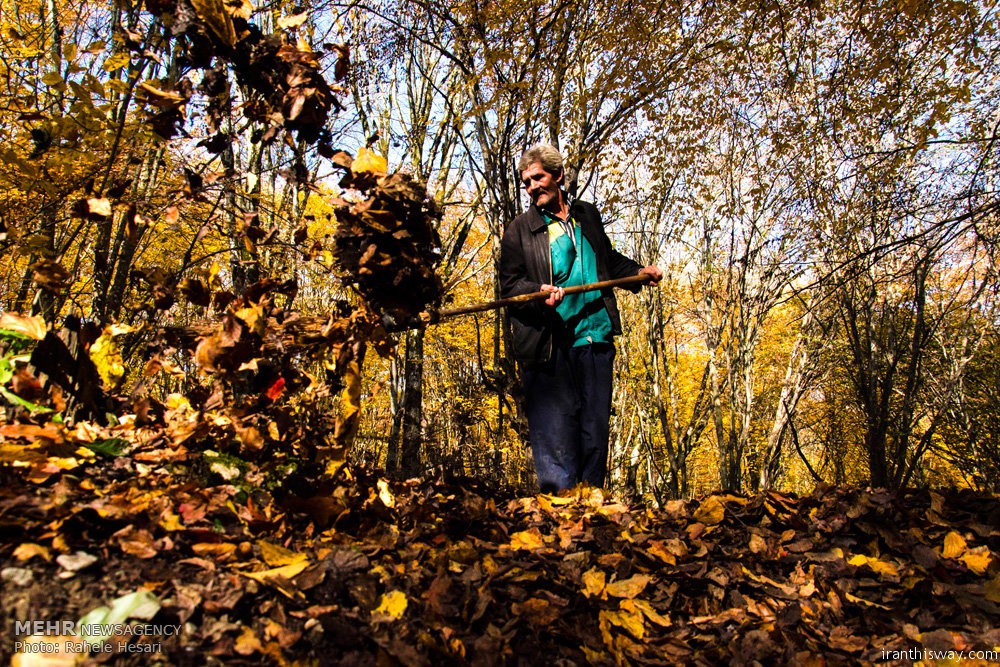
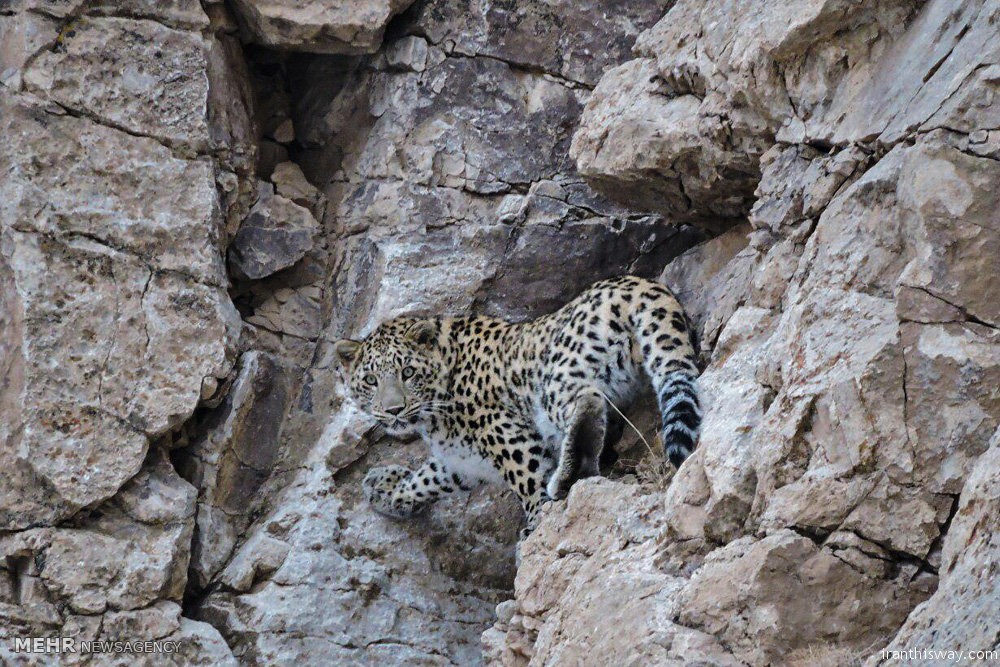
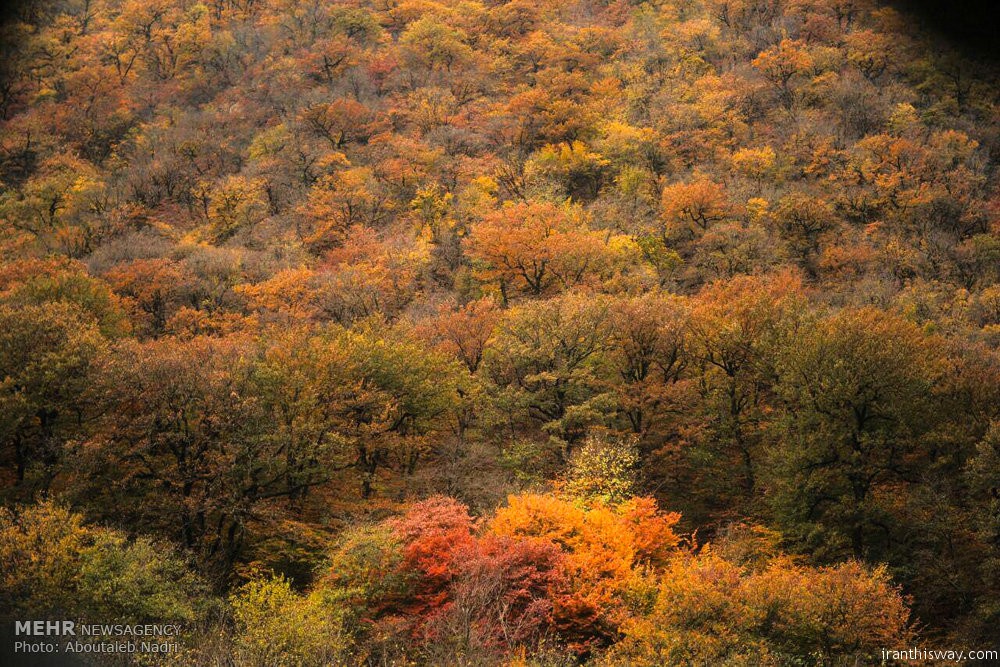
Golestan Province is one of the 31 provinces of Iran, located in the north-east of the country and south of the Caspian Sea. Its capital city is Gorgan. Nature of Golestan province, is one of the most beautiful in fall.
About Golestan
Golestan province is located on the south eastern shore of Caspian Sea. In general, Golestan has a moderate and humid climate known as “the moderate Caspian climate”. The effective factors behind such a climate are: Alborz mountain range, direction of the mountains, height of the area, neighborhood to the sea, vegetation surface, local winds, altitude and weather fronts. As a result of the above factors, three different climates exist in the region: plain moderate, mountainous, and semi-arid. Gorgan valley has a semi-arid climate. The average annual temperature is 18.2 Celsius and the annual rainfall is 556 mm.
Its capital, Gorgan, is approximately 400 km from Tehran and has an airport and several universities. The Golestan National Park is some 150 km to east of this city.
Gorgan has contributed to the rich literature, poetry and science of Iran and even the world by celebrities such as Abdolqaher Gorgani, Sayed Esmail Gorgani, Mirdamad , Mirfenderski, Asad Gorgani and Esmail Hosseini Gorgâni.
Gorgan and in general Golestan province has a world famous carpet and rug industry. Made by Turkmans, is inherited from the ancient Persian city of Bukhara. Jajim carpets are the exclusives of this province.
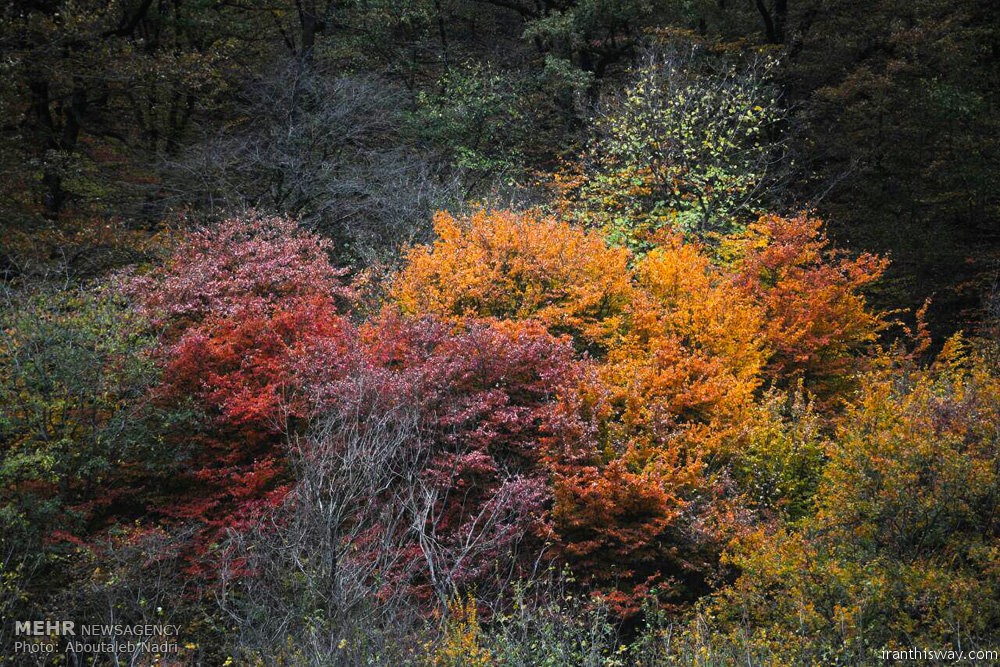
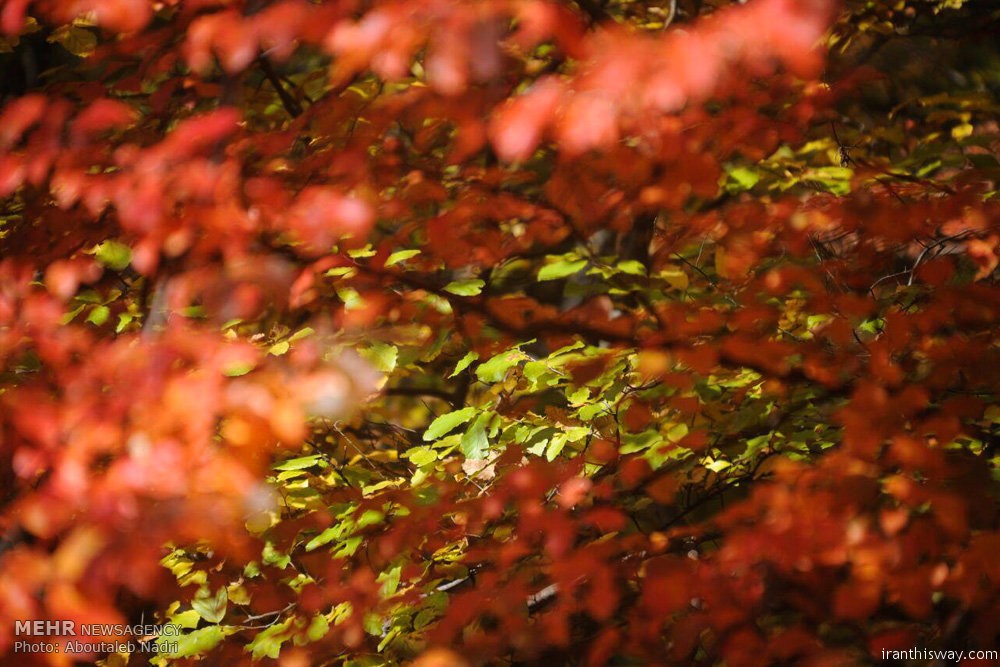
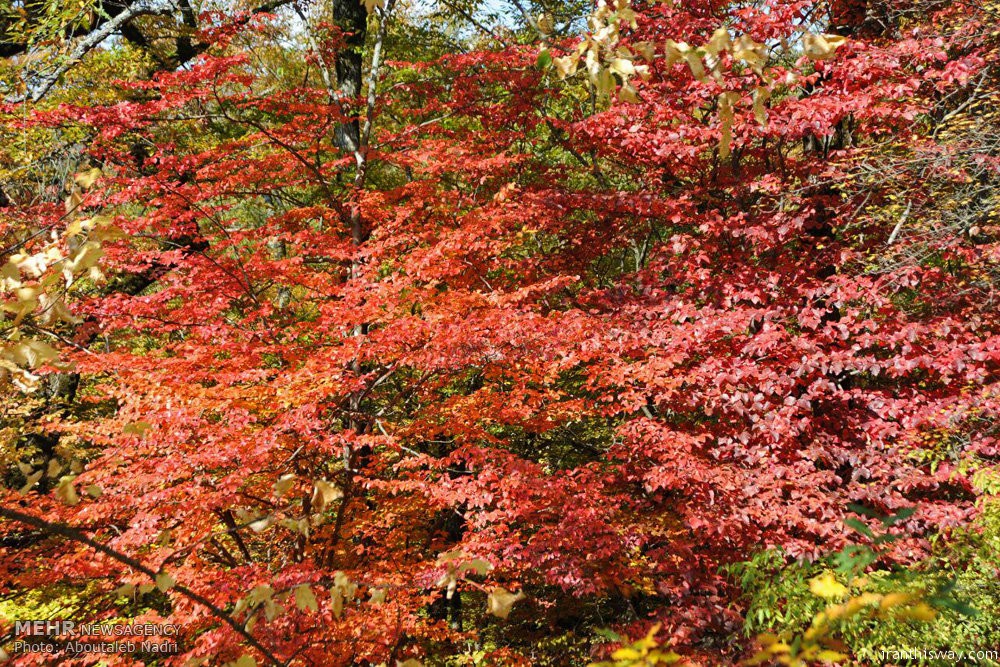
Golestan National Park in north east of Iran is one of the most beautiful natural resorts during autumn with colorful trees creating magnificent landscapes.
Golestan National Park is one of Iran’s largest, oldest and finest national parks. Situated in the north-east of Iran, inland from the south-east corner of the Caspian Sea, its 92,000 hectares consist for the most part of a weathered limestone plateau. It is remarkable for the diversity of climatic zones and ecosystems encompassed within a single national park.
Close to the humidity of the Caspian Sea, the Park’s north-western sector has a dense cover of old growth broadleaf forest, lush and green in spring and summer. Then as you move east there is a progressive transition to more open savanna, steppe and semi-arid landscapes. There are also extensive areas of riverine and marsh habitat within the Park. Accompanying the shift in climatic zones are changes in flora and fauna which account for the richness and diversity of the Park’s wildlife.
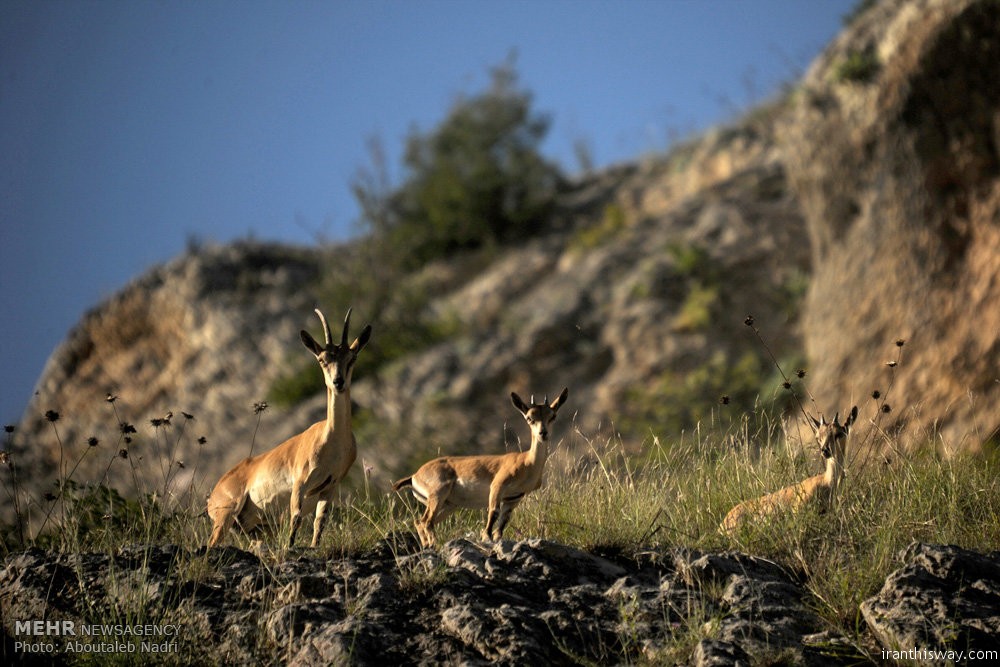
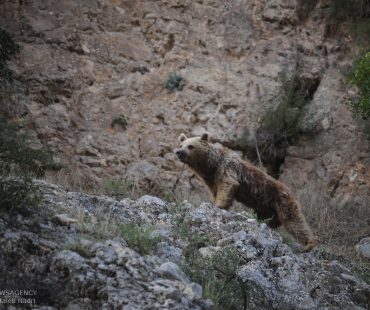
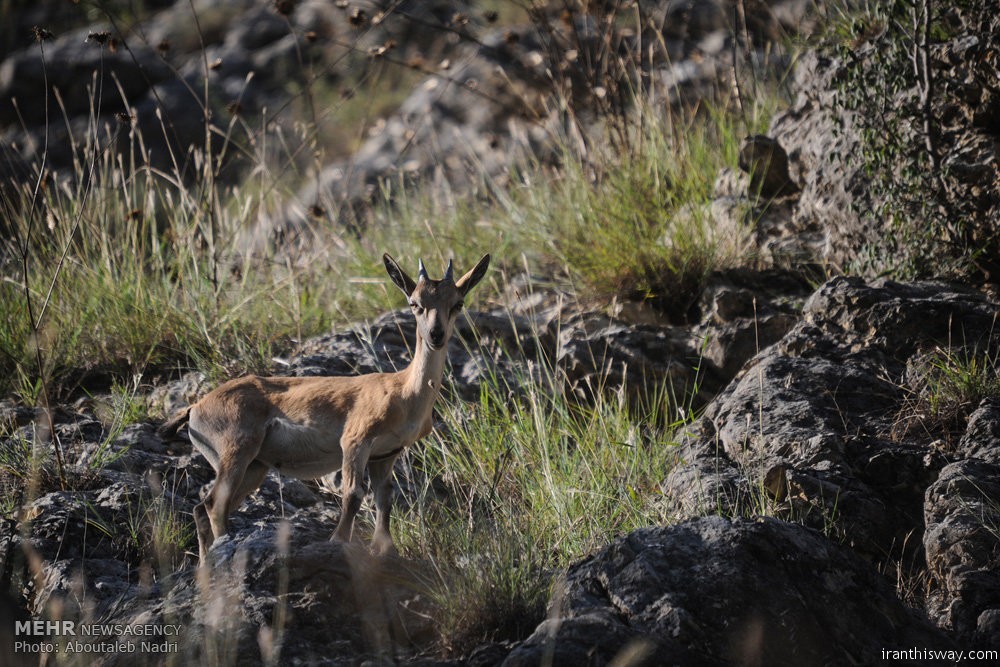
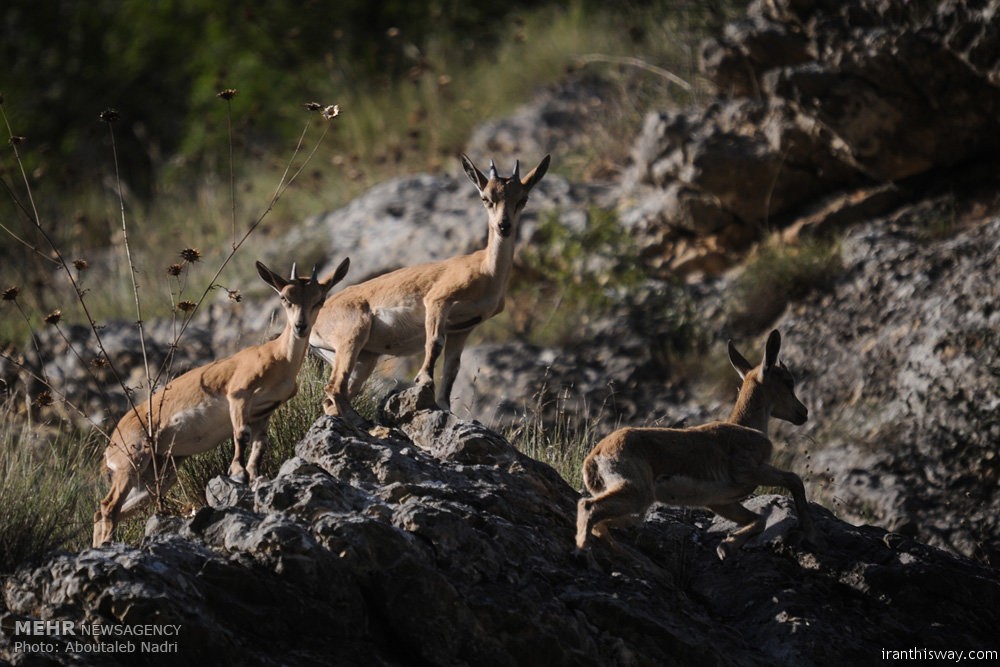
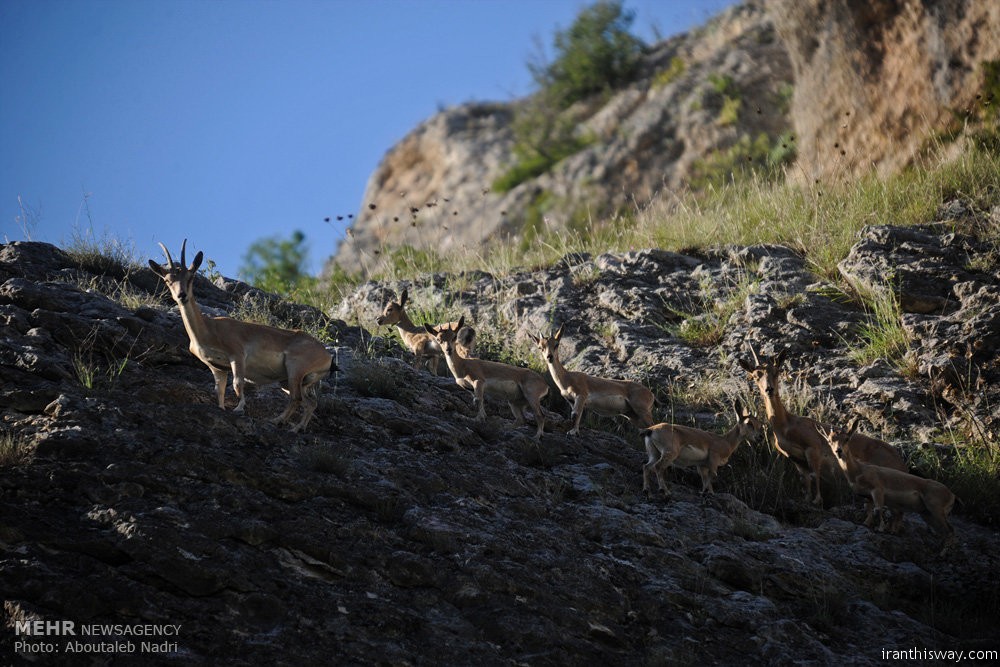
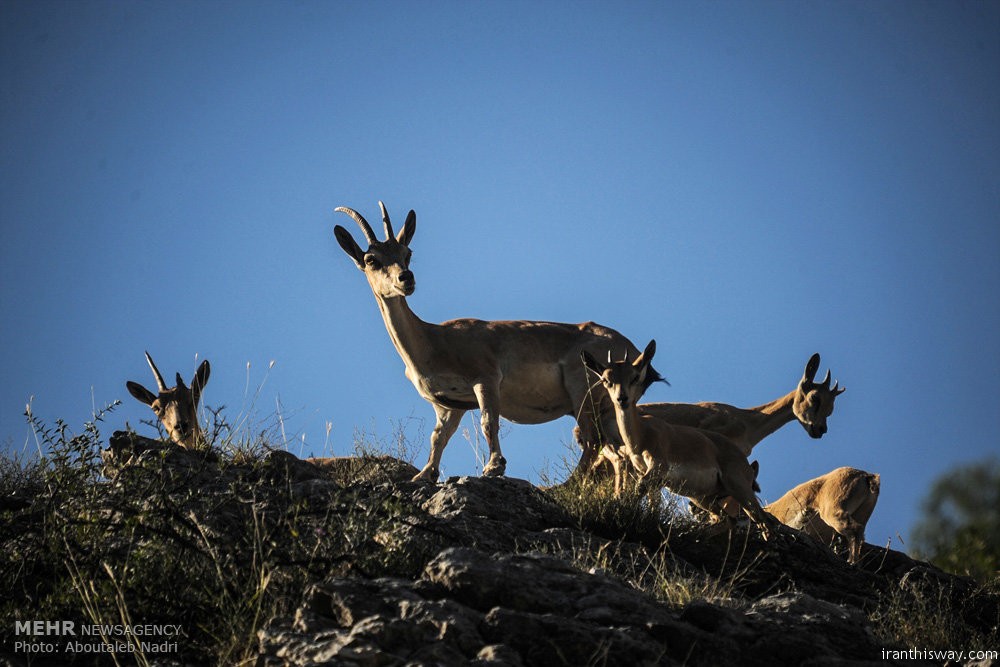
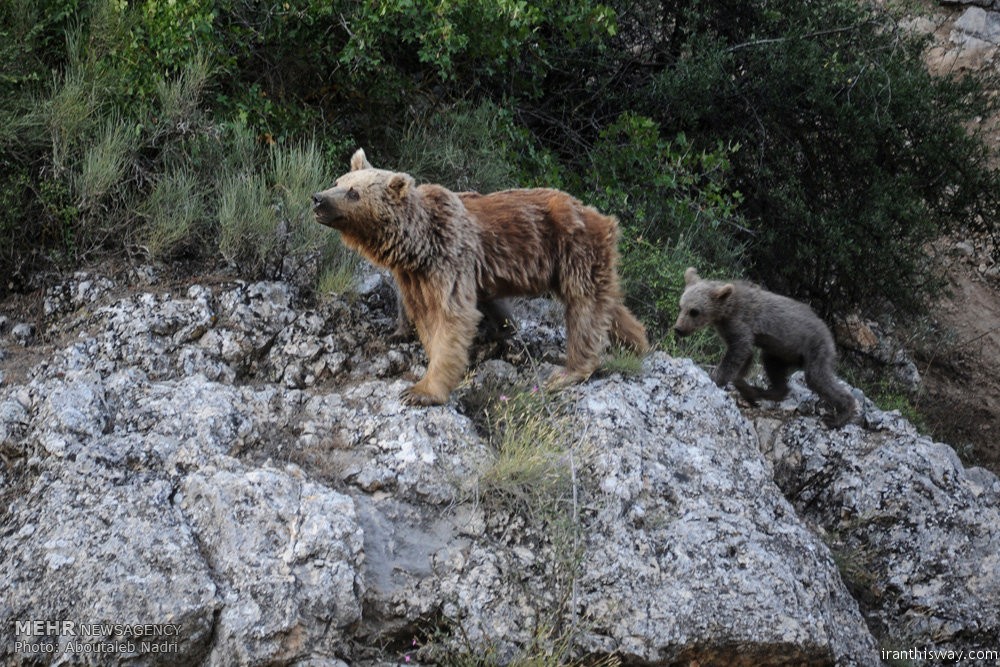
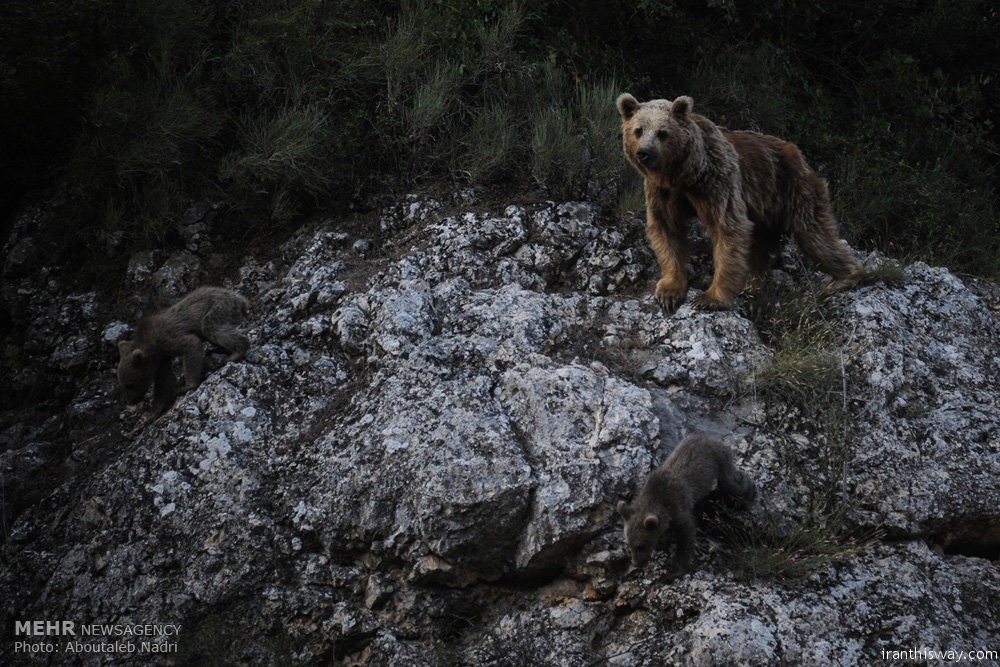
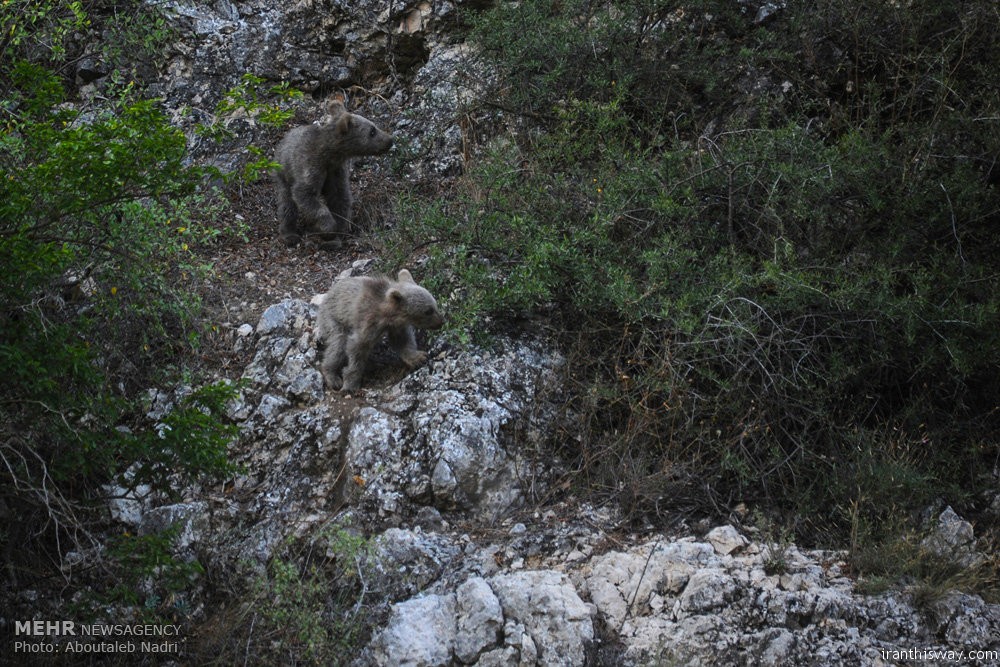
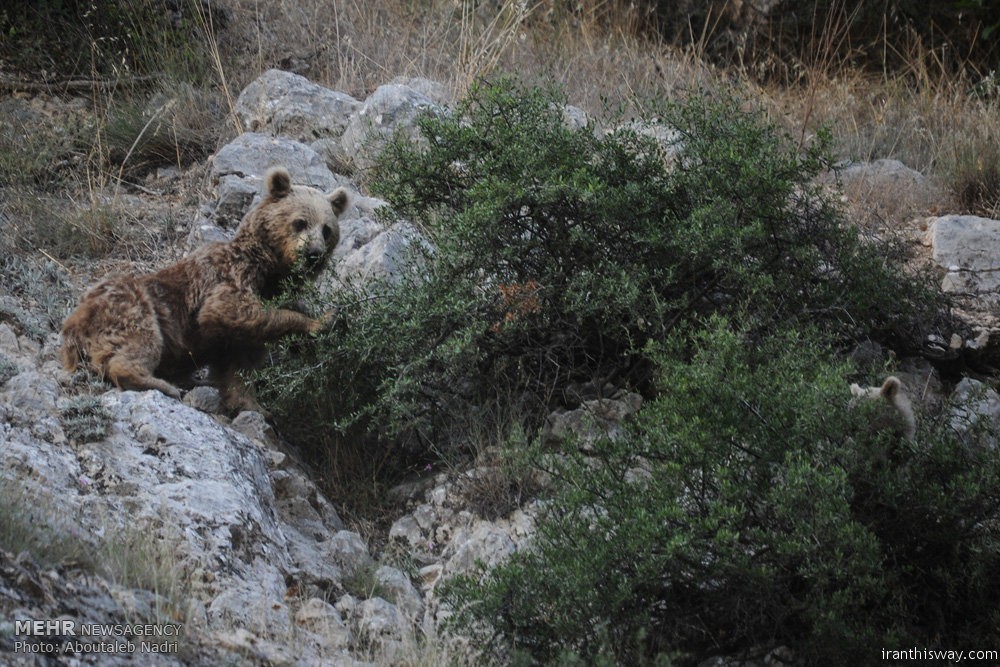
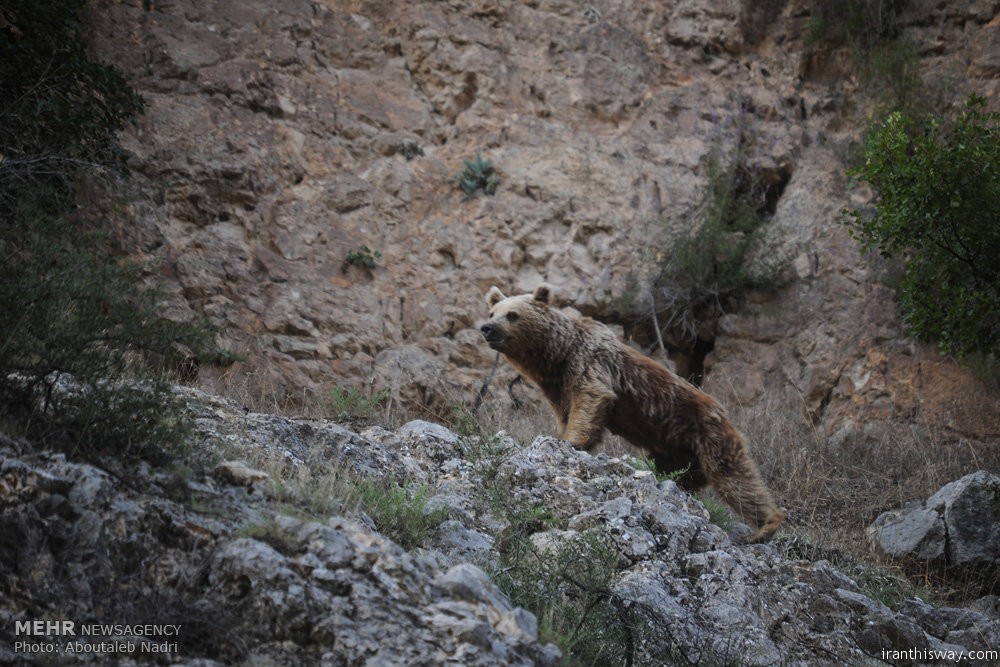
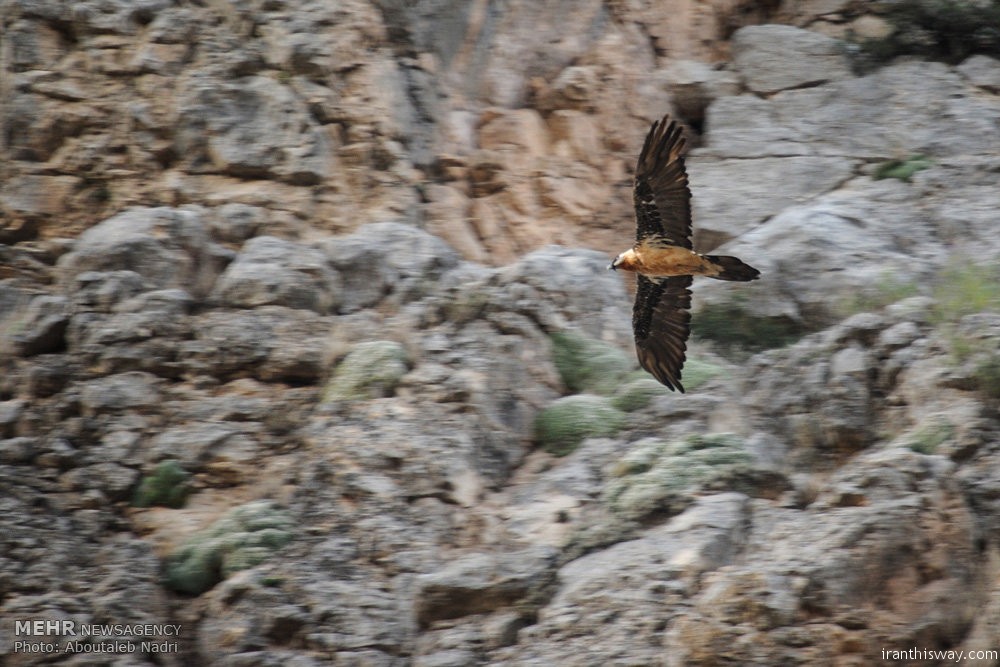
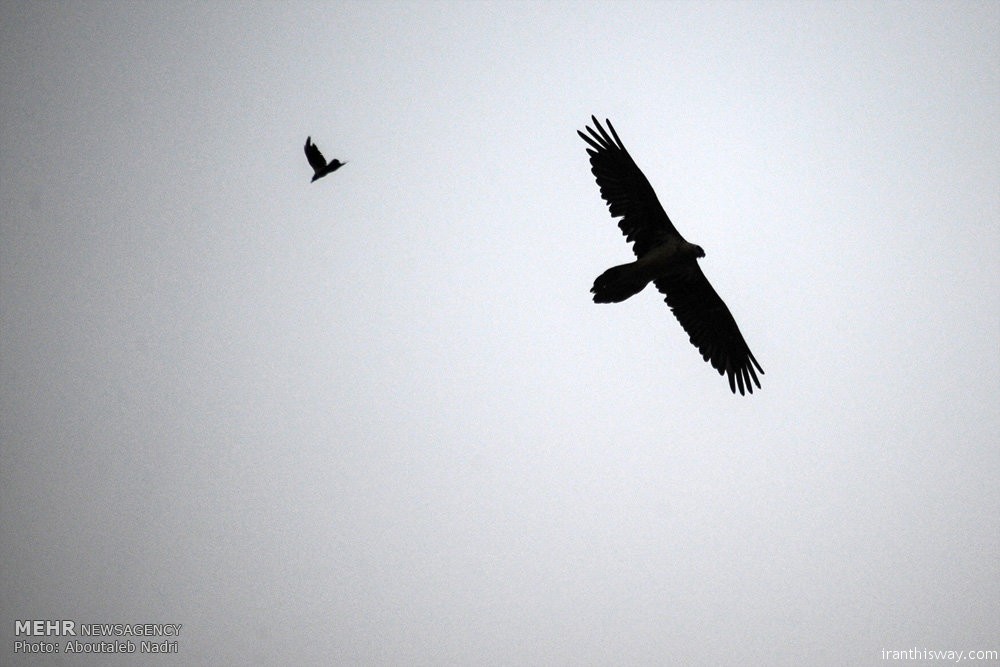
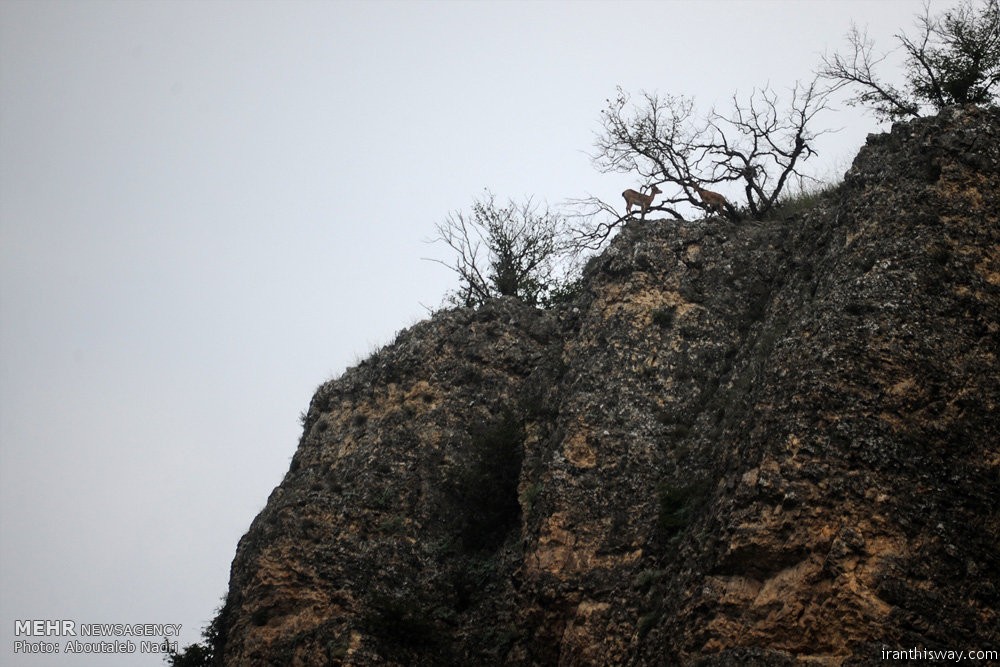
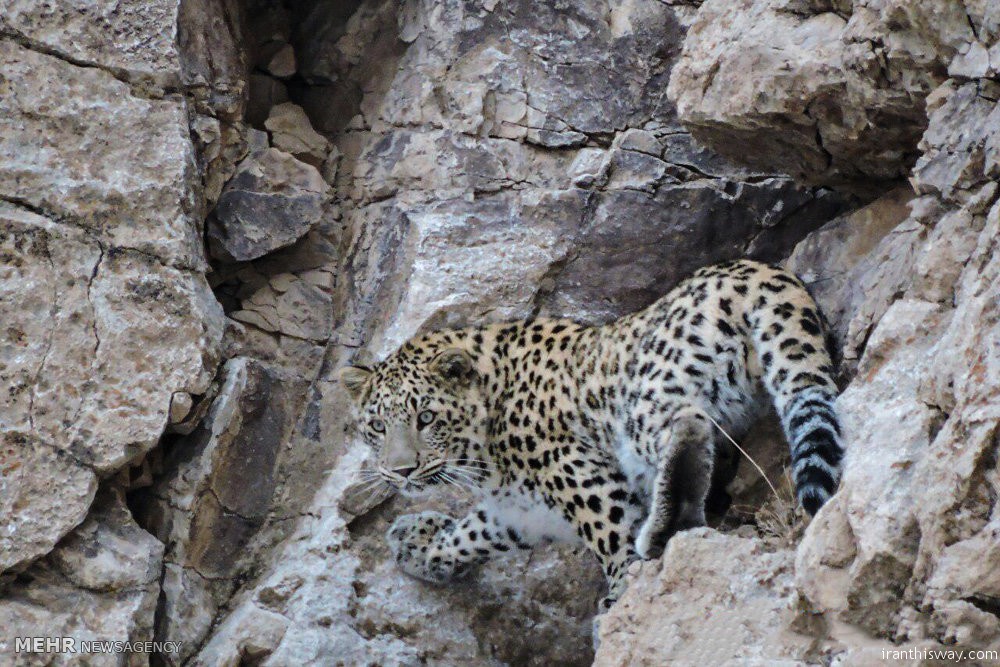
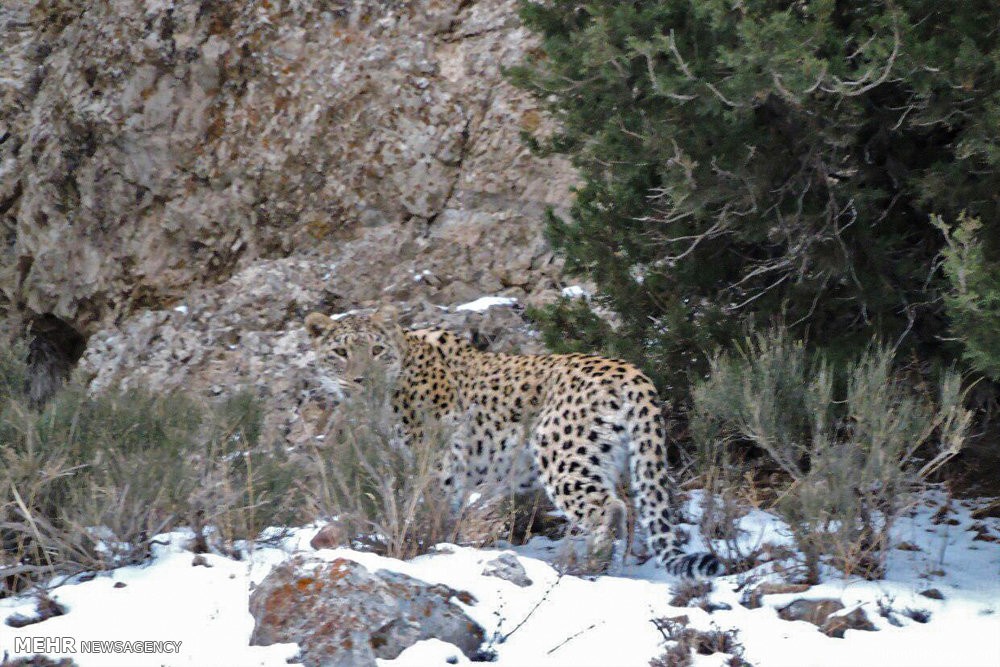
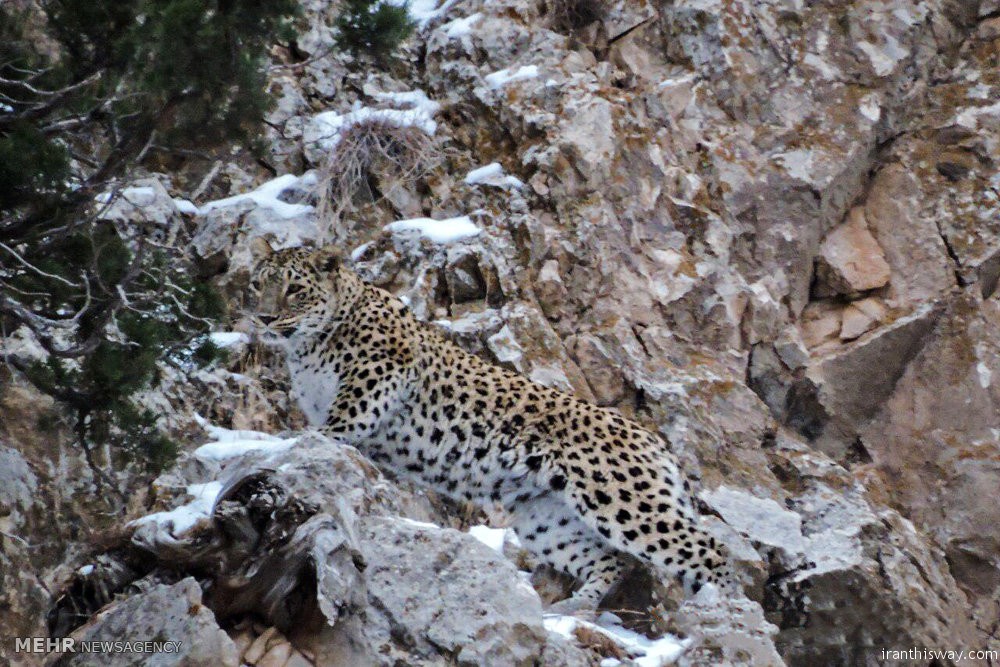
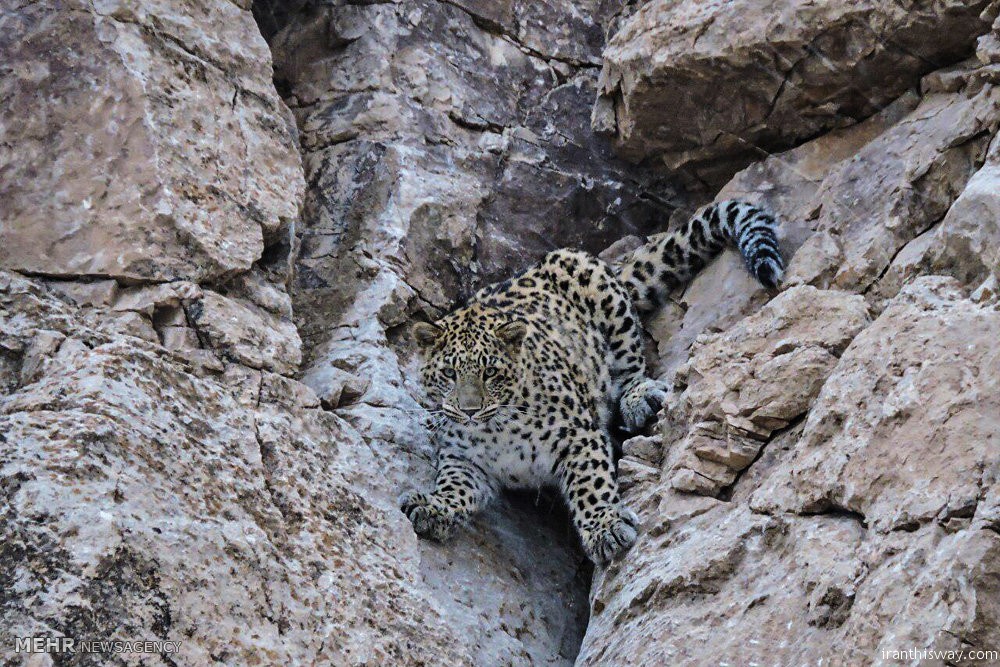
Many species of animals have been identified within the Park: 69 mammals; 150 birds; 24 reptiles; and 2 amphibians. Prominent among the mammals are Persian leopard, brown bear, wolf, jackal, red fox, wild cat, wild boar, Caspian red deer, goitered gazelle, urial sheep and Persian ibex. Readily observed birds include large raptors such as golden and steppe eagles and lammergeiers, as well as medium-sized ground lovers such as partridges and pheasants. The Park’s 1,365 plant species include junipers thousands of years old as well as several species endemic to the region such as Alma saffron and Persian ironwood.
The Park through the seasons
As the seasons change, different aspects of the Park’s character are revealed, along with the different stages in the life cycles of the Park’s plants and animals. Each season has its own attractions and brings its own opportunities for the visitor.
Spring is the best time of the year for wild flowers, nesting birds, and to see the Park’s highest waterfall (about 110 m), its biggest spring and river. Summer is the season for wild berries, for young birds to leave their nests, and to see animals with their new-born young. Shades of gold and orange signal the arrival of autumn in the deciduous Hyrcanian forest, and with it, an abundance of mushrooms, and the red deer mating season. Winter is when the Park can be seen at its most spectacular. Blanketed in snow, the contrast with summer is stark, and it is usually easier to see many of the Park’s animals.
Golestan National Park is one of Iran’s largest, oldest and finest national parks accommodating many species of plants and animals. Let’s take a look at the park on the occasion of World Animal Day./ Photo: Aboutaleb Nadri, MNA
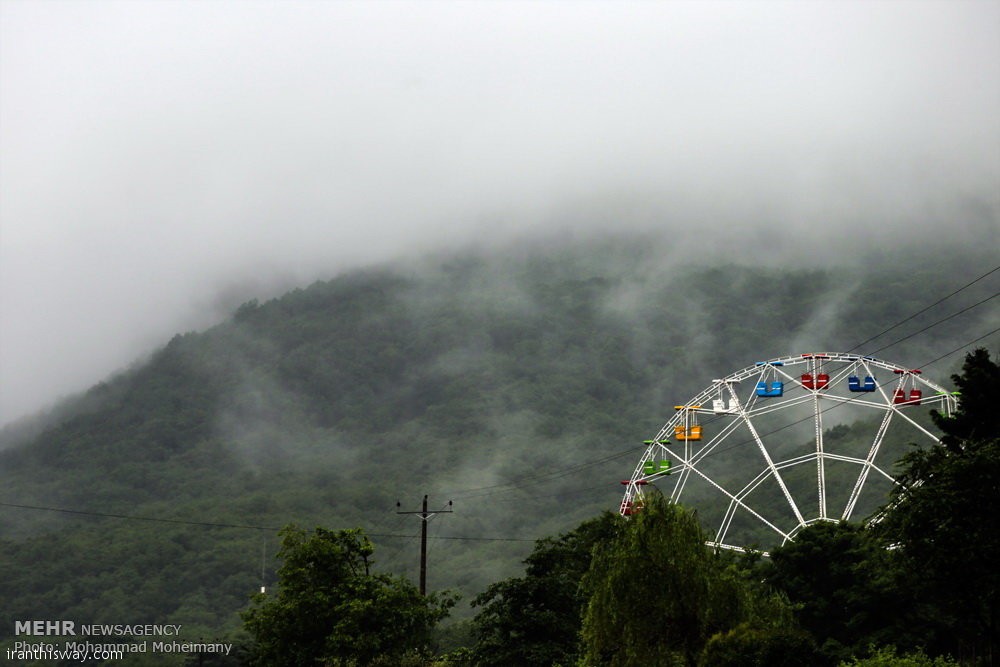
Golestan province, scene for beautiful natural interaction of mountain, sea, and diversity of plant species, and no less influential, the climate, has been a frequent destination to large number of lovers of nature swarming the province seeking a tranquil retreat from city hustle and bustle.
Renowned Iranian painter and educator Mahmoud Farshchian has passed away, as announced by the Academy of Arts on Saturday. He died at the age of 95 while hospitalized in the United States.
Born in the historic city of Isfahan in 1930, Mahmoud Farshchian was also a member of the Iranian Academy of Arts. His artistic journey began when his father enrolled him in the workshop of Haj Mirza Agha Emami, a prominent traditional artist. He later pursued further studies at the Isfahan School of Fine Arts under the guidance of Master Issa Bahadori.
Farshchian was the pioneer of a unique style and school within Iranian painting. While remaining true to the authentic foundations of this traditional art form, he expanded the horizons of Persian painting through innovative techniques.
Childhood: Nature, beauty, & family Isfahan, Iran 1930 Born in Isfahan in 1930, Mahmoud Farshchian grew up in the proximity of Isfahan’s royal mosque, where the architectural masterpieces of the Safavid dynasty informed his understanding of art and beauty. No place in the world could have provided a better ambiance for the education of a traditional Persian artist. As a child, it was already clear that his life would be devoted to painting.
Ahmadabad & The Chicken House Farshchian’s natural genius was nourished by his family’s deep appreciation for art in all its forms. Farshchian’s family home in the Ahmadabad neighborhood of Isfahan included trees, water fountains, pools, and a section called the Chicken House. His childhood memories of playing with the hens, roosters, pigeons, and sparrows are evident in his masterful depiction of their colors, feathers, and movements. Beyond their physical appearance, Farshchian paid keen attention to their different moods and personalities. “There was this particular white rooster that was so friendly with me,” he remembers.
“I carried food for him in my pocket, and he would push his head into my pocket and eat them.” “When a drop of light falls into the glass of a human soul, what would it create with love?” -M.F.
Home & Family Farshchian’s father Gholamreza was a successful Persian carpet dealer, and the home was furnished with antiques, Cretonne curtains, and many carpets woven by the masters Archang (Ahmad Hartamni) and Mirza. Father would sit, arms crossed, watching in silence for hours as his young son drew the carpets’ lines and patterns. He would just look at me from the corner of his eyes. It was then that I realized the effects of my passion for art in my life. Farshchian’s parents shared a genuine love of God and religion. His mother Zahra would take her children to the Imamzadeh Ismael shrine near their house, where Farshchian would make pencil copies of the shrine’s many paintings of events of Karbala and Ashura. The shrine had a plane tree that was burnt from inside, an image that appears in many of Farshchian’s paintings. A pilgrimage to Karbala in the 1940s affected Farshchian deeply, as revealed in his designs for the new tomb of Imam Hussein decades later.
“I get my art-loving spirit from my father. Although he was a businessman and trader, he admired art….That’s how I developed my passion for art.” -M.F.
Six Months of Darkness At the age of five, Farshchian fell into the courtyard pool and almost drowned. Zahra saved his life by reaching in and pulling him out by his hair. His swirling, circular compositions reflect this harrowing near-death experience. “I have had a brush with death and struck by the evil eye several times in my life.” M.F.
Gholamreza and Zahra were avid readers, and together they amassed a library containing hundreds of rare books and manuscripts. Every Friday, family and friends gathered in the family home to recite The Book of Kings, Saadi, poems, and literary maxims. Once when Farshchian was six years old, he fell and hit his head running upstairs to fetch a Book of Kings from his mother’s reading shelf for his father and their guests. The accident left the young boy completely blind for six months. When the bandages came off, Farshchian experienced a psychedelic rush of colors. His vibrant, rainbow palette reflects his joy upon recovering his sight.
Education: A Young Artist in Golbahar school Farshchian studied with the greatest masters of Persian art and literature in Isfahan. At Golbahar, the prestigious public school he attended, his teachers praised Farshchian’s artistry and encouraged him to study with Haj Mirza Agha Emami, an artist, carpet designer, and giant of Iranian Modernism. Farschian so impressed Haj Mirza with his talent, passion, and humility that he agreed to train the young student.
Haj Mirza Haj Mirza taught Farshchian how to draw a gazelle. “When I got home, I was so excited,” Farshchian recalls. “I stayed up all night and drew about 200 gazelles: big ones, little ones….I felt like something was changing within me.” The next day, he took his portfolio to show the gazelles to Haj Mirza, who could not believe his eyes. He asked if Farshchian had drawn them all by himself or if he had traced them. “No, sir, I’d never do that. I just drew them,” Farshchian answered. Haj Mirza instructed Farshchian to draw a gazelle in his presence. After finishing quickly, Haj Mirza kissed him on the forehead and said, “You’ll become great! Work hard.”
Farshchian became Haj Mirza’s apprentice and continued to draw in pencil for four more years, mostly emulating Timurid and Safavid drawings. Then Farshchian began to study painting. Eventually, the precocious boy was helping carry out the studio’s commissions. The gazelle still holds a special place in Farshchian’s heart and appears throughout his body of work. “I always got a perfect score, 20/20, in drawing, composition, literature, and other abstract lessons. Unfortunately, I was so untalented when it came to math.” -M.F.
School of Fine Arts, Isfahan Farshchian next attended the School of Fine Arts in Isfahan, where he kept the following sentence framed above his desk: “I should become a genius.” He studied miniature painting, drawing inspiration from the designs and tile patterns of Isfahan’s architectural monuments. Farshchian mastered the intricacies of pigments, binding mediums, and prepared his own brushes from white kitten hairs tied into bird quills tools so fine and flexible that he still uses them for delicate passages. Farshchian learned carpet design from the late master Issa Bahadori, who taught “with passion and love.” Farschian’ s artworks were gifted to every celebrity or diplomat who visited Iran. Farschian also passionately studied literature, especially the poetry of Hafiz, Saadi, and Rumi. He and his friends would often attend poetry recitals at the Kamal Ismael Society, the Khakshir Society near the Jame’a Mosque, and the Poets Society behind the Chaharbagh School.
Adulthood: Around the World First Solo Exhibition, 1948 Upon graduation from the School of Fine Arts, Farshchian held his first solo exhibition in 1948 at the Iranian-British Cultural Association’s office in Isfahan.
The Army Like all Iranian boys, he was conscripted into the army at the age of eighteen. In awe of his artistic talent, his comrades and superiors allowed him to skip the drills so he could keep drawing and painting.
Vienna, Munich, & Paris After performing his military service, Farshcian’s hyperpolyglot nature took him on a Grand Tour to absorb Western painting techniques. He enrolled at the Academy of Fine Art in Vienna, taking several trips to cities like Munich and Paris. Wherever he went, he would spend all his time at the museum.
“I was so passionate and thirsty….Every morning I would wait outside museums with my papers and pencils, and I’d go inside when they opened the doors, and I kept drawing and drawing….I continued working ‘till late in the afternoon when they wanted to close the doors.” -M.F.
The Years In Between: Ostad Farshchian
The National Institute of Fine Arts, 1961 In 1961 at the age of thirty, Farshchian returned from his European tour to teach at The National Institute of Fine Arts (later The Ministry of Art and Culture).
The Department of National Arts He organized exhibitions at the University of Tehran, where he rose to the position of Director of the Department of National Arts. He also designed carpets and worked so successfully in Syria that one of his vases was presented to Arthur Pope, the famous American scholar of Iranian art.
Istanbul, 1960: first international exhibit Returning from one of his trips to Europe, Farshchian held exhibitions in the Chechen Sotoun Palace Museum in Isfahan, the Golestan Palace Museum, the Ministry of Art and Culture, University of Tehran, and the Museum of Ancient Iran. Farshchian’s first international exhibition was in 1960 in Istanbul, a watershed moment that sparked multiple exhibitions across the globe. His first exhibitions in the USA were in 1972 and 1973.
Family: A Husband & Father Marriage, 1954 Friends since childhood, Mahmoud and Nia married when she was seventeen and he was twenty-four years old and welcomed two, later to become three, children. The first five years of their marriage were monumental for Farshchian’s career, as during this time she encouraged him to pursue his passion in the studio while she tended to the children, leading to his development and refinement of Surrnaturalism, the unique style for which he would be known.
Women Farshchian drew upon his love for Nia as a constant inspiration for his work, and many of his paintings depict beautiful women in paradisiacal settings.
“I mostly draw women as angels in my work. Kind, compassionate women are indeed like angels. They are precious.” -M.F.
The Iranian Revolution, 1979 The 1979 Iranian Revolution and tumultuous years after became a turning point for Farshchian and his family. With many friends arrested, exiled, and fleeing the country, Farshchian made the decision to leave Iran with his wife and children and began to seek out a new home.
His painting entitled “Quo Vadis/Where Are You Going?” describes the feeling that he, and 20 million other Iranians, had as friends disappeared and communities disintegrated during the revolution that would topple the last shah.
A Modern Master America, 1983 Farshchian retired from teaching in 1980 and relocated to America with his family in 1983, settling in Englewood Cliffs, New Jersey, just across the Hudson River from New York City. There they raised their children and grandchildren and Farshchian continued to paint and take on projects in the U.S.A. and internationally.
Honors & Awards He is included in Cambridge University’s list of the 2000 outstanding intellectuals of the 21st century and The European Academy of Culture’s Who’s Who in the 21st Century. Farshchian belongs to the Art and Professions Association of Italy and has received numerous awards and honorary memberships from universities and art centers across Europe and the USA.
International Acclaim Farschian’s paintings are in the private collections of H.R.H. Queen Elizabeth II of England and Prince Philip, Queen Juliana of Netherlands, Prince Agha Khan, Crown Prince Akihito of Japan, former presidents and prime ministers of the US, France, Italy, Brazil, and India, William Fulbright, Arthur A. Pope; and Michael Jackson, among others.
There have been six books and countless articles published on his work, as he comes to be recognized as playing a decisive role in introducing Iranian art to the international art scene as well as broadening the possibilities and scope of traditional Iranian painting.
The Farshchian Museum In 2001, The Farshchian Museum opened to the public in Isfahan. His works are also permanently installed in Farshchian Hall at The Astan Ghods Razavi Museum and in the Museum of Contemporary Arts, Mashhad. “Art is a sacred matter. It’s a kind of worship. It’s like serving God.” -M.F.
Farewell to Master Mahmoud Farshchian: A Heartfelt Funeral Ceremony in Isfahan
The funeral ceremony for Master Mahmoud Farshchian took place on Sunday evening, August 19, 2025, at the Isfahan School of Fine Arts. The event was attended by Minister of Culture and Islamic Guidance Seyyed Abbas Salehi, along with various officials and members of the public.
The esteemed artist was laid to rest beside the grave of the renowned Iranian poet Saeb Tabrizi.
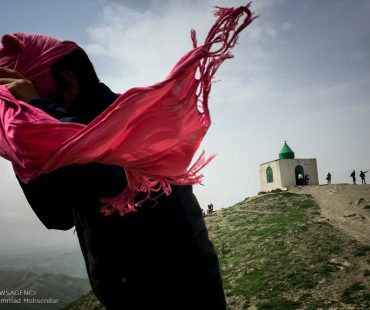
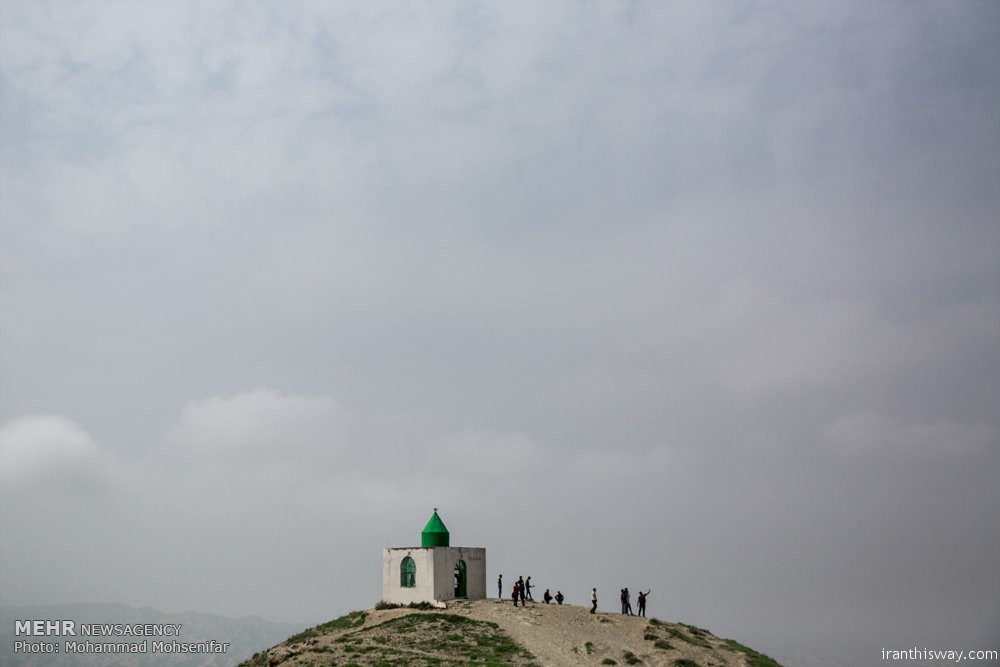
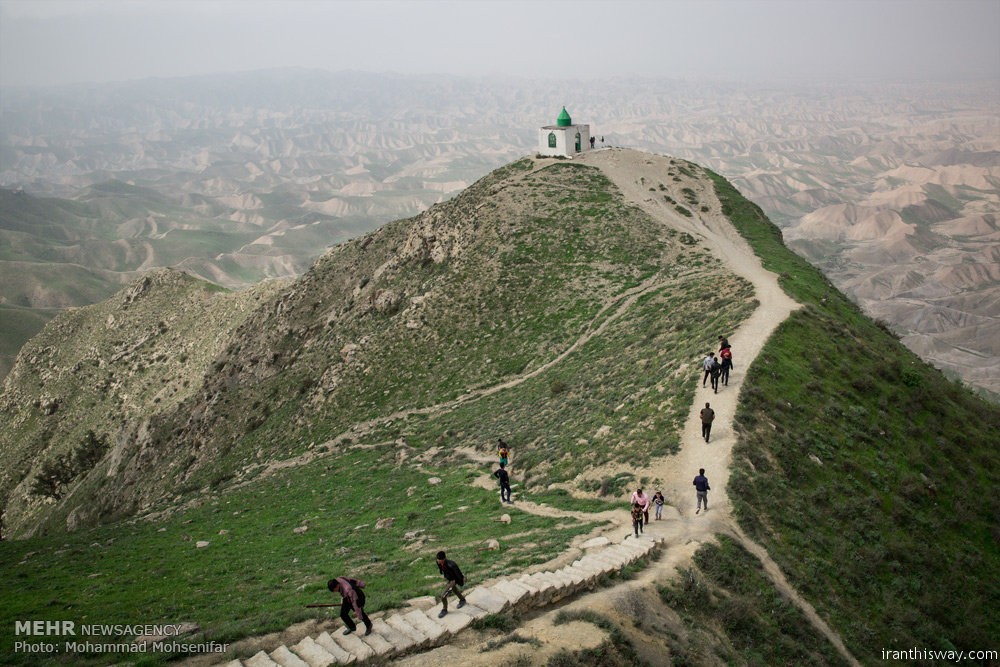
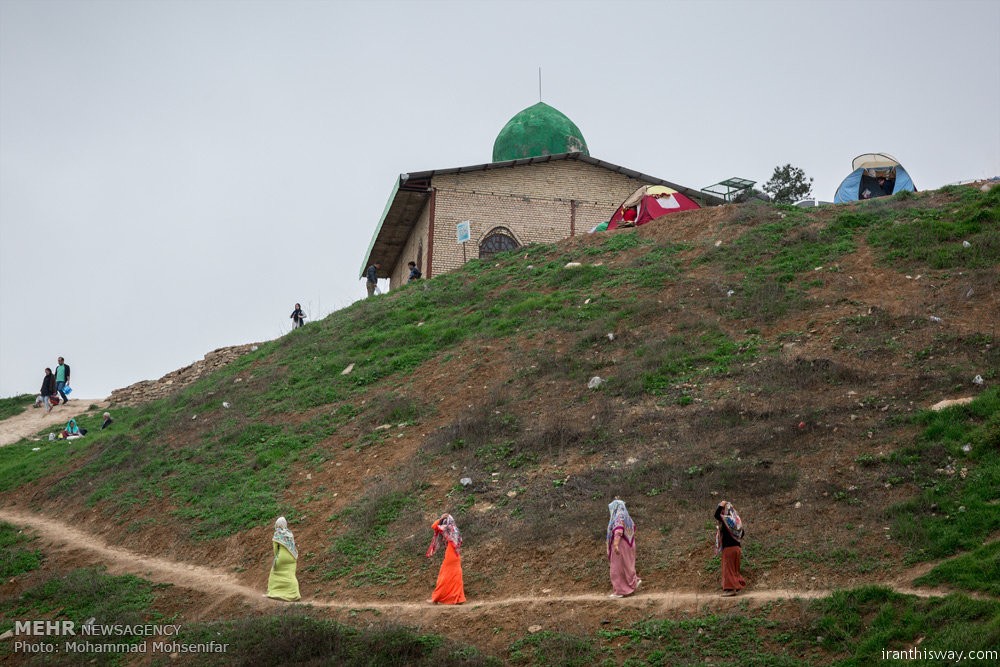
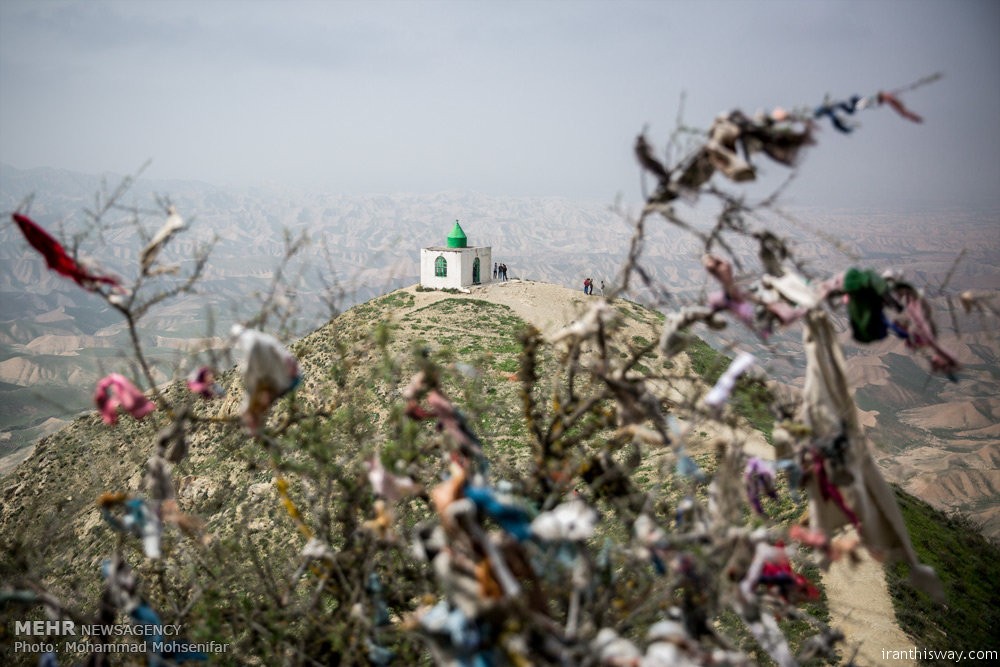
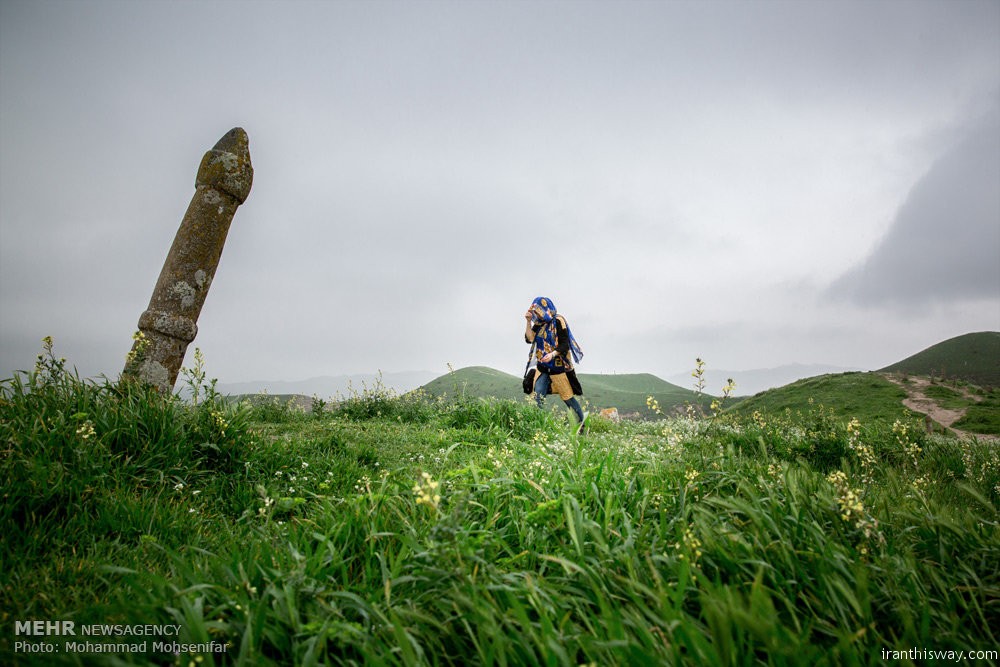
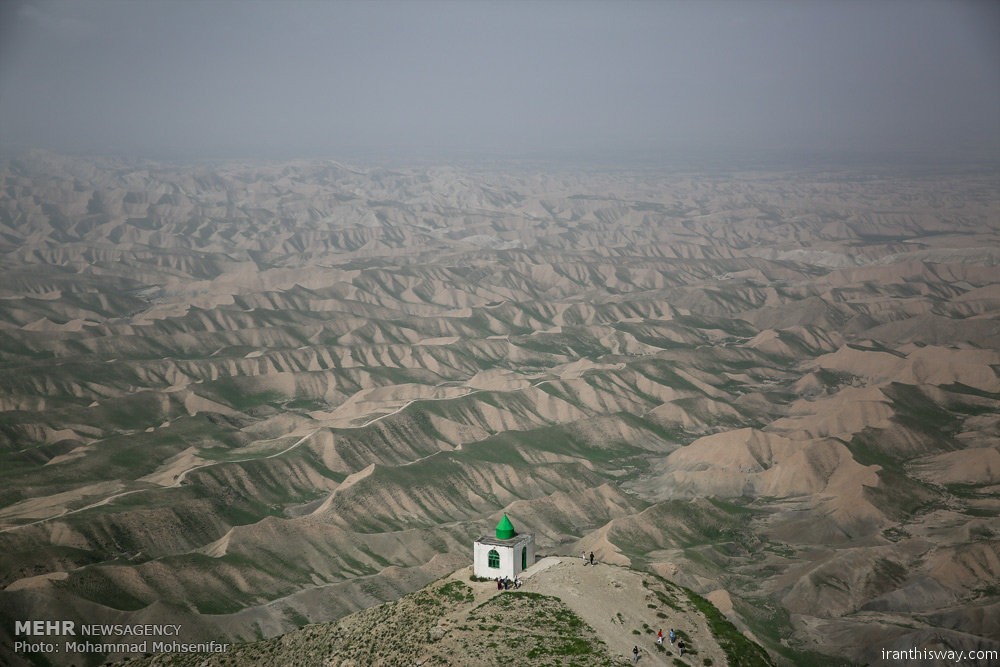
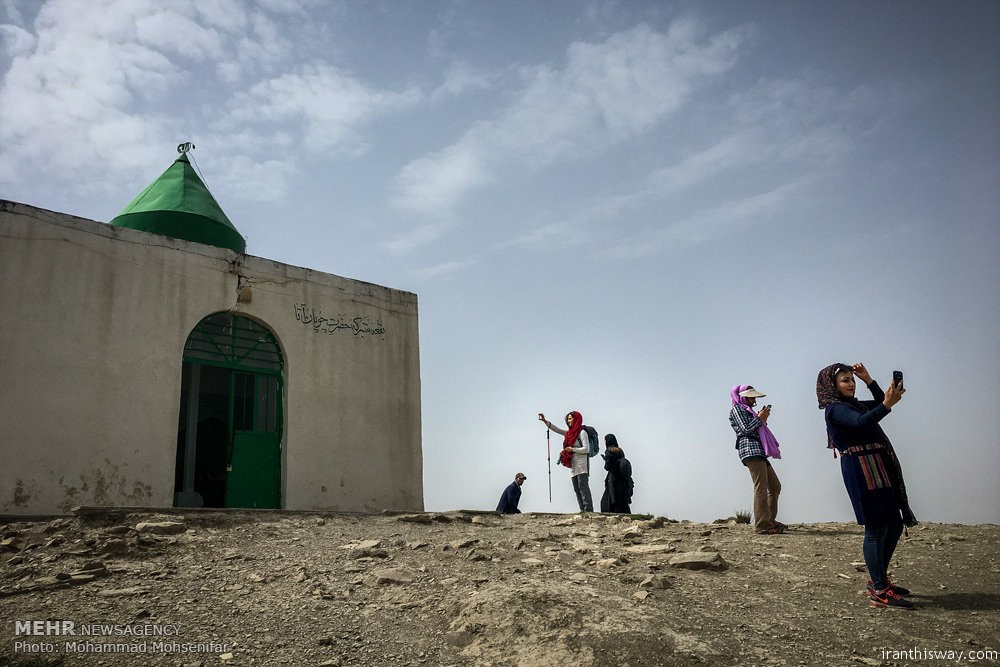
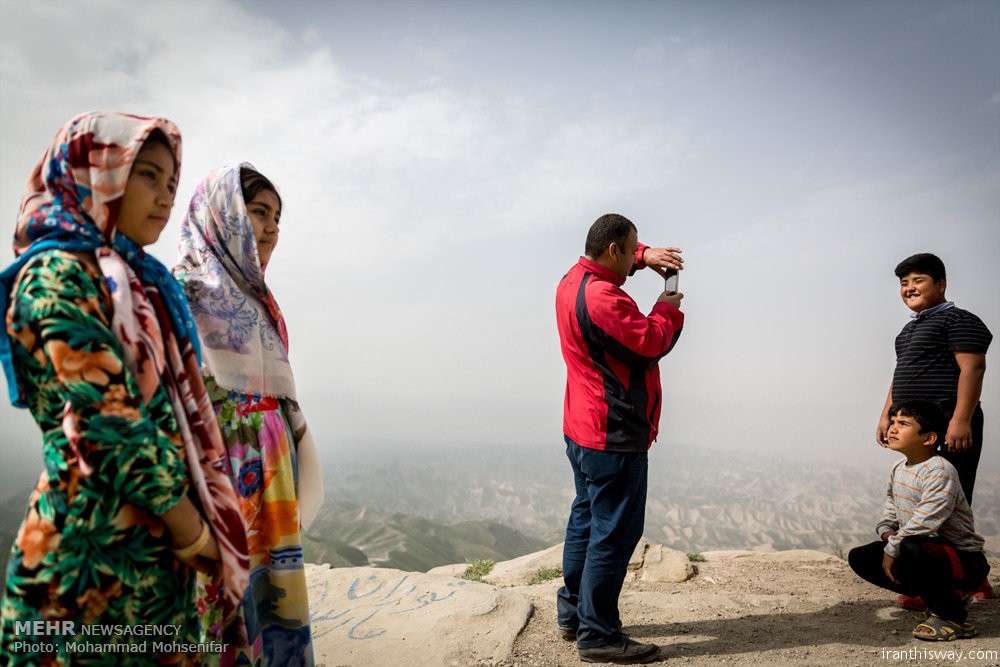
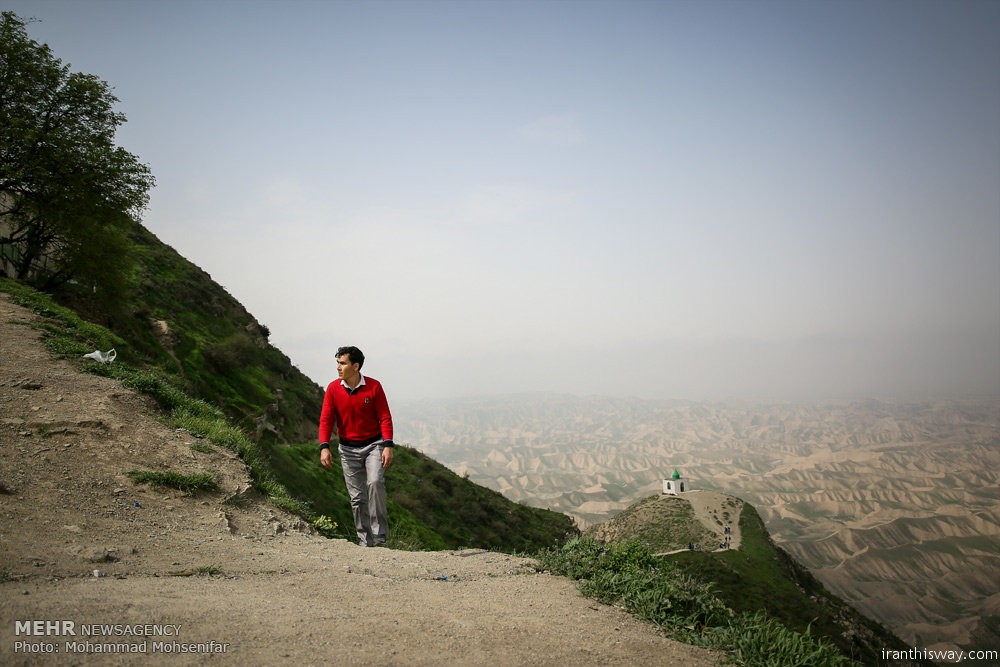
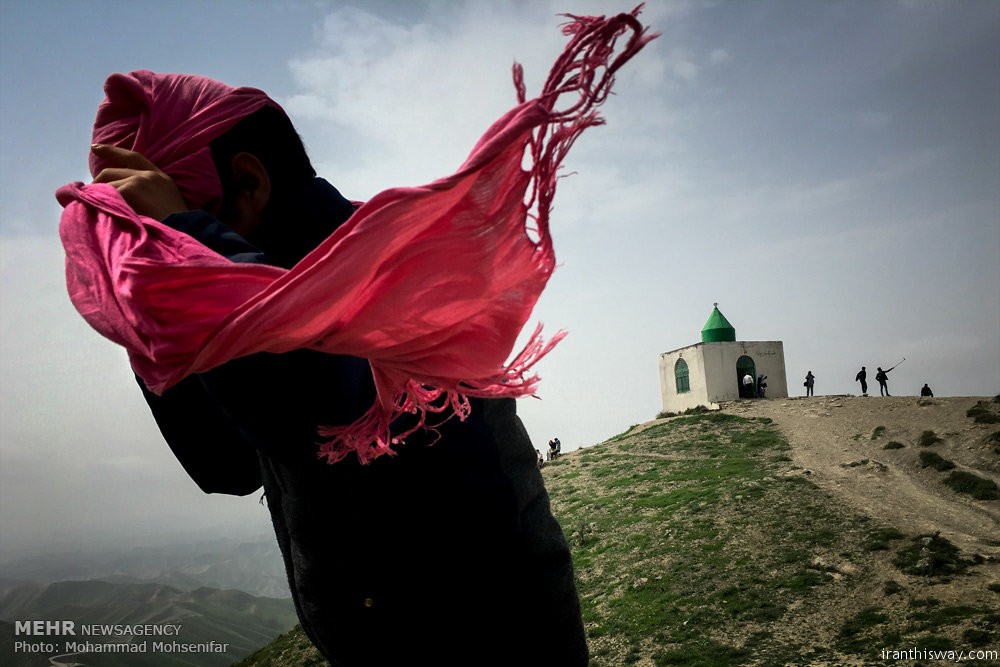
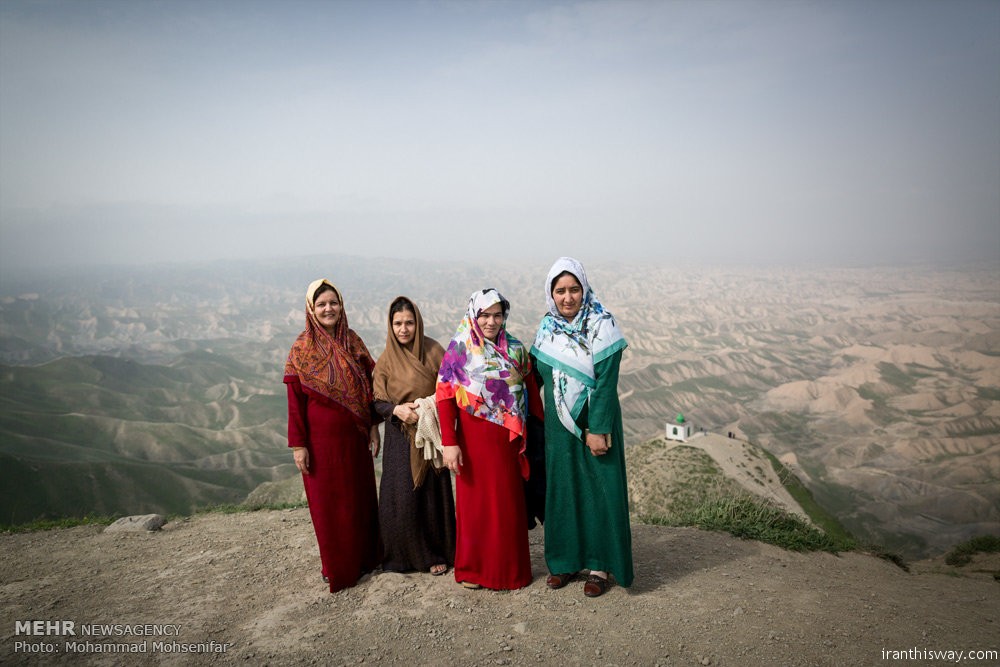
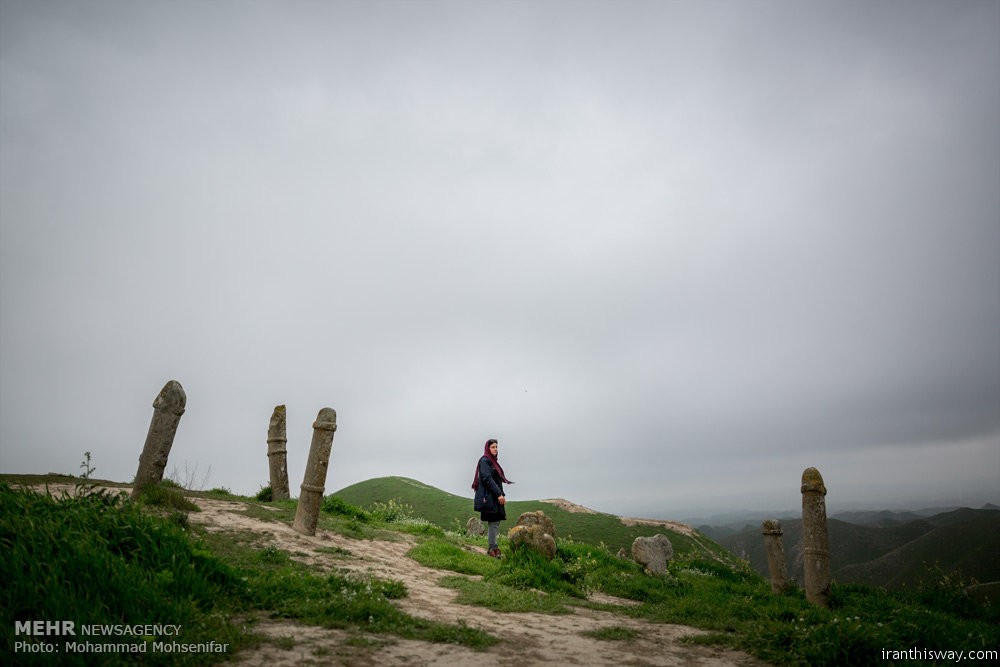
Khalid Nabi Cemetery is located in Golestan province near the border with Turkmenistan. It is mainly situated on a mountain ridge about 1 km distance from the mausoleum called “Khaled Nabi” who according to oral tradition of the Yomut Turkomans was a pre-Islamic prophet and whose mausoleum is visited by them for pilgrimage together with the neighboring one of Ata Chofun (Father Shepherd), his son-in-law.
About Golestan
Golestan province is located on the south eastern shore of Caspian Sea. In general, Golestan has a moderate and humid climate known as “the moderate Caspian climate”. The effective factors behind such a climate are: Alborz mountain range, direction of the mountains, height of the area, neighborhood to the sea, vegetation surface, local winds, altitude and weather fronts. As a result of the above factors, three different climates exist in the region: plain moderate, mountainous, and semi-arid. Gorgan valley has a semi-arid climate. The average annual temperature is 18.2 Celsius and the annual rainfall is 556 mm.
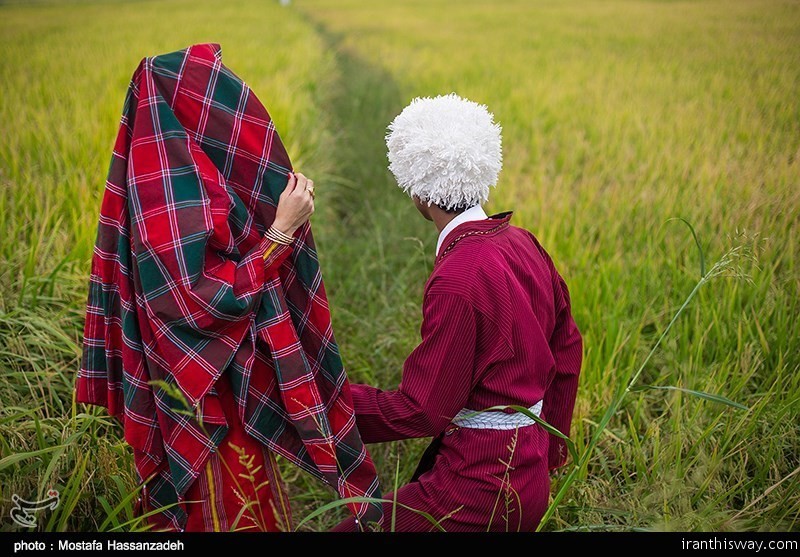
Turkmen people in Bandar Torkaman, a city in Golestan province, 400km (249 Miles) north of the Iranian capital of Tehran, celebrate their weddings based on their centuries-old customs and traditions.
Its capital, Gorgan, is approximately 400 km from Tehran and has an airport and several universities. The Golestan National Park is some 150 km to east of this city.
Gorgan has contributed to the rich literature, poetry and science of Iran and even the world by celebrities such as Abdolqaher Gorgani, Sayed Esmail Gorgani, Mirdamad , Mirfenderski, Asad Gorgani and Esmail Hosseini Gorgâni.
Gorgan and in general Golestan province has a world famous carpet and rug industry. Made by Turkmans, is inherited from the ancient Persian city of Bukhara. Jajim carpets are the exclusives of this province.
The northern cities of Iran, an all time favorite tourist destination, are especially more appealing for a short vacation now, with the nature clothed in a breathtaking display of autumn colors of red and yellow before the pure white of winter sets in.
About Golestan
Golestan province is located on the south eastern shore of Caspian Sea. In general, Golestan has a moderate and humid climate known as “the moderate Caspian climate”. The effective factors behind such a climate are: Alborz mountain range, direction of the mountains, height of the area, neighborhood to the sea, vegetation surface, local winds, altitude and weather fronts. As a result of the above factors, three different climates exist in the region: plain moderate, mountainous, and semi-arid. Gorgan valley has a semi-arid climate. The average annual temperature is 18.2 Celsius and the annual rainfall is 556 mm.
Turkmen people in Bandar Torkaman, a city in Golestan province, 400km (249 Miles) north of the Iranian capital of Tehran, celebrate their weddings based on their centuries-old customs and traditions.
Its capital, Gorgan, is approximately 400 km from Tehran and has an airport and several universities. The Golestan National Park is some 150 km to east of this city.
Gorgan has contributed to the rich literature, poetry and science of Iran and even the world by celebrities such as Abdolqaher Gorgani, Sayed Esmail Gorgani, Mirdamad , Mirfenderski, Asad Gorgani and Esmail Hosseini Gorgâni.
Gorgan and in general Golestan province has a world famous carpet and rug industry. Made by Turkmans, is inherited from the ancient Persian city of Bukhara. Jajim carpets are the exclusives of this province.
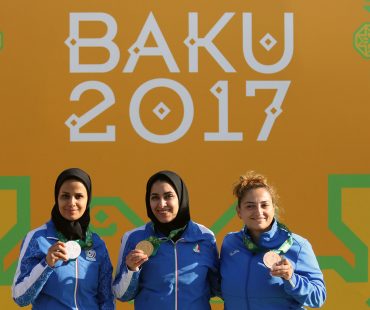
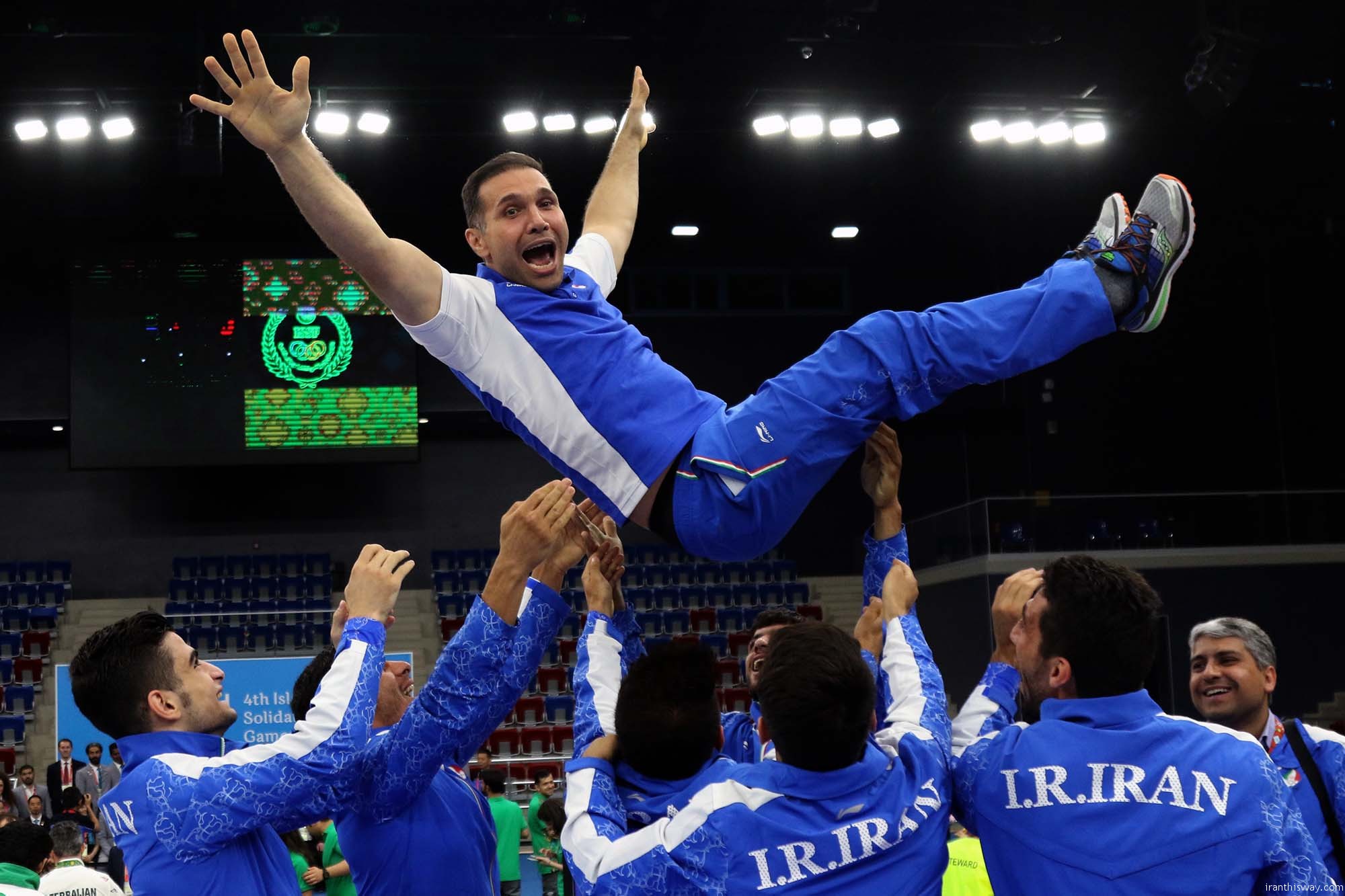
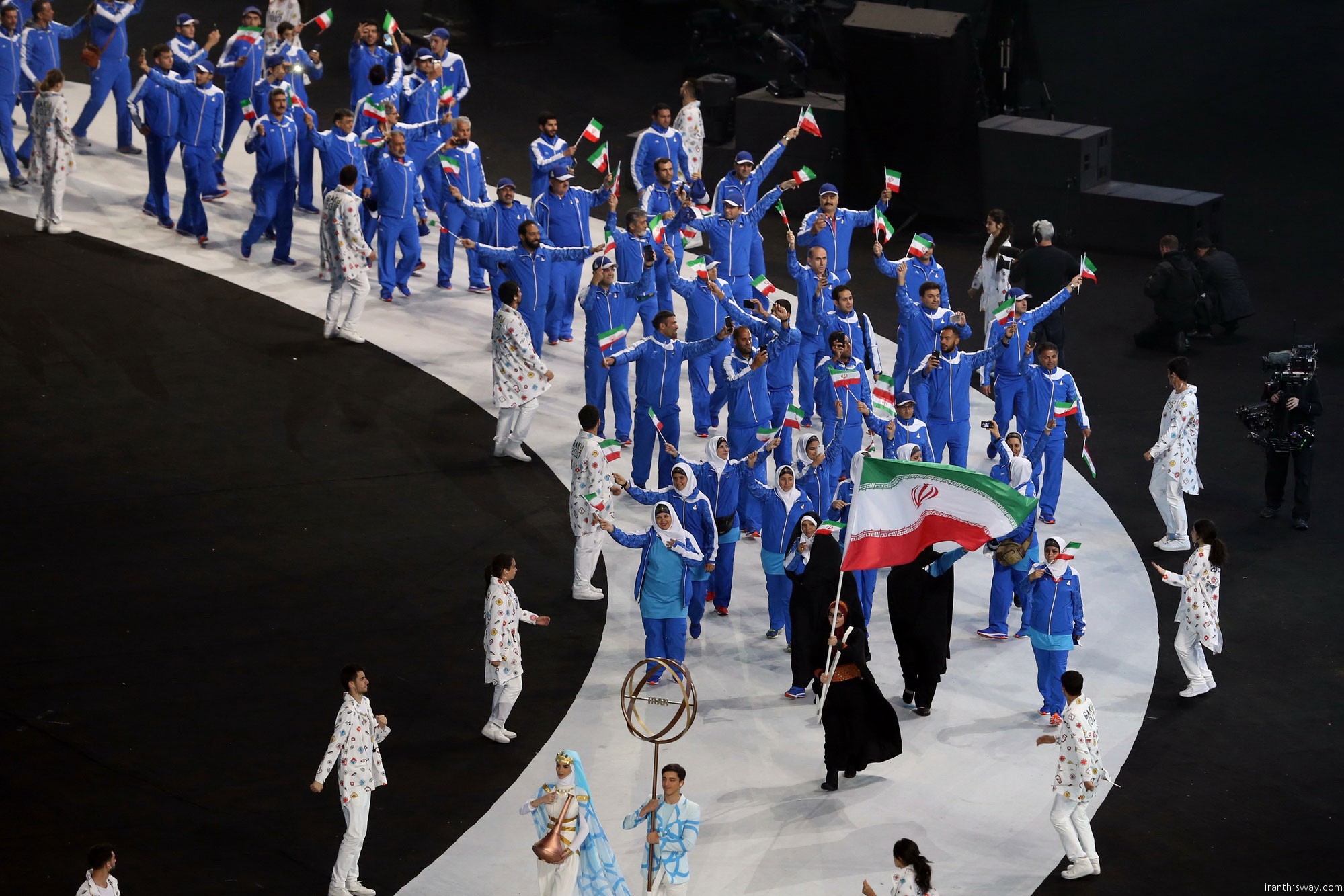
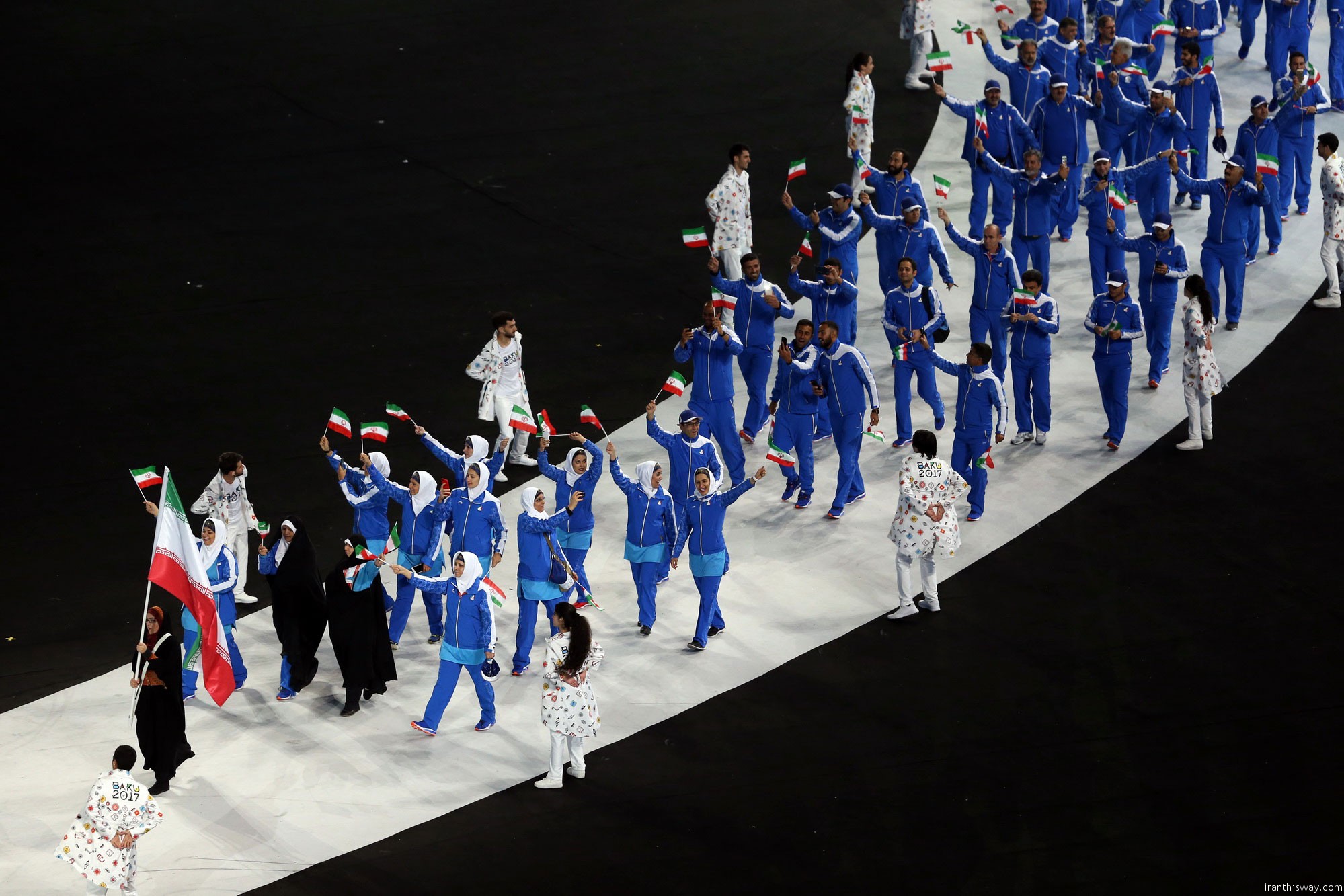
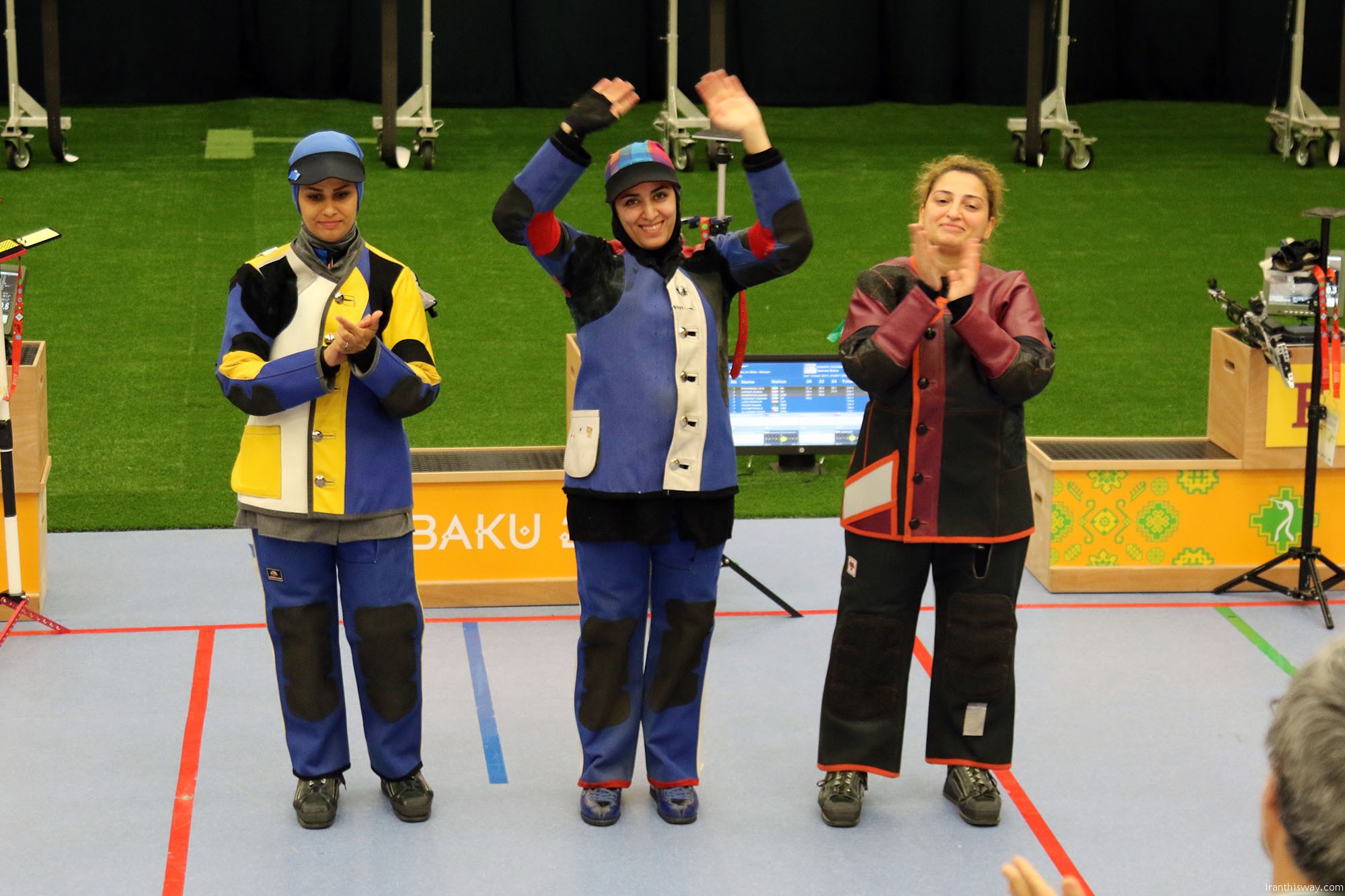
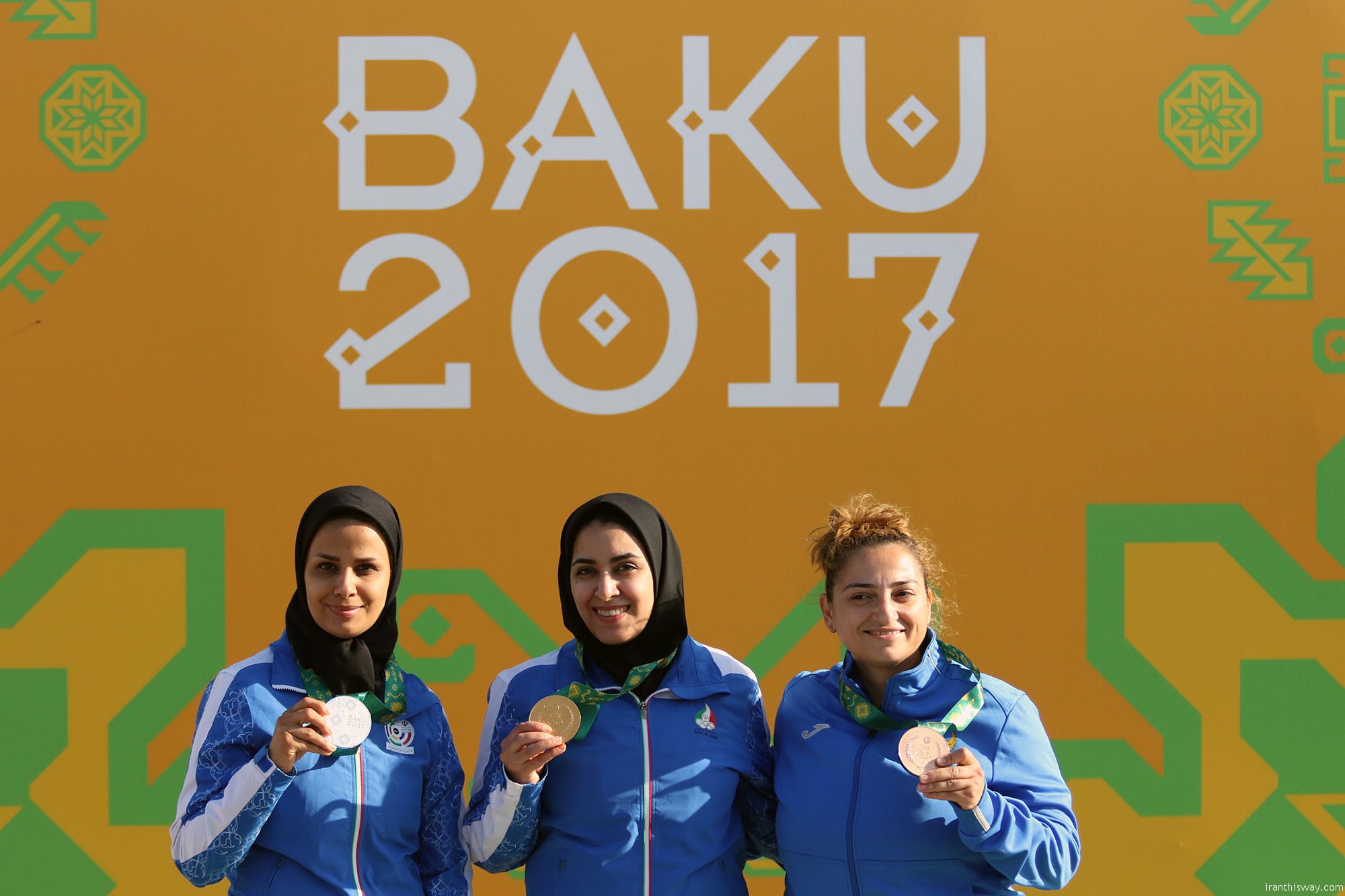
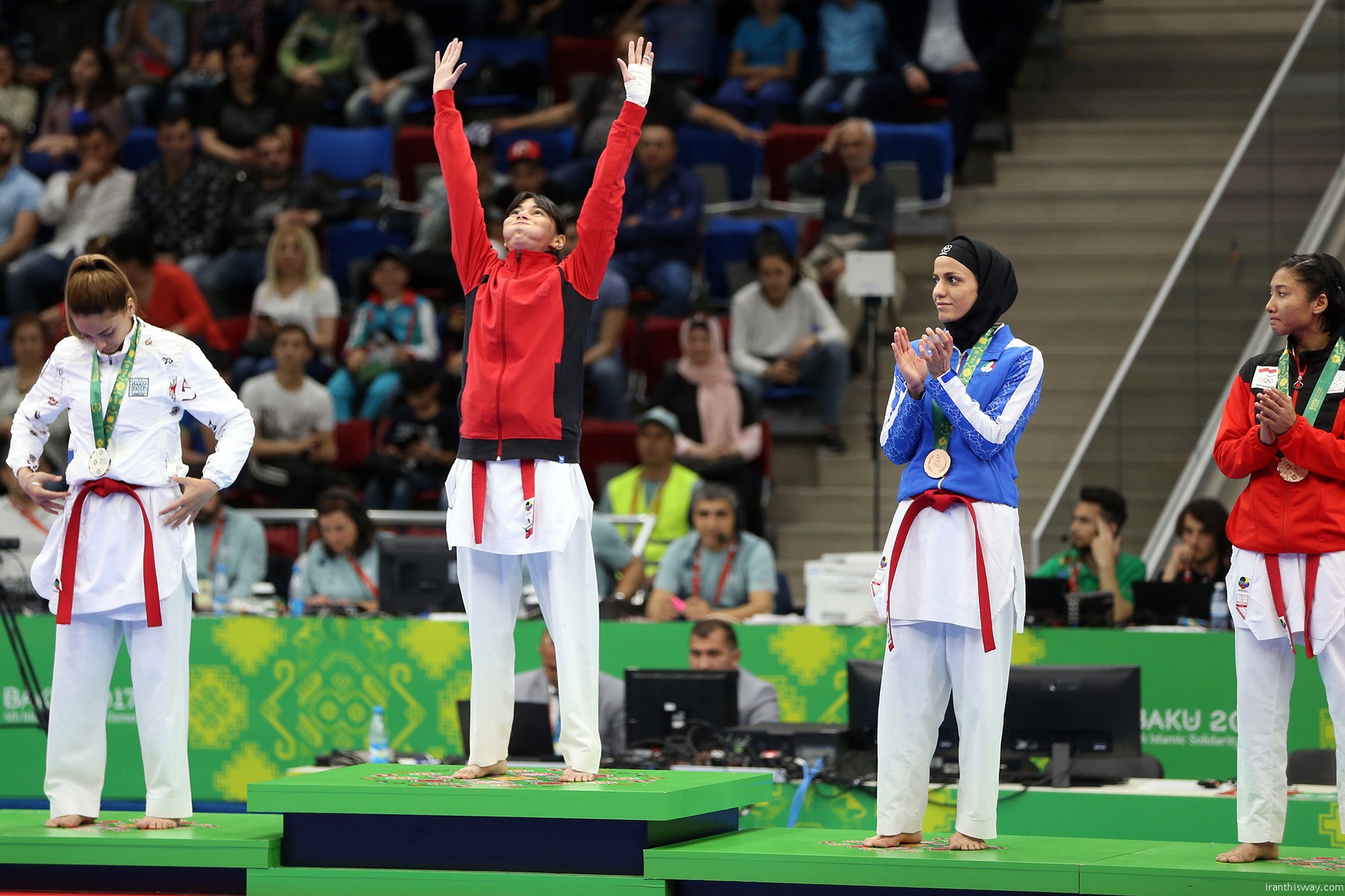
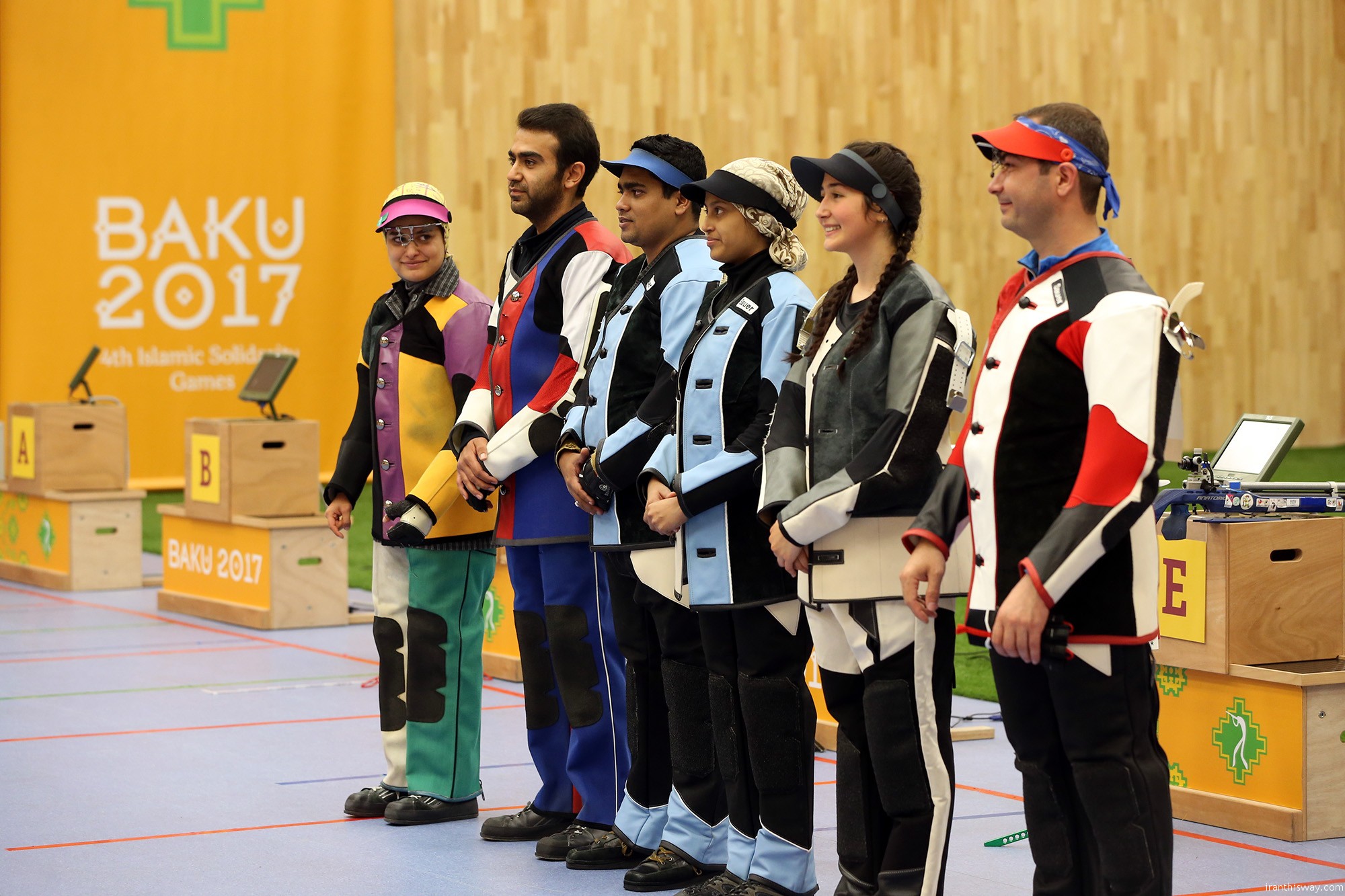
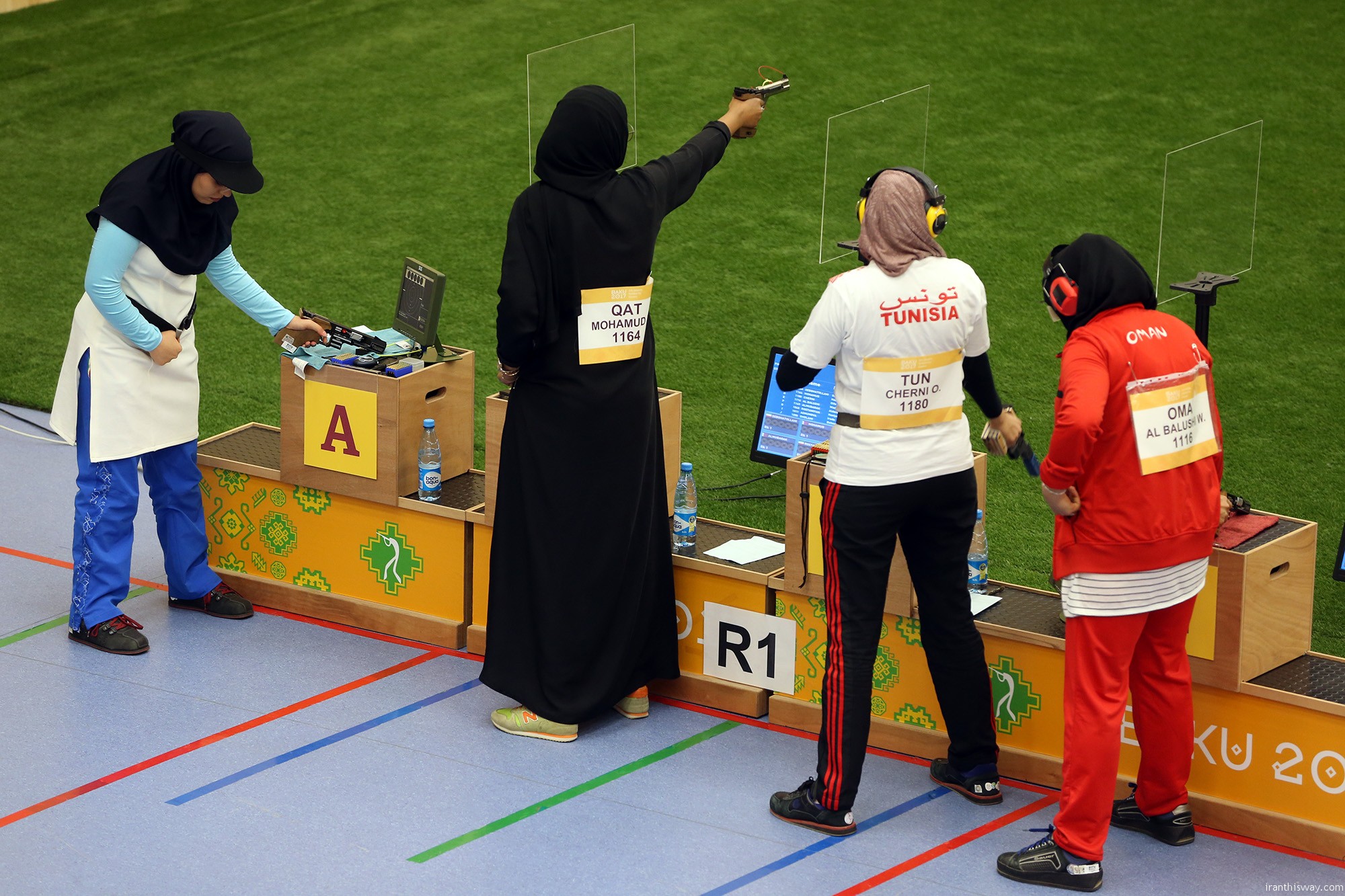
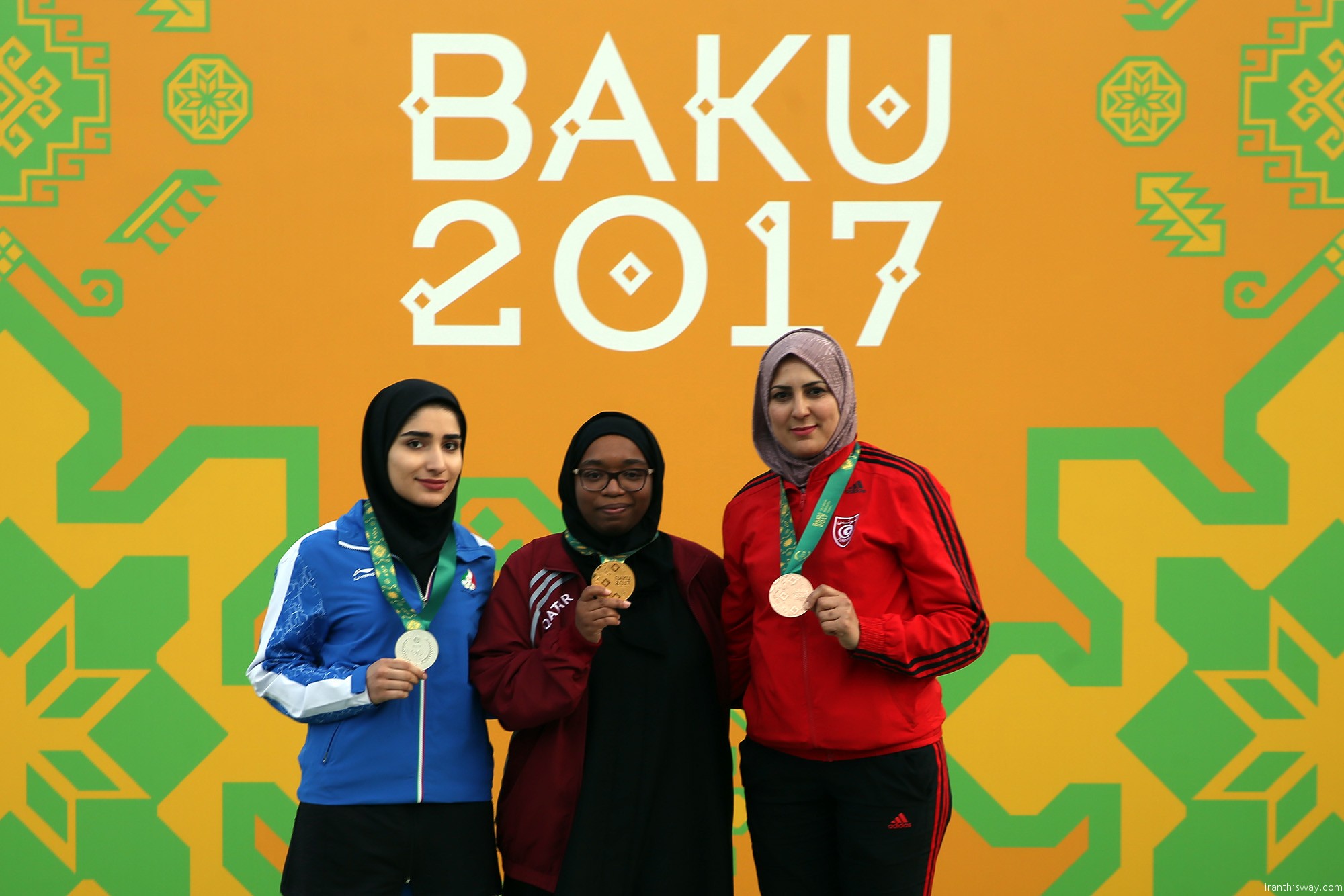
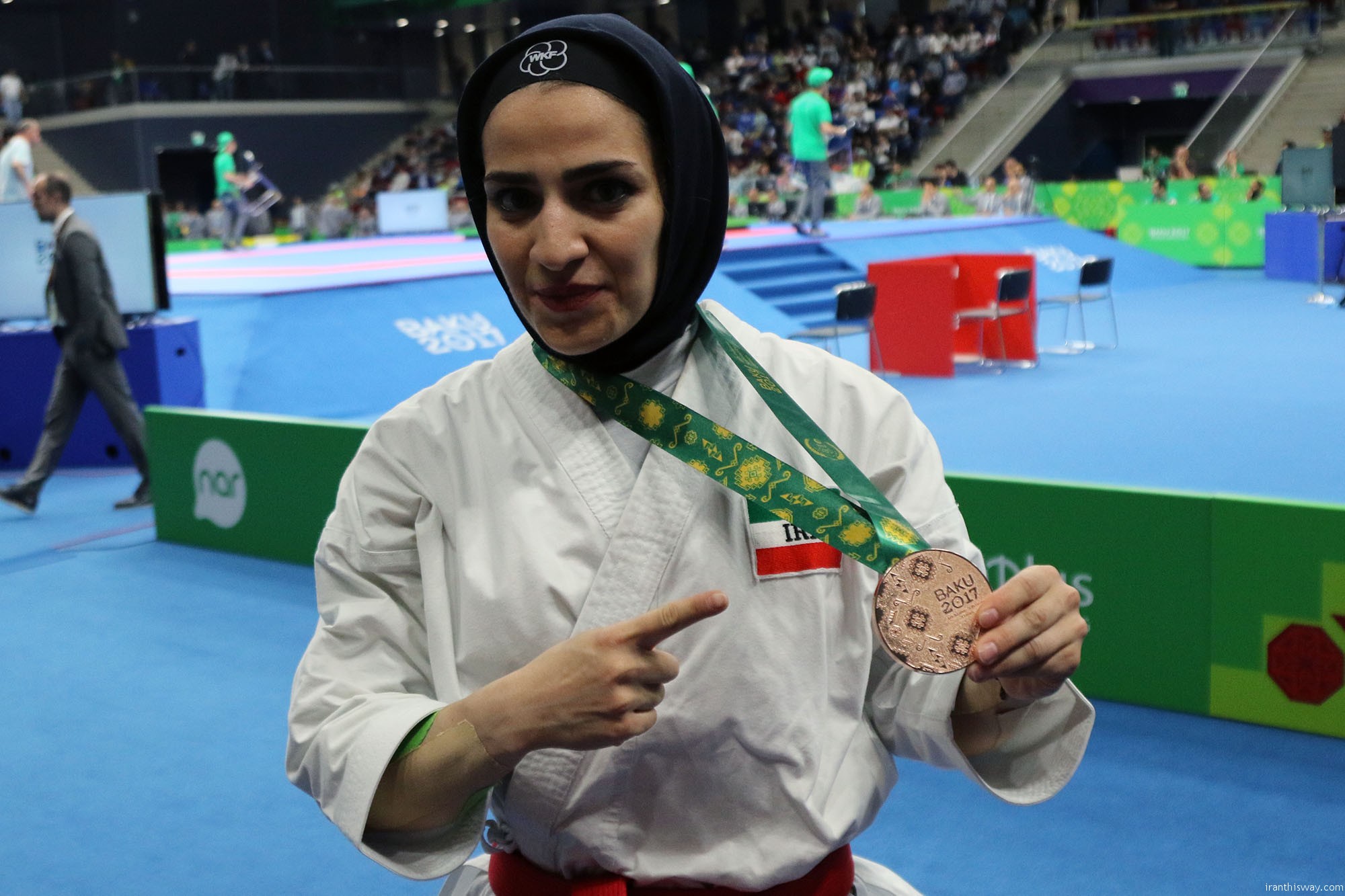
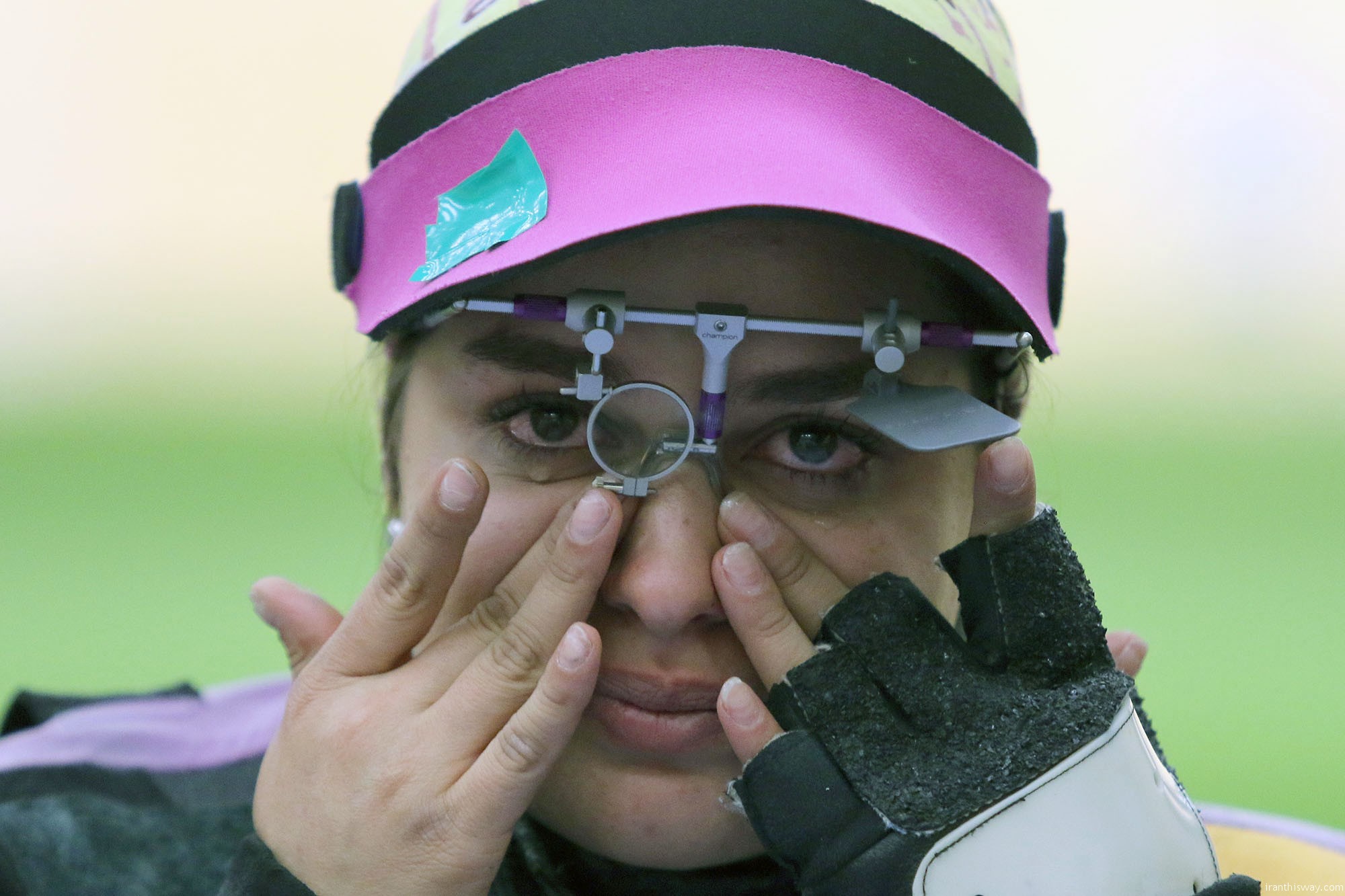
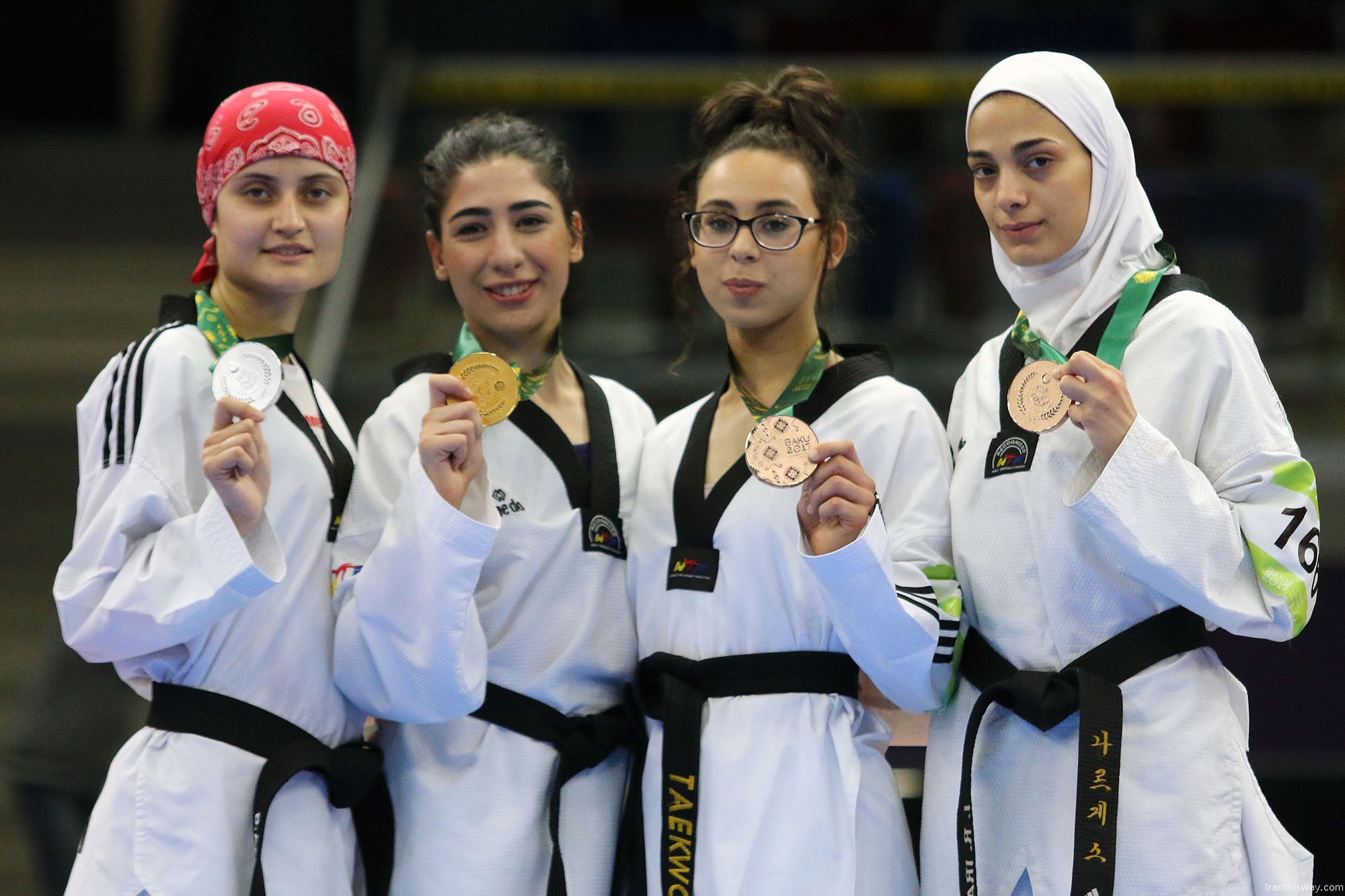
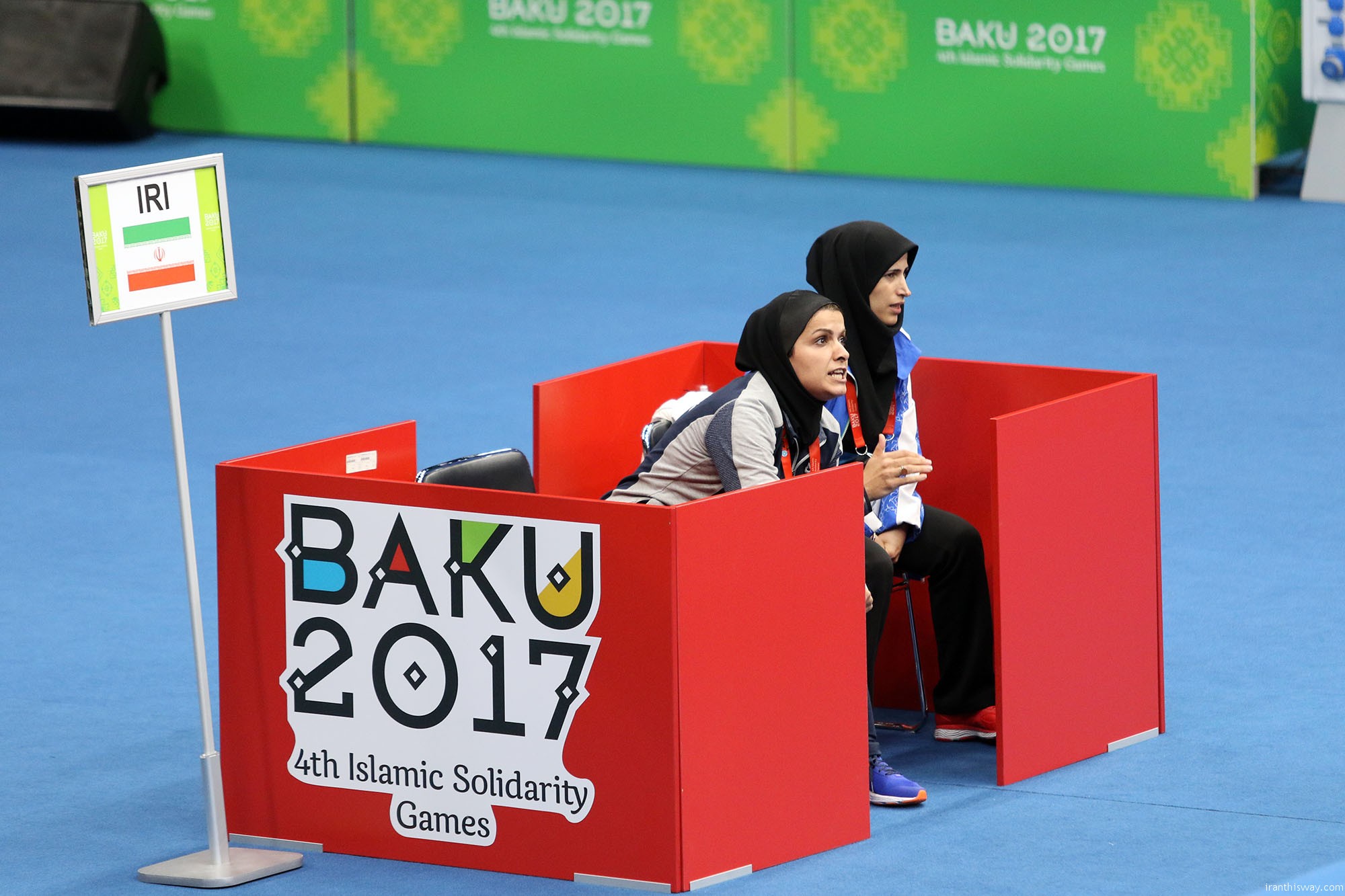
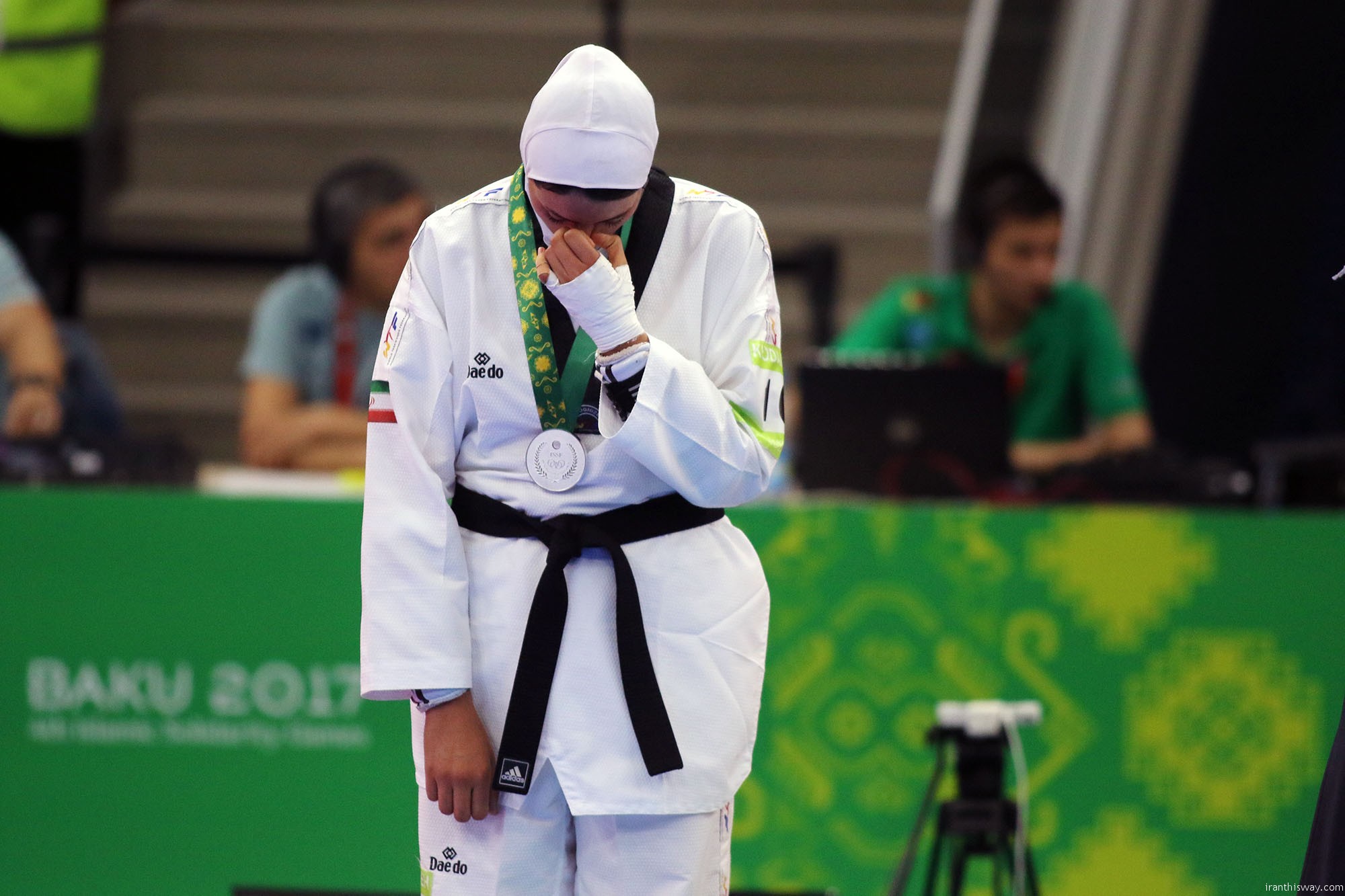
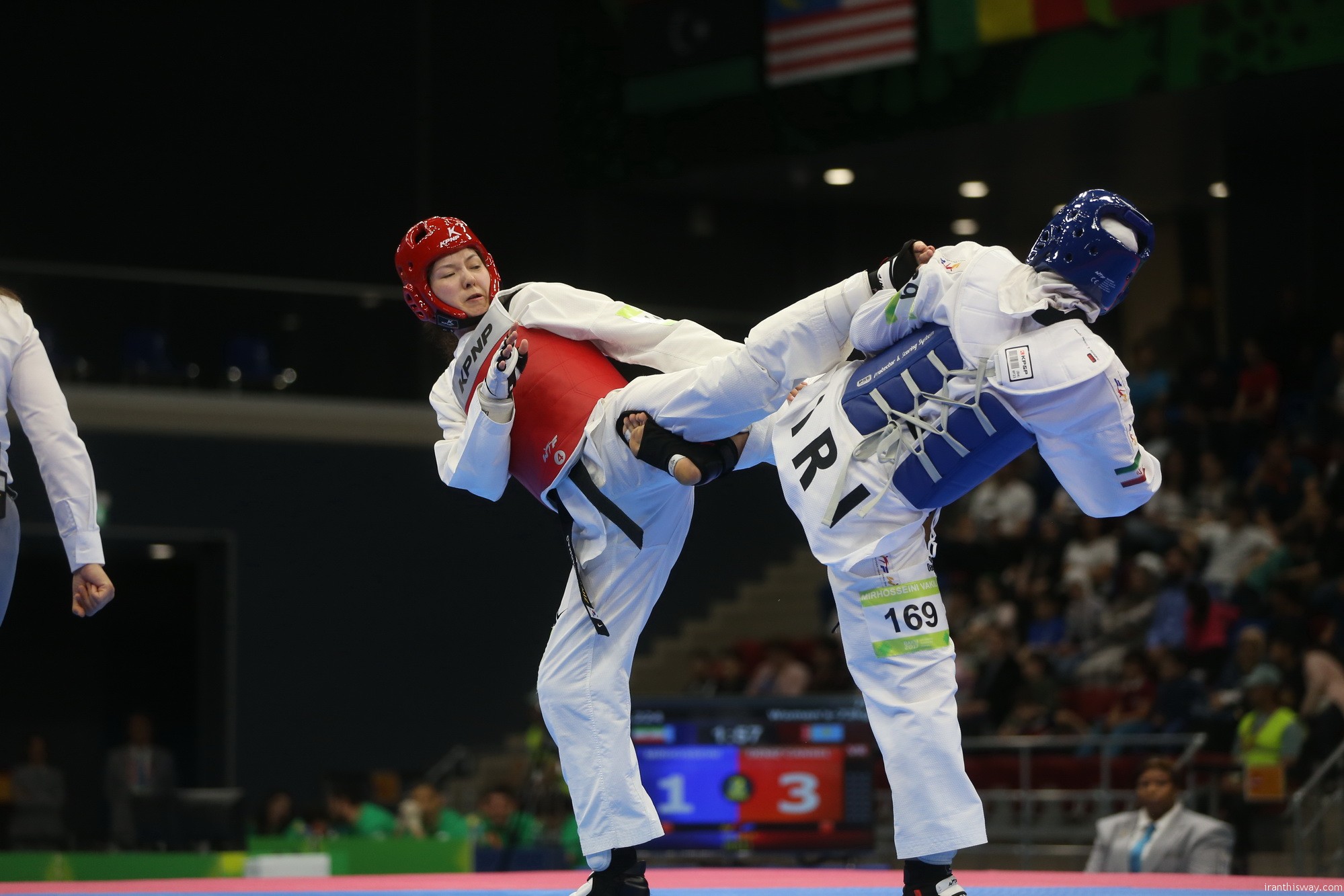
A total of 98 medals wrapped up the participation by Iranian athletes in the 4th Islamic Solidarity Games in the capital city of Azerbaijan, Baku.
The final day of the competition yielded 14 gold medals for Iranians taking the overall tally to 39 golds.
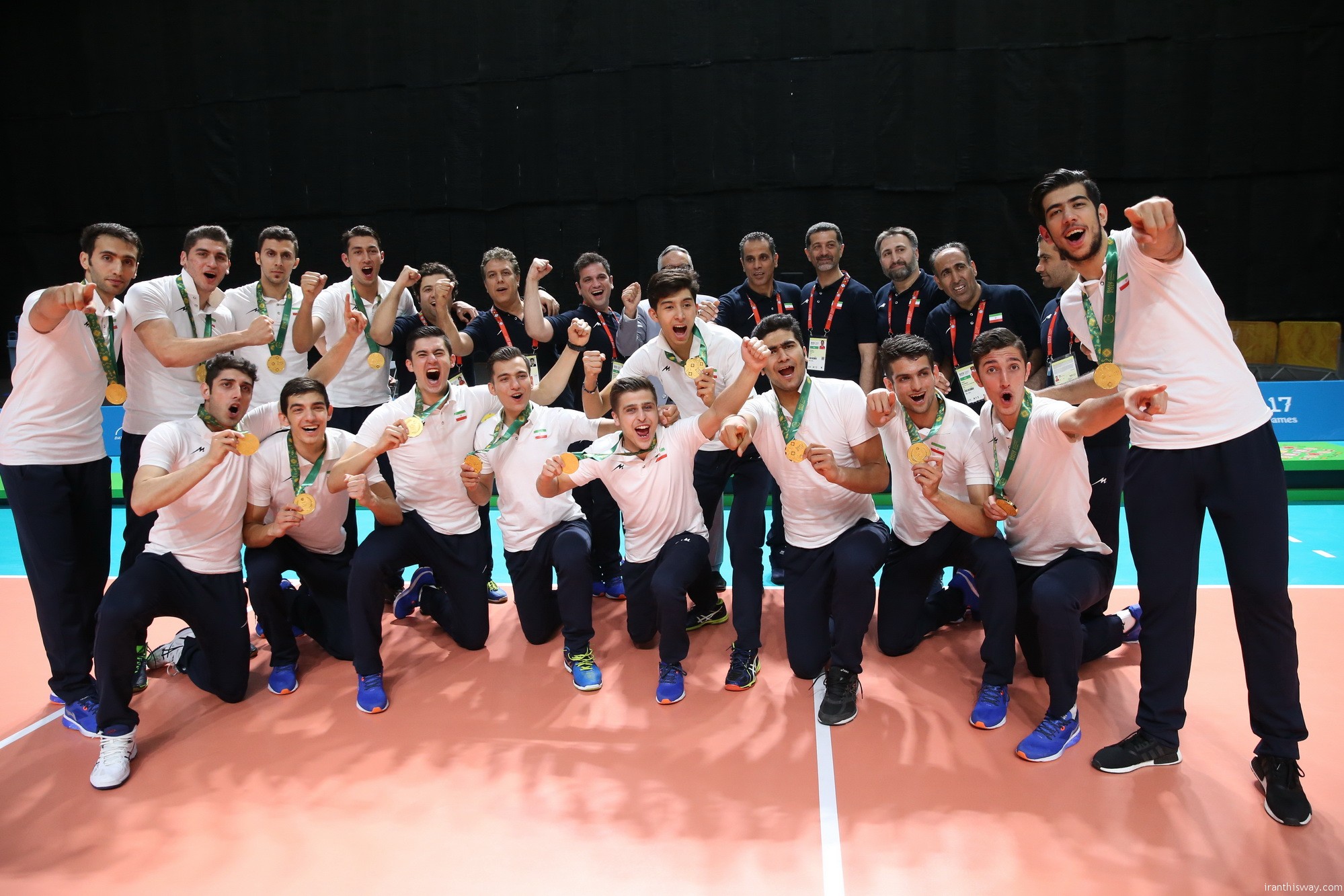
On Sunday, the Iran men’s youth volleyball team registered an emphatic win by seeing off the Azerbaijani squad 3-0, with the set scores of 25-16, 29-27 and 25-18 in the title match played at the Crystal Hall 1in Baku.
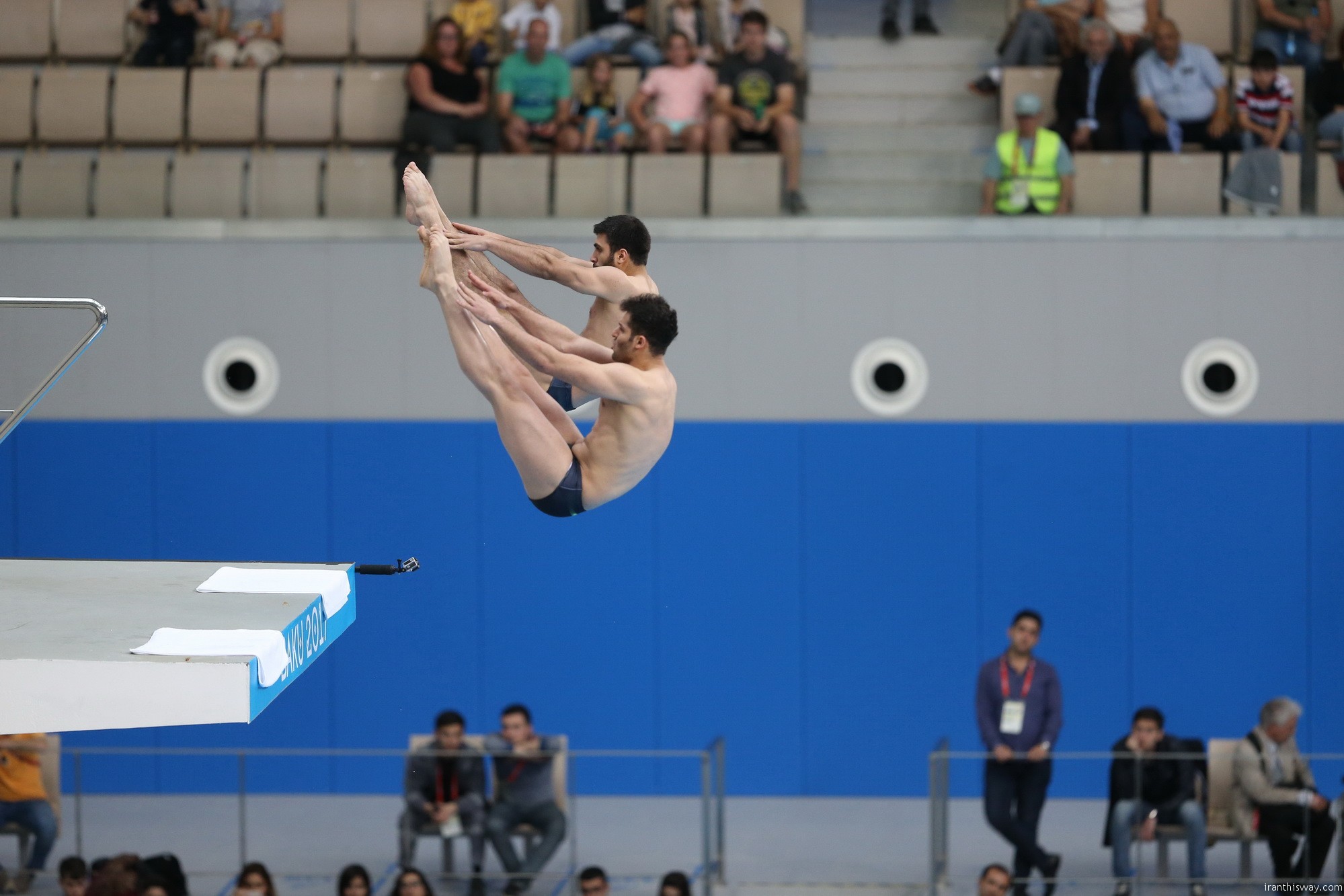
The Iranian pair of Shahnam Nazarpour and Mojtaba Valipour also clinched a gold medal in the final heat of men’s 10m synchronized platform, having tallied 326.04 points.
They were followed by Artem Danilov and Dmitriy Sorokin from Azerbaijan, who earned 265.11 pts. The Iraqi divers Hussein al-Elayawi and Hussein al-Maliki landed in the third place with 215.64 pts.
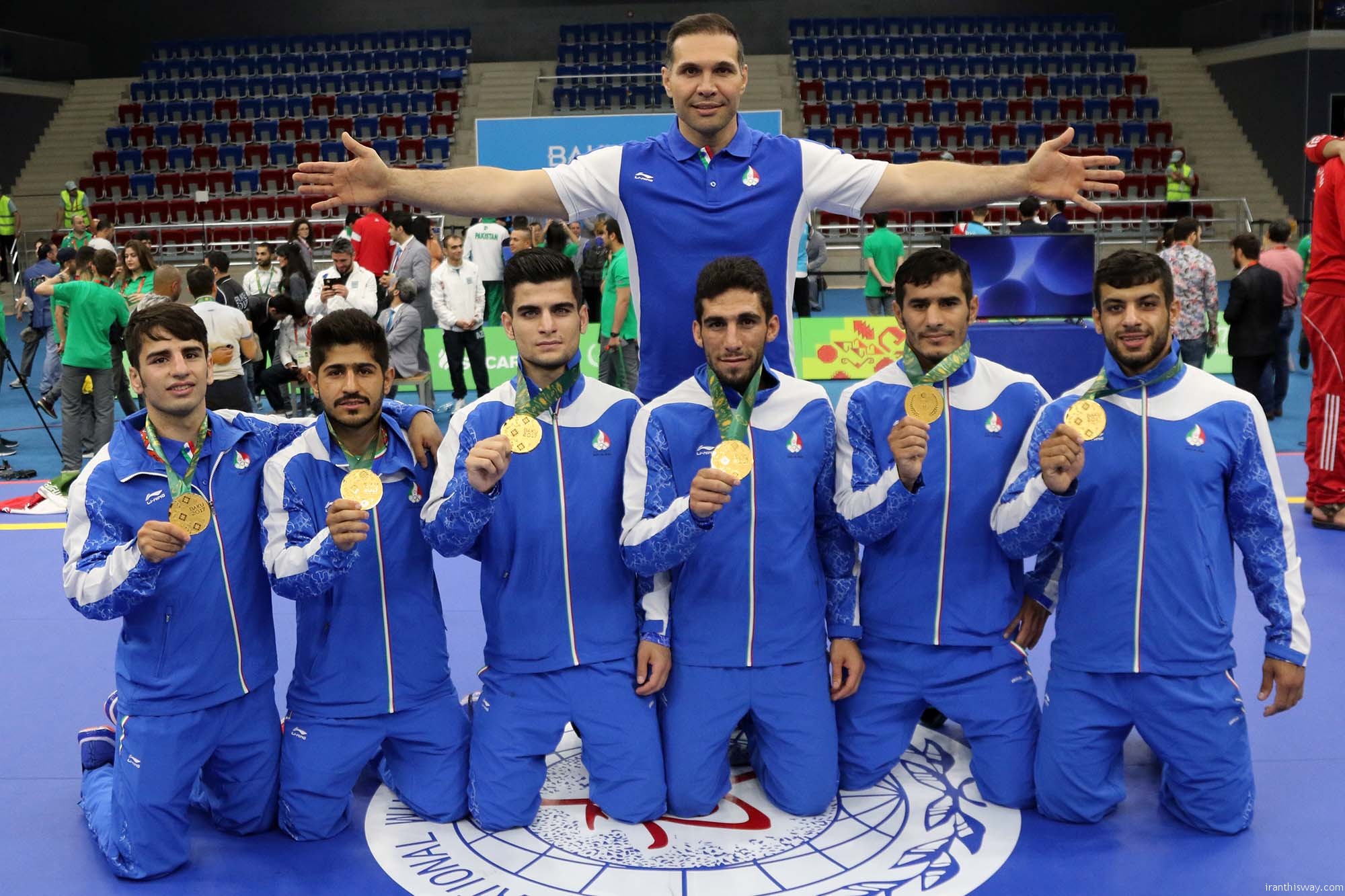
Meanwhile, Iran’s zurkhaneh practitioner Ali Jalijoo received the gold medal in charkhe teez competitions. His Iraqi and Azerbaijani opponents finished second and third respectively.
In the meel bazi division of zurkhaneh, Pejman Sokoonati topped the podium. The Azerbaijani athlete picked up the silver medal, and Afghan competitor took the bronze.
Mohsen Golestanizadeh from Iran stole the show in the kabbadeh contests, and clinched the gold medal. Iraqi and Azerbaijani representatives claimed the silver and bronze medals respectively.
In the charkhi chamani, Ali Jalijoo finished in the first spot. Azerbaijani contestant and the athlete from Afghanistan claimed the second and third places.
Mostafa Mofid added another gold medal to Iran’s medal tally at the games with his impressive performances in meel sangin contests. Iraqi and Azerbaijani contesters claimed the silver and bronze medals respectively.
Iranian Mobin Zibalagha managed to win a silver medal in the sang competitions. Rufat Gulaliyev from Azerbaijan snatched the gold medal and Tajikistani athlete got the bronze.
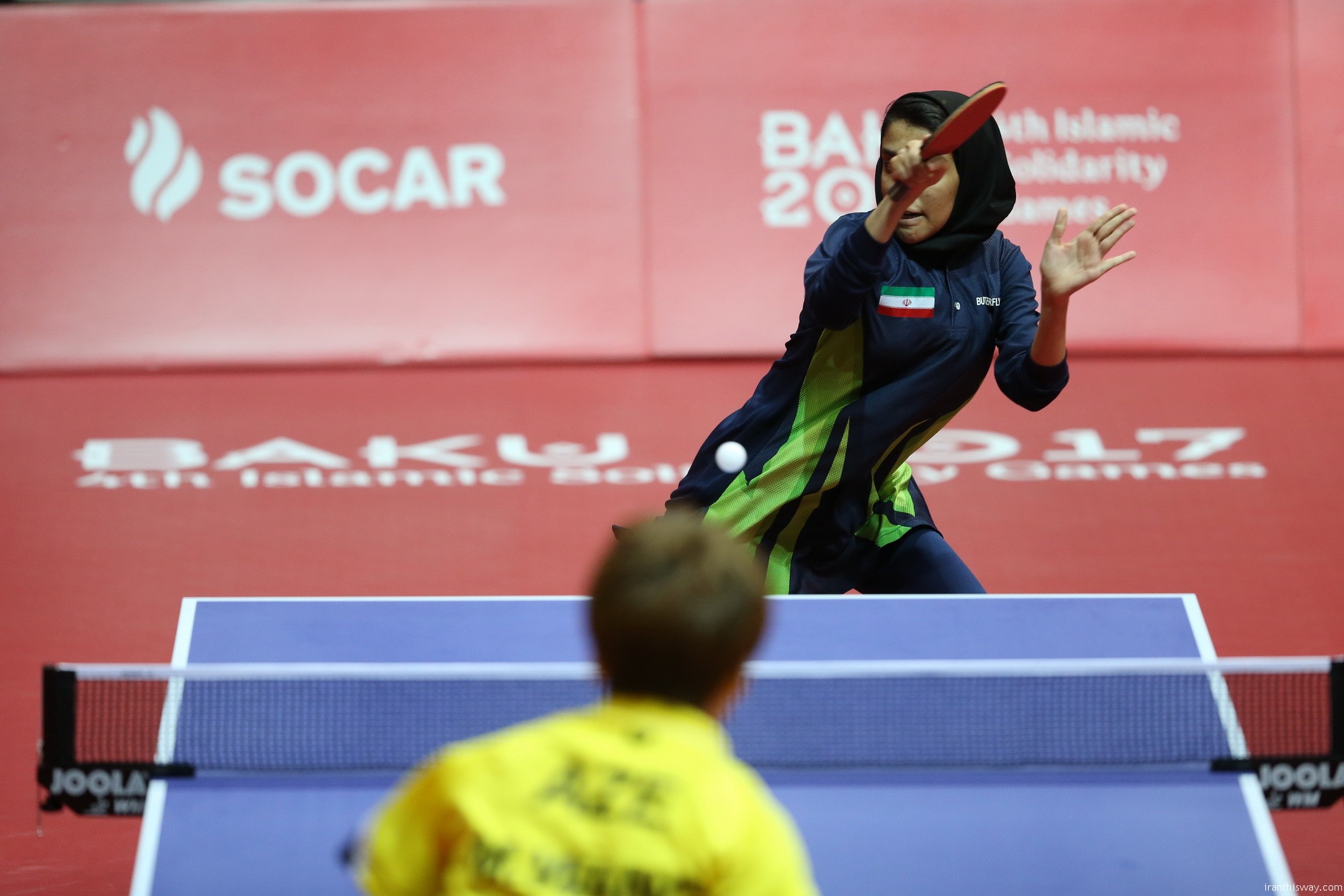
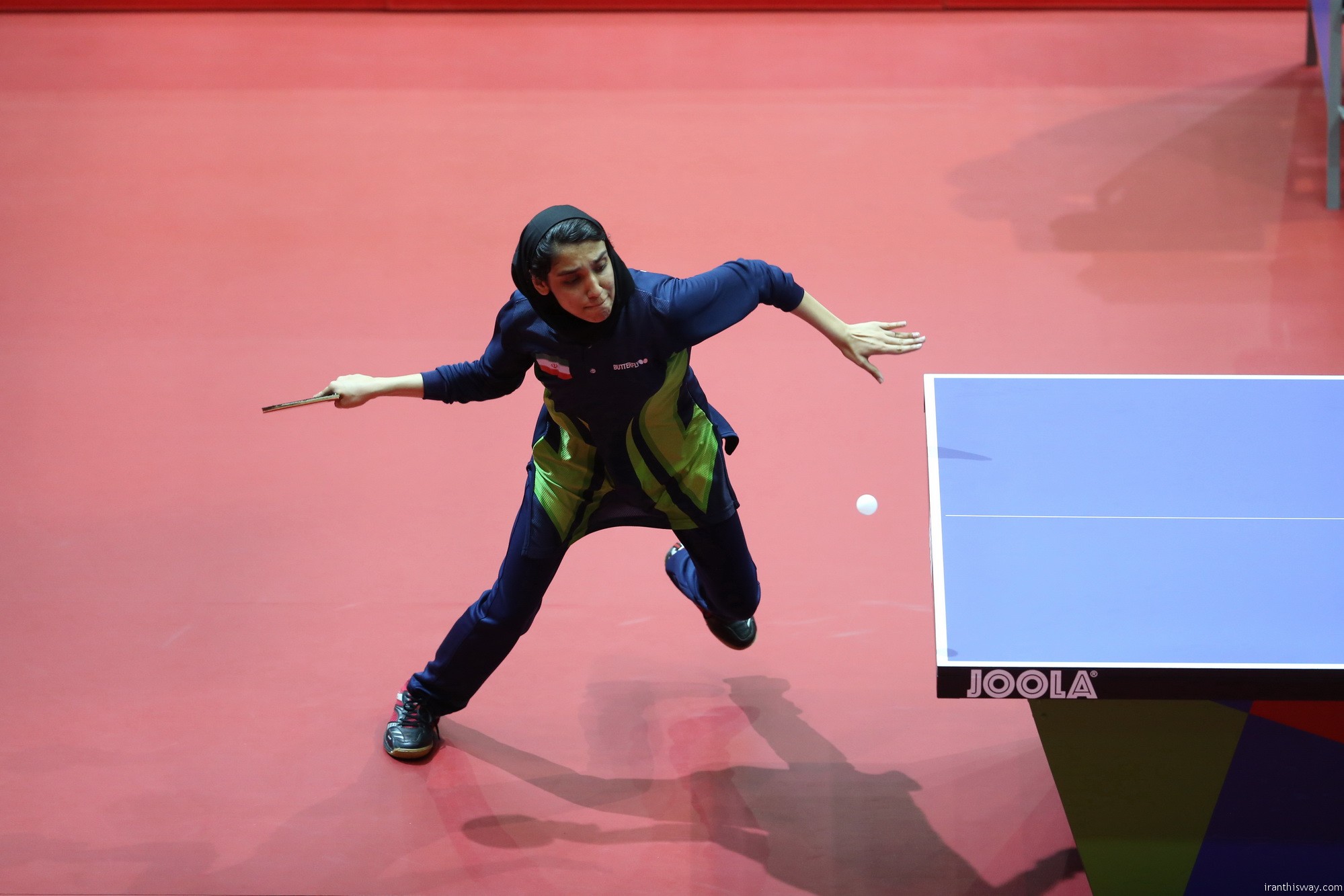
Elsewhere in table tennis, Iranian team comprised Neda Shahsavari, Mahshid Ashtari, Maryam Samet and Saba Safari claimed a prestigious gold medal in women’s team contest overcoming the host team by a 3-1 score line in the final. Turkey grabbed the bronze.
Also in table tennis Iranian men’s team (Noushad and Nima Alamian, Afshin Norouzi and Amin Ahmadian) defeated Turkey in men’s team final game 3-1 to grab the gold medal. Azerbaijan finished third.
Iranian athletes took the center stage in wushu competitions as they clinched six gold medals. Moein Hajizadeh overcame his Turkish opponent in the men’s 52kg final to claim the gold medal.
Mahdi Mohammadi grabbed the men’s 56kg gold medal overcoming his Azerbaijani contender in the final contest. Iranian 60kg contester Erfan Ahangarian beat Tunisian Athlete in the final to take the gold medal.
Also in wushu games, Foroud Zafari grabbed the gold medal after beating host’s representative in men’s 65kg final. Saied Fazeli was also a gold medalist in wushu, overcoming his opponent from Azerbaijan in men’s 70kg final contest. Last gold medal of wushu competitions went to Iranian 75kg representative Yazdan Mirzaei as he beat the Egyptian contender in the battle for gold.
4th edition of Islamic Solidarity Games finished on Monday May 22 with the closing ceremony held in Baku, Azerbaijan.
Iranian athletes finished the competitions with 39 golds, 26 silver and 33 bronze to take the third place in overall medals table of the games.
Host country Azerbaijan and Turkey finished first and second respectively.
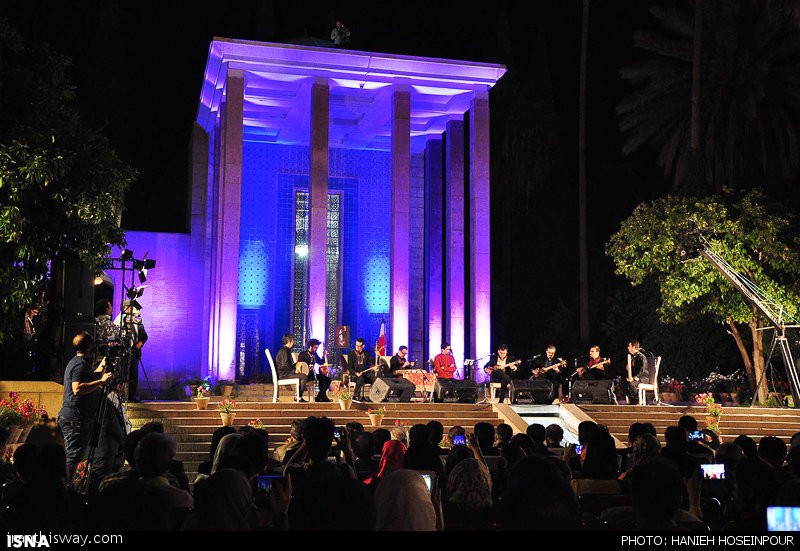
Tributes will be paid to the great Persian poet Sa’di Shirazi in a ceremony at his tomb in Shiraz, Fars Province on April 21 which is observed as National Sa’di Day.
There are several programs to commemorate the world-famous Persian poet Sa’di. President Hassan Rouhani will attend the ceremony in Shiraz on April 20 and 21 to speak about the poet.
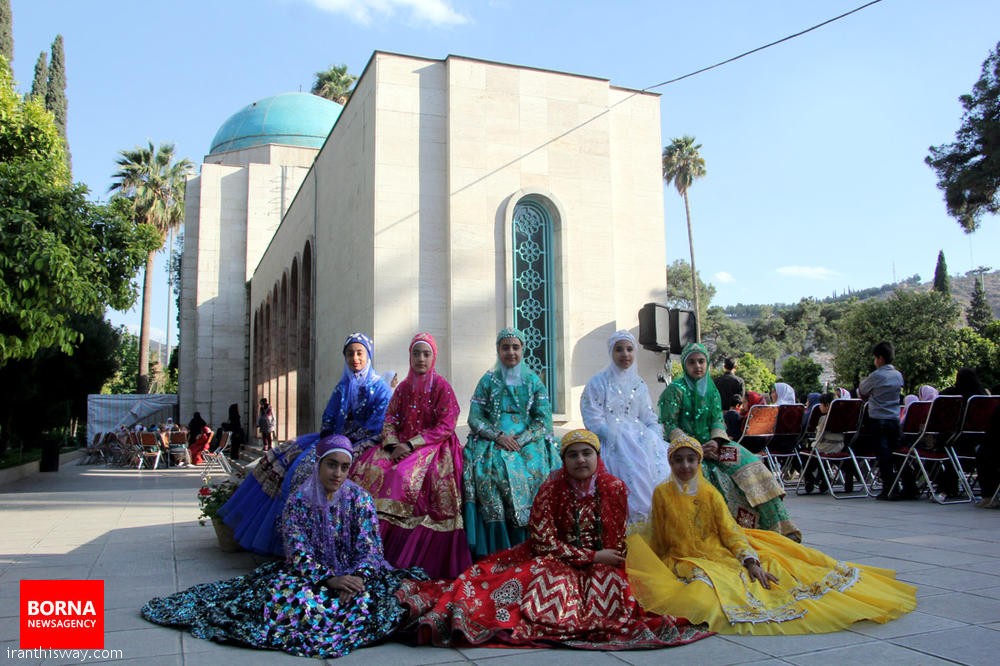
Among the programs are appreciating a number of Sa’di experts.
Meanwhile, a number of Iranian and Tajik literati are to gather at the Tajikistan Academy Theater of Lakhuti in Dushanbe today to commemorate Sa’di.
The guests are to discuss Sa’di’s role in the development of Persian literature in Tajikistan, the Iranian cultural attaché’s office in Dushanbe said in a press release on Friday.
Scholars attended a seminar in Tehran on Sa’di and prominent French poet and novelist Victor Hugo.
Tehran’s Book City Institute hosted a meeting on Sa’di and Hugo (1802-1885) in on April 18 and 19.
Director of the Iranian Academy of Persian Language and Literature Gholam Ali Haddad-Adel, delivered a keynote speech at the event.
Iranian literati, including Mir Jalaleddin Kazzazi, Ahmad Samiei Gilani, Fatemeh Eshqi, Tahmoures Sajedi, Fereydoun Majlesi, Asghar Nouri and French scholar Jean-Marc Hovasse spoke about the two prominent poets at the event.
The event was organized jointly by Sa’di Foundation in Tehran and Iran’s cultural office in France, as well as the Paris Diderot University to commemorate Sa’di National Day.
Victor Hugo is considered one of the greatest and best-known French writers.
Iranian carpet on UN wall
Also on Wednesday, Iranian Foreign Minister Mohammad Javad Zarif recounted the story of an Iranian carpet adorned with a famous poem by Sa’di on a wall of the United Nations headquarters.
According to IFP, in a note posted on his Instagram page to mark Sa’di National Day (April 21) ahead of the event, Zarif told the story of the Iranian carpet as follows:
“Perhaps, the story of hanging the precious Iranian carpet which is adorned with the Sa’di’s most famous poem titled ‘Human Beings’ on UN’s wall is interesting for my friends.
“Almost all of us have read it at school that this famous poem is written above the portal of the UN. In 1982, when I first traveled to the US and visited the United Nations headquarters, I searched the building’s every nook and cranny but I could not find the poem. Later in 1988, when I was in Geneva [Switzerland] to take part in the negotiations on the UN’s Security Council Resolution 598, again, I failed to find the poem written anywhere in the European headquarters. I even asked some of my friends and more experienced people if they had seen the poem written anywhere in the buildings of the UN’s headquarters, but received a negative response.
“In 2004, during the period (2002–2007) I served as Iran’s permanent representative to the UN, I was informed that Mohammad Seirafian, one of the most famous carpet traders of the central Iranian province of Isfahan, had had a precious carpet, with a length and width of five meters, woven, at the center of which Sa’di’s poem had been sewn with golden thread. He had voiced willingness to offer the carpet to the UN as gift providing that they place or hang it up somewhere appropriate.
“Given the dimensions of the carpet, it was difficult to find a suitable wall to hang it up on. There were only a few walls at the UN headquarters suitable for the purpose. One was the wall on which the big 6X4 carpet given to the UN as a gift by Mohammad Mosaddeq, Iran’s prime minister during 1951-1953, was hung up and the other was that of the hall in which representatives held their talks. A Chinese carpet, nevertheless, was hung up on the latter.
“Given the large number of the gifts presented to the UN and inadequate room for all of them, I, inevitably, had to enter into negotiations with the then UN Secretary General [Kofi Annan] to convince him to hang up the carpet on a suitable wall as a symbol for the idea of the Dialogue Among Civilizations, put forward by the then Iranian president Mohammad Khatami. Interestingly, the year 2001 was named after Mr. Khatami’s idea at his proposal.
“In my later follow-ups, I was faced with a proposal by the UN to hang up the carpet on the wall adorned by the carpet presented by Mosaddeq and replace it with his gift, but I turned down the offer.
“A little bit later, I learned that they intended to detach the Chinese carpet from the wall and wash it. The surface of the wall on which the Chinese carpet was hung up, had enough room for two carpets. However, the Chinese one was hung up right at its canter. Nevertheless, with the assistance and thanks to the constant follow-ups of one my good colleagues at the representative office, we eventually managed to hang up the carpet ornamented with Sa’di’s poem next to the Chinese one, as you can see in the photo.
“In addition, we had Sa’di’s poem translated beautifully into English and wrote it on a plate pinned on the wall next to the carpet so that viewers could both enjoy the beauty of the Iranian art and further know about the sublime, elevated and deep humanitarian concepts of the Iranian culture.
“And finally Sa’di’s poem found its way into the UN.”
The translation of the poem reads as follows:
Human beings are members of a whole,
In creation of one essence and soul.
If one member is afflicted with pain,
Other members uneasy will remain.
If you have no sympathy for human pain,
The name of human you cannot retain.
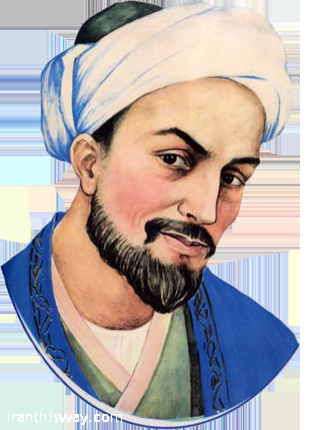
Born in Shiraz in 1194 CE, Sa’di Shirazi, is known as a Sufi master, mystic and metaphysicist in the history of Persian literature. He was conferred the title ‘Master of Prose and Poetry’ in view of his proficiency in Persian literature, IRNA wrote.
Sa’di is best-known for his ‘Bustan’ (The Orchard) and ‘Golestan’ (The Rose Garden) which present a peculiar blend of human kindness and cynicism, humor, and resignation in the form of stories and personal anecdotes.
The poet is also known worldwide for one of his aphorisms, ‘Human beings are members of a whole — in creation of one essence and soul’ which adorns the entrance to the Hall of Nations of the United Nations building in New York.